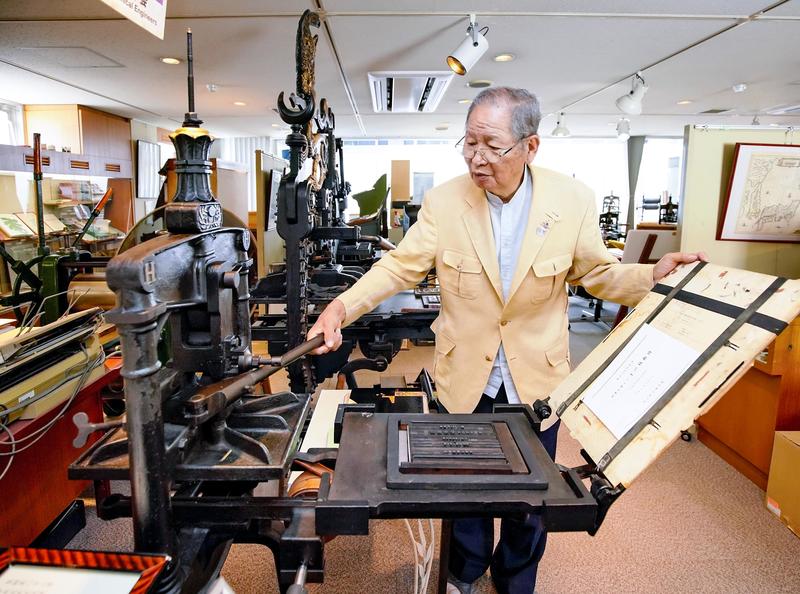
The Irifune area of Chuo Ward, Tokyo, has been a flourishing center of the printing and bookbinding industries since the Meiji era (1868-1912), and you will find the Mizuno Printing Museum on the sixth floor of an office building.
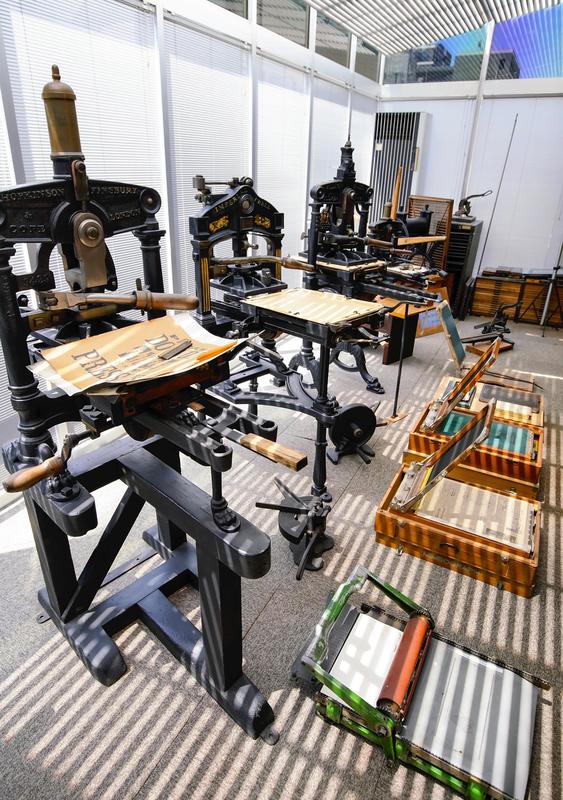
I was fascinated by the various shapes of the black, shiny letterpress printing machines I encountered, and the exhibition room is filled with the smell of ink.
The museum possesses several thousand items, including historical prints and machines, which were all collected by director Masao Mizuno, 80.
"I'm counting them, but I don't know exactly how many there are," he said with a smile.
Mizuno is the second-generation owner of the printing company Mizuno Pritech Co. He was first inspired to collect printing-related items in 1962, while he was in Germany to study printing engineering.
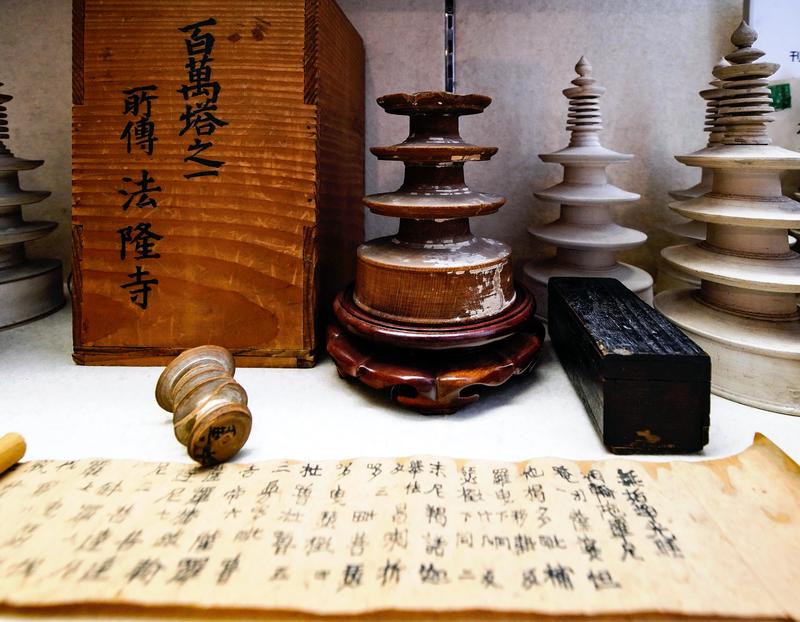
At a museum in Germany, he encountered a scroll that contained a Buddhist sutra called the Hyakumanto (One Million Pagoda) Dharani. The scroll was published in 770, and is said to be the oldest surviving printed material in the world.
"Although I was the successor to a printing company, I didn't know that this item printed in Japan was the oldest in the world. I still remember my excitement at the time," Mizuno said.
As a person involved in printing, he began collecting items in earnest after he returned to Japan to learn about history.
The museum has a wide variety of items from many different time periods and countries, including papyrus documents from ancient Egypt, a cuneiform clay tablet believed to have been made around 1995 B.C. and a first edition of "An Encouragement of Learning" by Yukichi Fukuzawa.
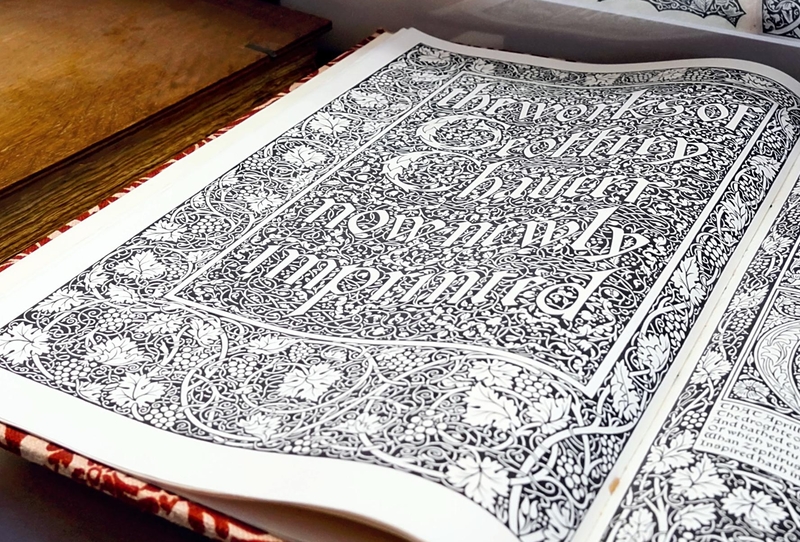
The museum also has a copy of "The Works of Geoffrey Chaucer" created by English decorative artist William Morris, a book that is said to be one of the three most beautiful in the world.
The letterpress printing machines manufactured by Tokyo Tsukiji Kappan Seizosho in the Meiji era were given to the museum by a printing company in Tokyo that has closed down. They have been certified as a "mechanical engineering heritage" by the Japan Society of Mechanical Engineers.
Mizuno initially kept the things he collected in his study, but decided to display them after a friend said, "By showing these items to people, then they become alive for the first time."
Inside the museum, you can see valuable reprints of part of the Gutenberg Bible and "Canterbury Tales," made using Mizuno Pritech's printing technology.
"I think printing is the greatest invention of all mankind. I want you to know how big the achievement is," Mizuno said.
-- Mizuno Printing Museum
The museum opened in 1988, when the head office building of Mizuno Pritech Co. was constructed and director Mizuno's collection was transferred there.
Among the items on exhibit are valuable materials related to printing, such as letterpress printing machines from the 19th and 20th centuries.
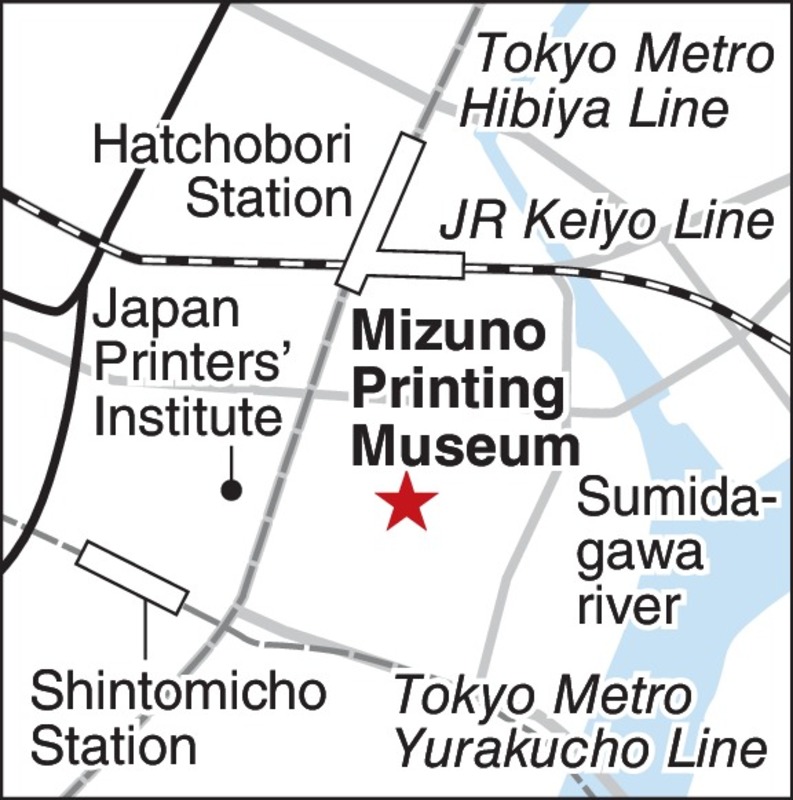
The museum is a five-minute walk from Shintomicho Station on the Yurakucho Line, or Hatchobori Station on the Hibiya Line.
Address: 2-9-2 Irifune, Chuo Ward, Tokyo
Open: 10 a.m. to 4 p.m. Closed on Saturdays, Sundays, national holidays and during the year-end and New Year period. (Reservations by phone needed)
Admission: Free
Information: (03) 3551-7595
Read more from The Japan News at https://japannews.yomiuri.co.jp/