MUMBAI: Torrential rain in July saw a host of monsoon-related ailments like malaria, leptospirosis, gastroenteritis, dengue and influenza H1N1 register a spurt, compared to June.
Malaria cases jumped from 357 in June to 557 in July. Many hospitals in the city marked a jump in hospitalisation due to malaria and dengue in the past month. Wards like E (Byculla, Mazgaon), G south (Prabhadevi) and pockets in western suburbs that have been hotspots reported most cases. Civic officials said accumulation of rain water at Metro construction sites contributed to increased breeding.
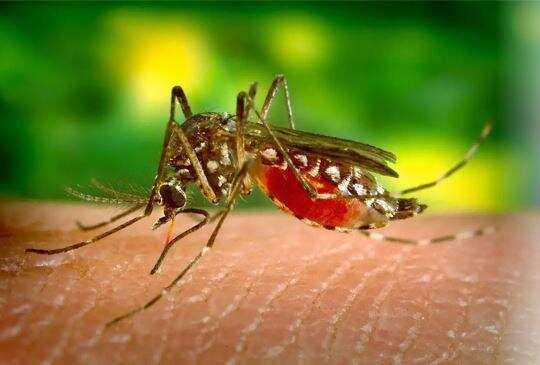
Dengue, caused by aedes aegypti mosquitoes, saw confirmed cases rise from 12 in June to 28 in July. But the city typically sees a higher incidence in August-September. “Citizens should watch for symptoms such as sudden onset of high fever, severe headache, muscle and joint pains and retro orbital pain or pain on eye movements, abdominal pain and skin rash,” said Dr Mangala Gomare, BMC’s executive health officer, adding that people should consult a doctor quickly if the symptoms appear.
Around 21 cases of influenza H1N1, previously called swine flu, were detected in July. In June, six cases of the viral disease were detected. Last July, when the city started dealing with the pandemic, there was no case of H1N1. Doctors believe few patients were recommended for H1N1 test as all services were catering to testing and tracking Covid cases.
Gastroenteritis too saw a jump, as 294 cases were recorded in July, up from 180 in June. The enteric disease that had traditionally filled up wards in city hospitals had all but disappeared from Mumbai last July, when only 56 cases were reported. In a non-pandemic year like 2019, the city had 994 cases. A civic official said the lockdown was more stringent last July, when no street food stalls operated.
The only monsoon disease to have claimed a life this year is leptospirosis. BMC said one person succumbed to the bacterial disease. Cases rose to 31 in July, from 15 in June. Wading through water-logged areas makes one vulnerable to this infection.