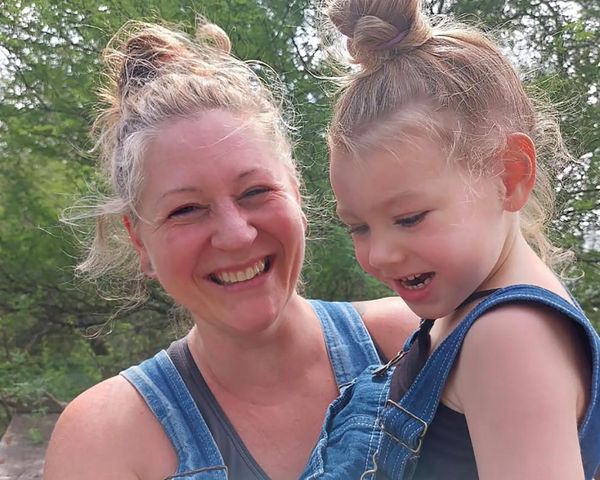
The mum of a toddler with an ultra-rare genetic condition says it's so uncommon doctors haven't heard of it.
Sabrina Rose Sager, two, has Pura Syndrome, a rare condition which affects just eight children in the UK and around 400 in the entire world.
People are more likely to win the lottery than to be diagnosed with the condition, Hull Live reports.
The toddler, who lives in Bransholme with mum Emily Broxham and dad Adam Sager, has just a 50 per cent chance of ever being able to walk, even with assistance.
Emily, 28, shared her heartbreak at the tragic features of the condition.
She told Hull Live: "Knowing my daughter might not ever be able to say ‘mummy’ breaks my heart."
Sabrina Rose also has Type 1 diabetes, epilepsy and sleep apnoea, which causes her to sometimes stop breathing, all of which are linked to Pura.
Emily, a bus driver for East Yorkshire, said: "The doctors just ask about it and don’t even know what it is.
"It shouldn’t be me telling qualified doctors what this condition is."
Because Pura is so rare, there are currently no charities in the UK funding research into it, although some is now taking place in the US.
Many children in the States who have the condition have sadly died before the age of five.
Emily and Adam, 29, noticed something wasn't right straight after Sabrina Rose's birth when she was born floppy and wouldn't feed.
"By six months she couldn’t babble - it was like she was still a newborn," said Emily.
"Her legs were so skinny so we had to get physio involved, but because by this time we were in lockdown the appointments had to be over the phone which was really frustrating."
The parents pushed for genetics testing after scans on Sabrina Rose's brain all came up clear, before she was eventually diagnosed with Pura in May this year.
Since then, Emily has had her second baby girl, Aurora Lily, who has less than a 1% chance of having the condition. So far, the infant appears to show no symptoms of sharing the condition with her sister.
The new mum has been knitting stuffed penguins and giving them to family and friends as a way to get people talking about the condition in the hopes of spreading awareness.
"It's like starting from scratch as there's no charity in the UK to donate to," she added.
"So all we can do right now is get people talking and spreading the word."