Last week, Parliament passed the Micro, Small and Medium Enterprises Development (Amendment) Bill, 2026, nearly 20 years after the enactment of the MSMED Act.
The Bill seeks to strengthen the legal framework governing MSMEs, improve ease of doing business, provide institutional mechanisms for sectoral development and address delayed payments faced by micro and small enterprises among many other things.
While experts have broadly welcomed the Bill, they caution that its effective implementation will decide whether the reform delivers meaningful benefits to the country’s smaller businesses.
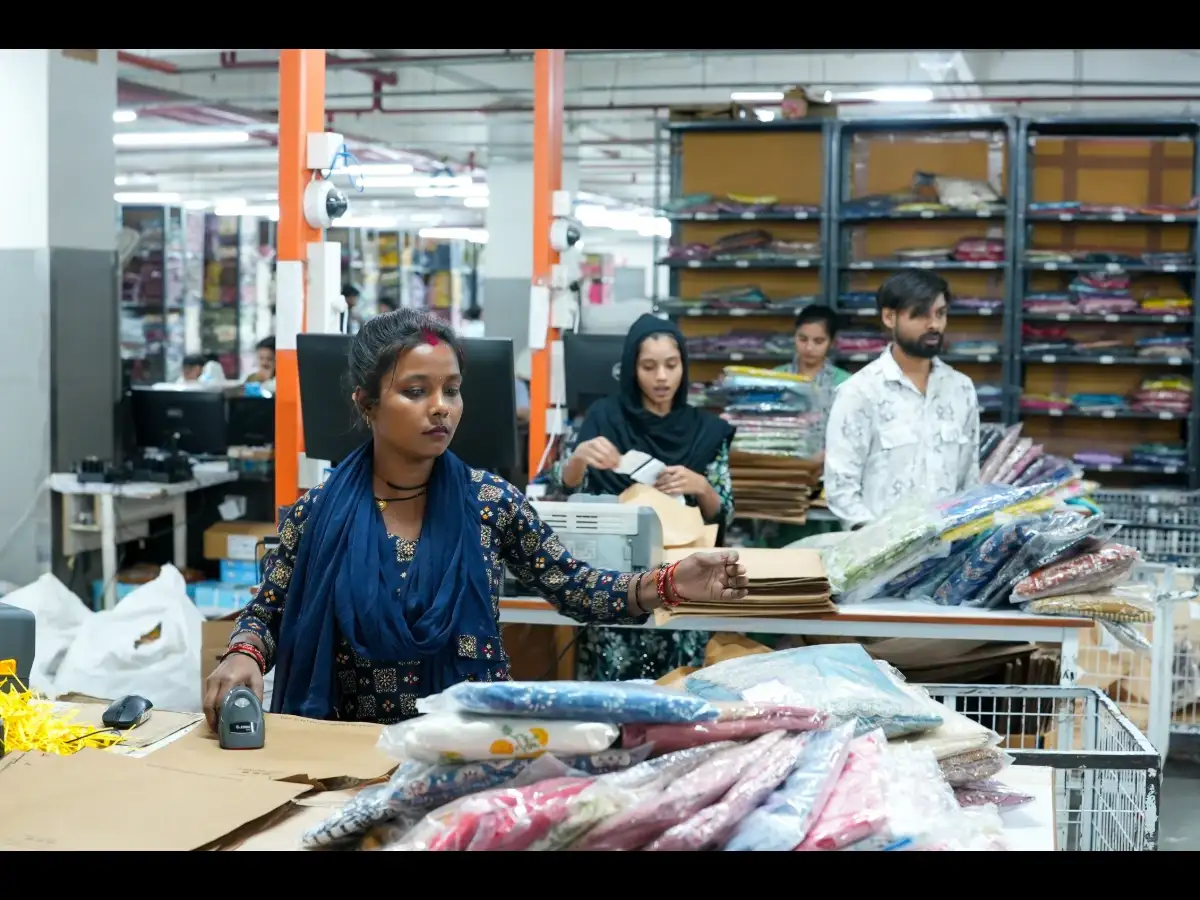
The MSME sector contributes 31.1% to the country’s gross domestic product (GDP), 35.4% to manufacturing output, and 48.58% to India’s total exports, according to the Economic Survey 2025-26. India has more than 91.6 million registered MSMEs as of August 2026, employing more than 400 million people. These numbers highlight the importance of MSMEs for the country’s economy and its growth.
Will TReDS reach the smallest MSMEs?
Trade Receivables Discounting System (TReDS) allows MSMEs and start-ups to submit invoices approved by buyers. Banks and non-banking financial companies (NBFCs) convert those invoices into cash, facilitating quicker payments and liquidity for suppliers. It has so far unlocked more than Rs 7 lakh crore in liquidity.