MPs from all parties will vote on Wednesday in a hotly contested elections to chair the Commons departmental select committees, with as many as five MPs from the same party fighting for the same roles.
In a five-year parliament with a majority government, the committees could prove to be the fulcrum of parliament’s debate about welfare cuts, human rights, the BBC licence fee, Britain’s relations with Europe, the efficacy of free schools and the fight against Islamic radicalisation.
Although they still do not rank alongside US House committees in terms of prestige, resources or impact, an effective select committee chair is now arguably more powerful than a shadow cabinet member or even a junior departmental minister.
In recent years, the Treasury select committee’s banking commission has changed Britain’s financial services industry. The home affairs committee has shed light on the many dark corners of the Home Office.
Once the preserve of the patronage of party whips, the modern committee chair is now elected by all fellow MPs and the key for a successful candidacy is an ability to appeal across party lines. A total of 27 of 35 committee chairs are up for election, of which the Tories will take 14, Labour 11 and the SNP two.
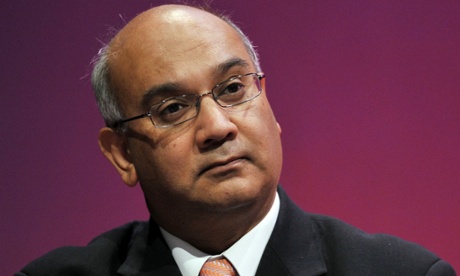
Of the 11 incumbent chairs standing again, eight will be re-elected unopposed. The three facing challenges are Keith Vaz on home affairs, Sarah Wollaston on health and Adrian Bailey on business.
The four most contested committees, with five candidates each, are science and technology, justice, foreign affairs and culture, media and sport.
Among the Tory candidates for culture are Jesse Norman, biographer of Edmund Burke, trumpeter and skilled inquisitor on the Treasury select committee; Damian Green, the former Home Office minister; Graham Stuart, former chair of the education select committee; and Damian Collins, an existing culture committee member.
The foreign affairs select committee, something of a backwater in the last parliament, has five candidates: Crispin Blunt, a former justice minister; John Baron a former soldier; Richard Graham, a former diplomat and multilinguist; Daniel Kawczynski; and Nadhim Zahawi, a strong media performer, entrepreneur and son of two Kurdish parents.
Three Tories are standing to chair the defence select committee, likely to be a hotseat given probable cuts to defence: Richard Benyon, a former environment minister; Julian Lewis, an acknowledged defence specialist; and Bob Stewart, a former soldier in Bosnia and Northern Ireland.
Three more are contesting the education select committee: Neil Carmichael, an established member of the committee; Tim Loughton, a former education minister and expert on adoption; and Caroline Nokes, one of the few women standing for a chairship.
The current health chair, Sarah Wollaston, a former doctor, and is being challenged by David Tredinnick, but she should get home on the basis that she has Labour support.
On the Labour side there is an intriguing battle between Vaz, a politician with a knack for securing the right witness at the right time, and Fiona Mactaggart, a former Home Office minster who would like a more collegiate approach on home affairs.
The justice select committee has five contestants, reflecting the controversy that surrounds any department run by Michael Gove. As lord chancellor, Gove’s remit includes human rights law, the consequences of legal aid cuts, and prison reform, an area of increasing interest to the Tories.
The public accounts committee, previously chaired by David Davis for the Tories and then Margaret Hodge for Labour, is seen as the premier select committee for an opposition MP, and four Labour MPs want the job: Helen Goodman, a former Treasury civil servant; Meg Hillier and David Hanson, both former Home Office ministers; and Gisela Stuart, a former health minister with Eurosceptic views that will appeal to Tories.
Work and pensions will be another critical committee as ministers face scrutiny over welfare cuts, the introduction of universal credit, pension reform and the way the benefit sanctions regime operates. The contest is likely to be between Frank Field and Kate Green.
Five committees will see a change in party affiliation: international development, justice, Scottish affairs, energy and climate change and science and technology.