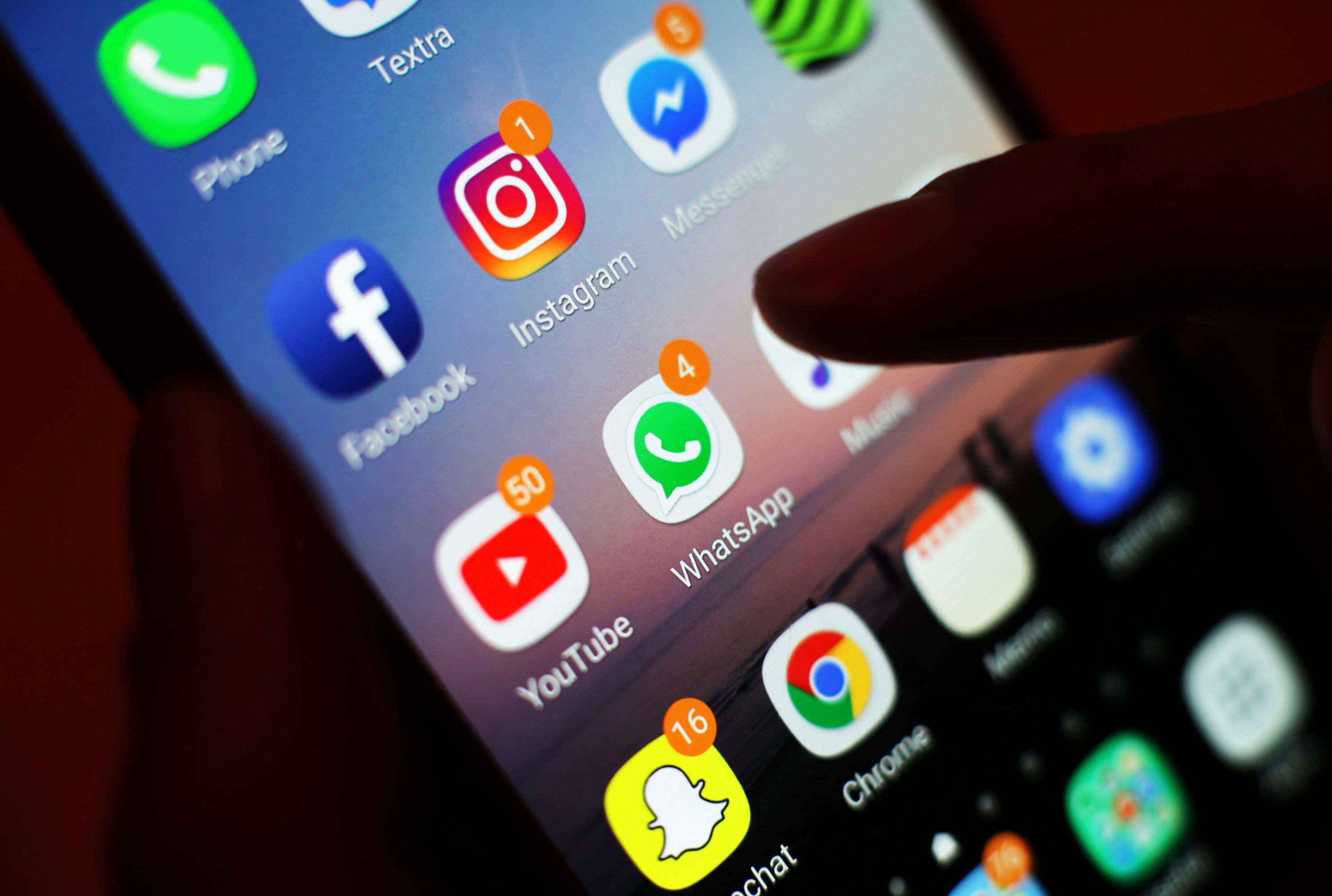
MPs have for a second time rejected calls for a default ban on children accessing social media, instead backing the government's more flexible approach.
The vote, 256 to 150 with a majority of 106, saw the House of Commons side with the government's plan to tackle social media-linked harms affecting young people.
This decision comes as part of the Children’s Wellbeing and Schools Bill, under which ministers will gain adaptable powers to curb children’s social media use.
These powers could include implementing curfews, setting scrolling limits, and restricting location sharing.
The government may also gain the authority to block under-16s from specified platforms. A public consultation, closing next month, is currently underway to help ministers determine precise actions.
The rejected default ban was originally proposed by Conservative peer Lord Nash, who advocated for a blanket prohibition on harmful social media for children, with a 12-month implementation window.
Peers initially agreed to this, but MPs in the Commons, where the government holds a majority, voted last month to reject it in favour of the flexible power, prompting the Lords to insist on the default ban again.
But as part of the process to agree on the final wording of the Bill, sometimes known as ping pong, MPs have again agreed to back the Government’s position.
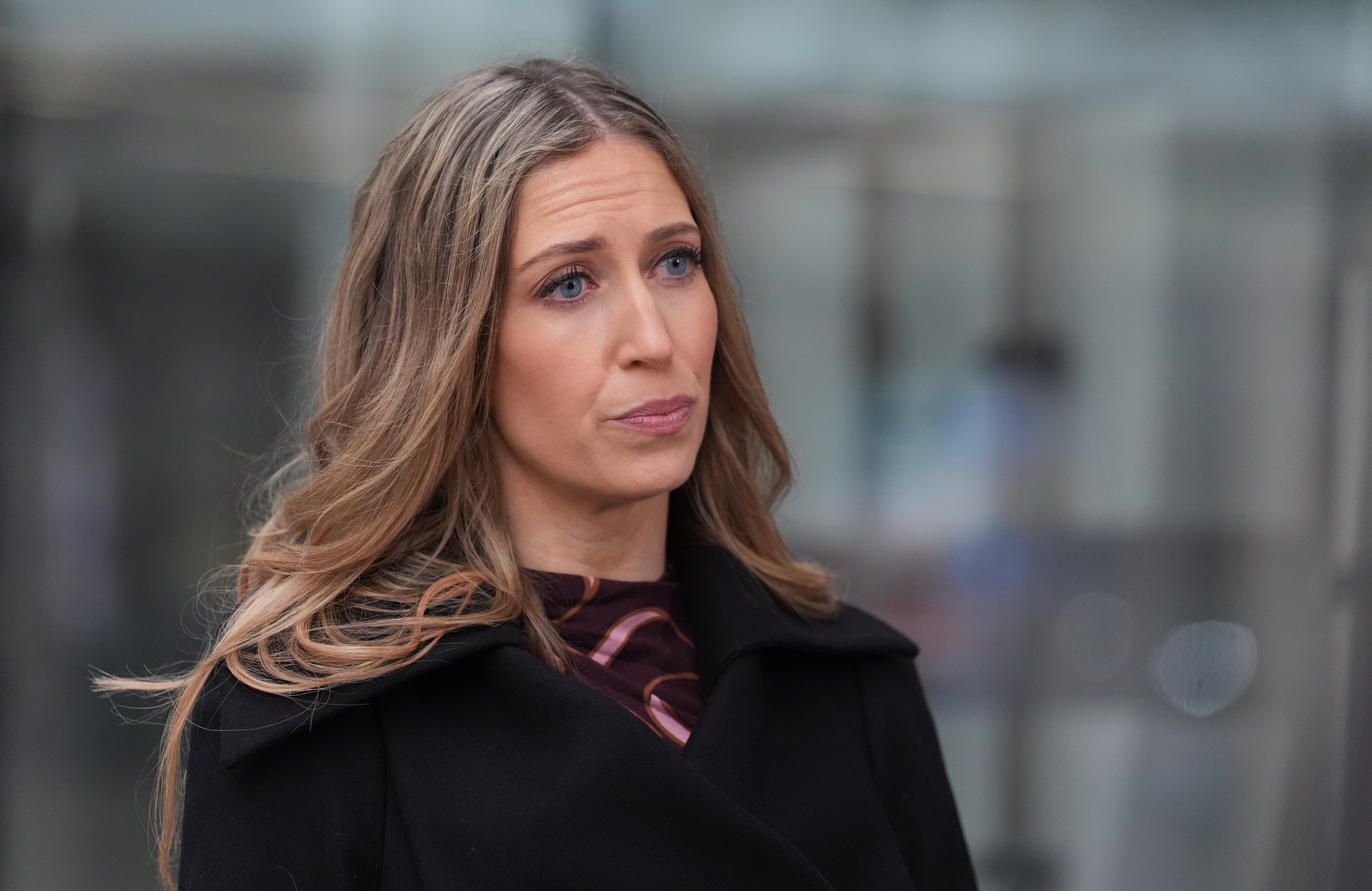
Education minister Olivia Bailey told the Commons: “Instead of the narrow amendment proposed in the House of Lords, our consultation allows us to address a much wider range of services and features.”
She promised the Government would not pursue “endless rounds of consultation”.
Conservative shadow education secretary Laura Trott said: “I will keep fighting until the Government offers a ban on social media on the face of the Bill.”
Describing harms thought to be linked to social media, Ms Trott told MPs that “when young girls post dance videos, they learn that the way that they get approval is not internally but externally”.
She continued: “Children quickly learn that likes equal approval, they learn that attention brings status, and too often, they discover that sexualised content attracts them the most attention of all.
“This reshapes how young people see themselves and their value. If children spend significant time on social media, especially from a young age, posting dance videos, they begin to depend too heavily on the opinions of others rather than their own judgment.”
Ms Trott warned that some children had died likely as a result of taking on dangerous social media trends, such as blackout challenges, which can involve choking.
Munira Wilson, the Liberal Democrats’ education spokeswoman, warned that ministers could choose not to act at all.
The Government’s proposed wording in the Bill “only says they may make provisions to tackle these issues, not that they will”, she told MPs.
Labour MPs urged the Government to move quickly once ministers gained the new powers.
“I support the Government’s ambition to act,” John Whitby said.
The Labour MP for Derbyshire Dales added: “We need to get on with it.
“I urge everyone to complete the consultation and I urge the Government to act with haste following the consultation’s closure on May 26.”
Peter Prinsley, Labour MP for Bury St Edmunds and Stowmarket, said he supported the Government’s position.
“But I think the House should take seriously, very seriously, what the Lords have asked us to consider,” he said.
“If the Government is not minded to accept the amendment as it stands, then I believe there’s a strong case for bringing forward its own proposal that achieves the same outcome clearly and in a timely fashion because, ultimately, this is about setting the right boundaries for children in a digital world that is evolving very quickly.
“And on that there is a clear expectation inside and outside this House that we must act.”
The Lords must again consider the Commons’ position before the Bill becomes law, and peers could continue the stand-off between the two Houses.
Lord Nash said he had “every intention of once again telling the Government that our position is unchanged”.
He said: “The Government’s approach is to sit and wait, to let the harms mount up and come forward with a statement in six months’ time.
“How can that amount to effective action in the face of daily changing technology?
“It would be such a small step for the Government to now propose delaying the age for access to harmful social media to 16 and then the consultation can be about how to do this and also the very important area of AI chatbots and companions and VPNs and the other matters that it covers.”
On Wednesday, MPs also voted by 254 to 144, majority 110, to reject a review of a proposed limit on branded school uniform items within 12 months.
A bid to ban smartphones during the school day was blocked by 248 votes to 139, majority 109, but school leaders in England face a new duty to consider Government guidance on mobile phone use in education settings.
Jimmy Kimmel delivers epic punch to Vance who claimed Trump’s Jesus post was a joke
Covid inquiry to publish report on vaccines and treatments
Government urged to act on ultra-processed food adverts over child health fears
‘Social media companies must step up’ on child safety, Starmer says
PM summons TikTok, Meta, X bosses to No 10 to push for children’s online safety
Keir Starmer spends almost £30,000 of taxpayer money to refurbish Downing Street flat