BEIRA, Mozambique (Reuters) - Dozens of fragile patients poured into a clinic in the wrecked Mozambican port city of Beira on Wednesday, as the government said it had confirmed the first five cases of cholera in the wake of deadly Cyclone Idai.
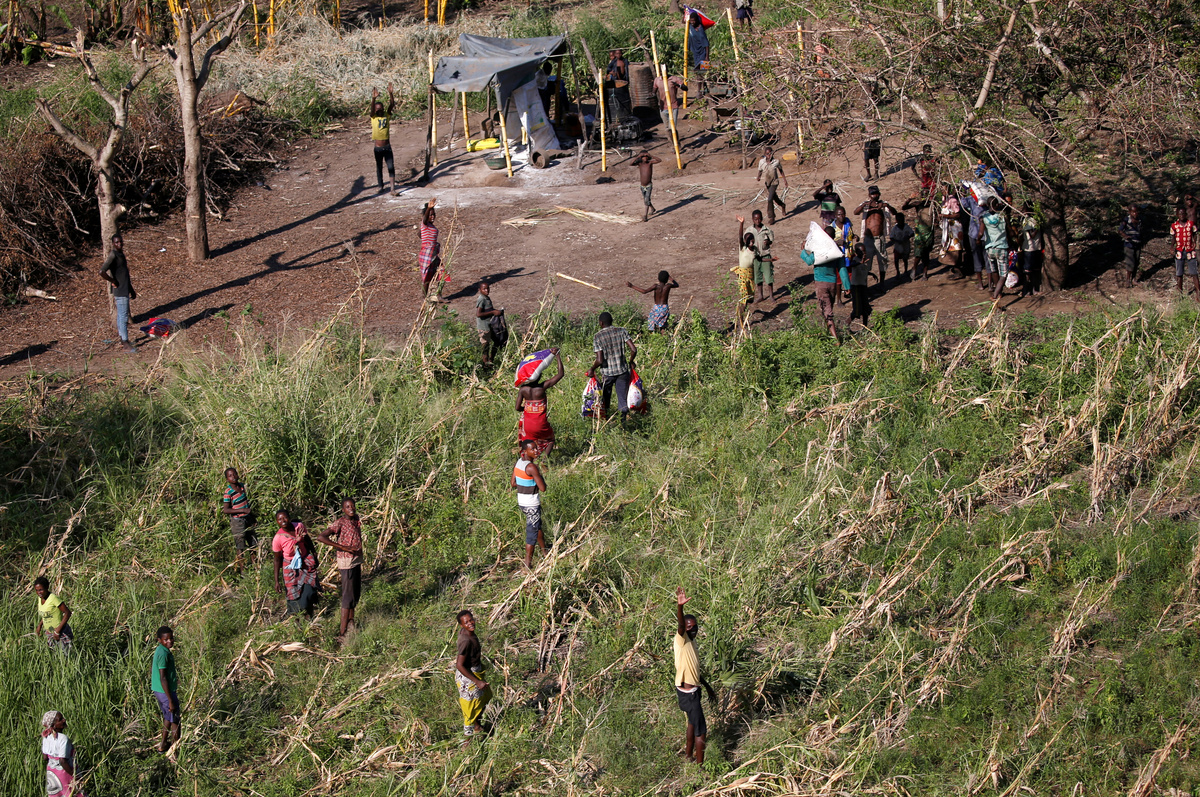
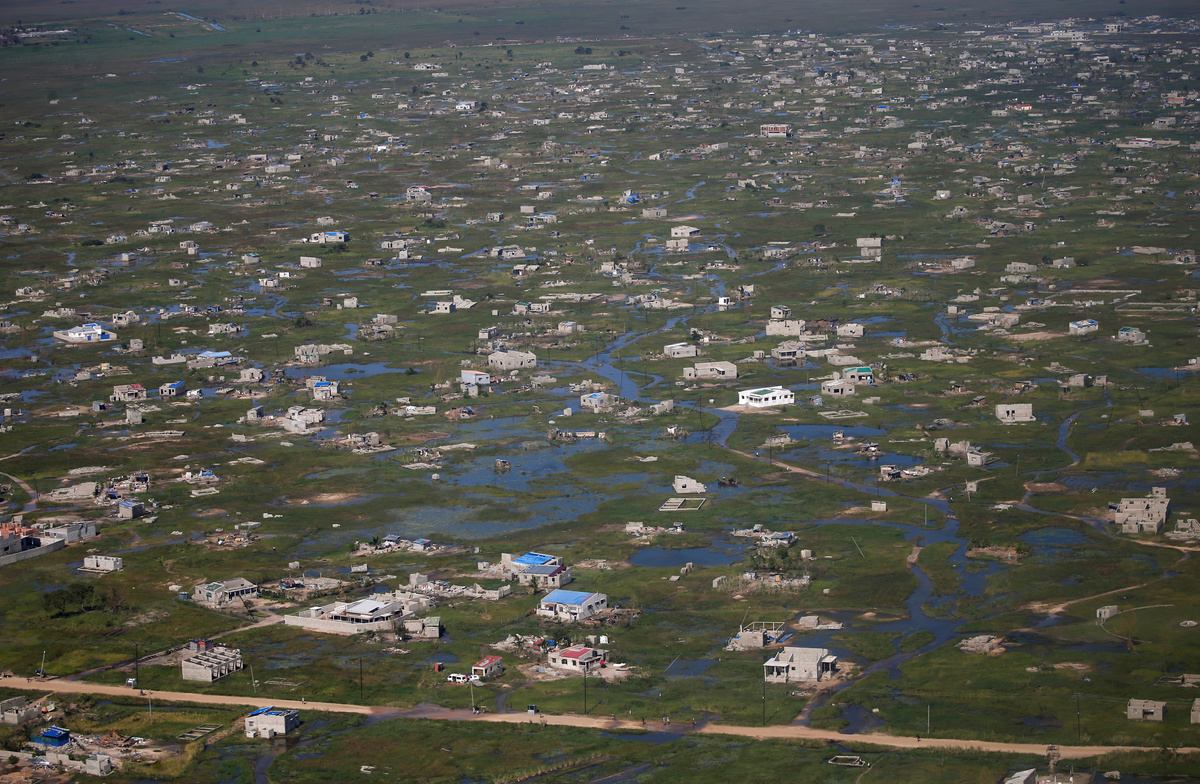
Thousands of people were trapped for more than a week in submerged villages without access to clean water after the cyclone smashed into Mozambique on March 14, causing catastrophic flooding. Relief efforts have increasingly focused on containing outbreaks of waterborne and infectious diseases.
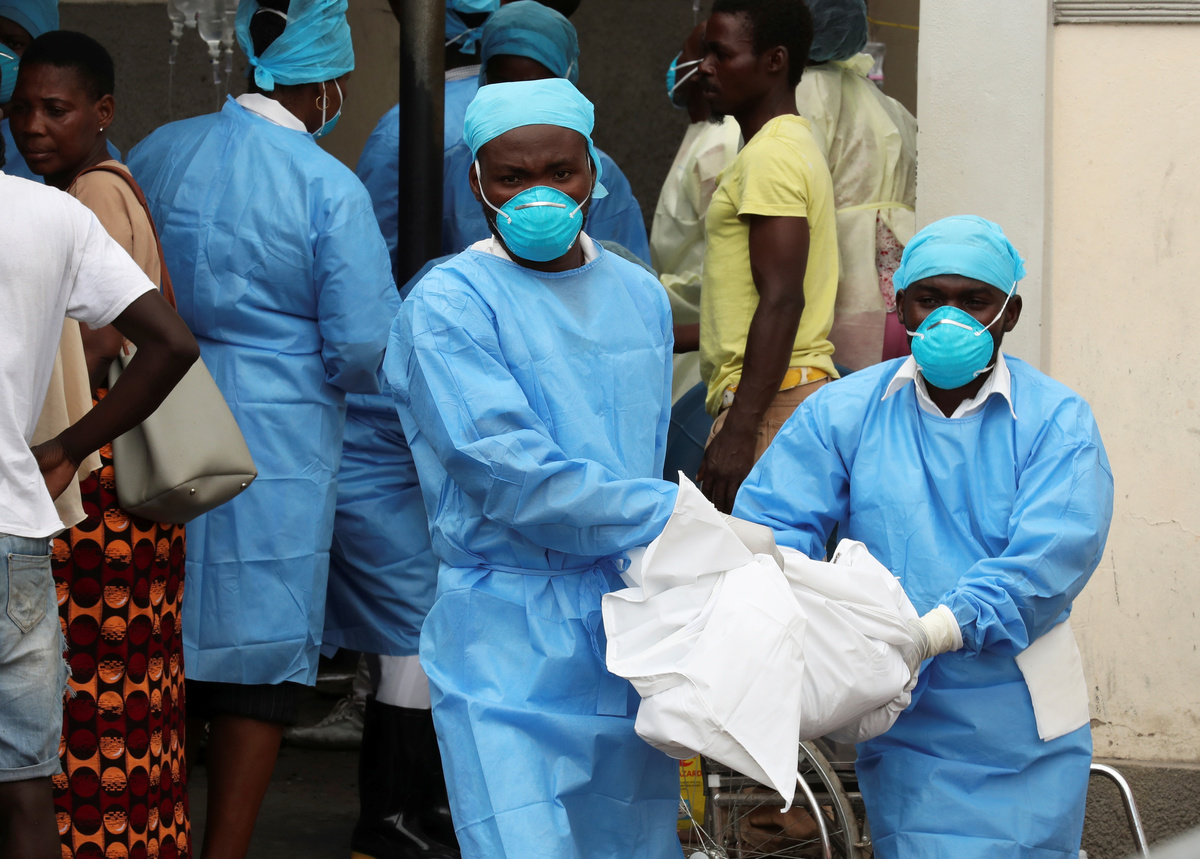
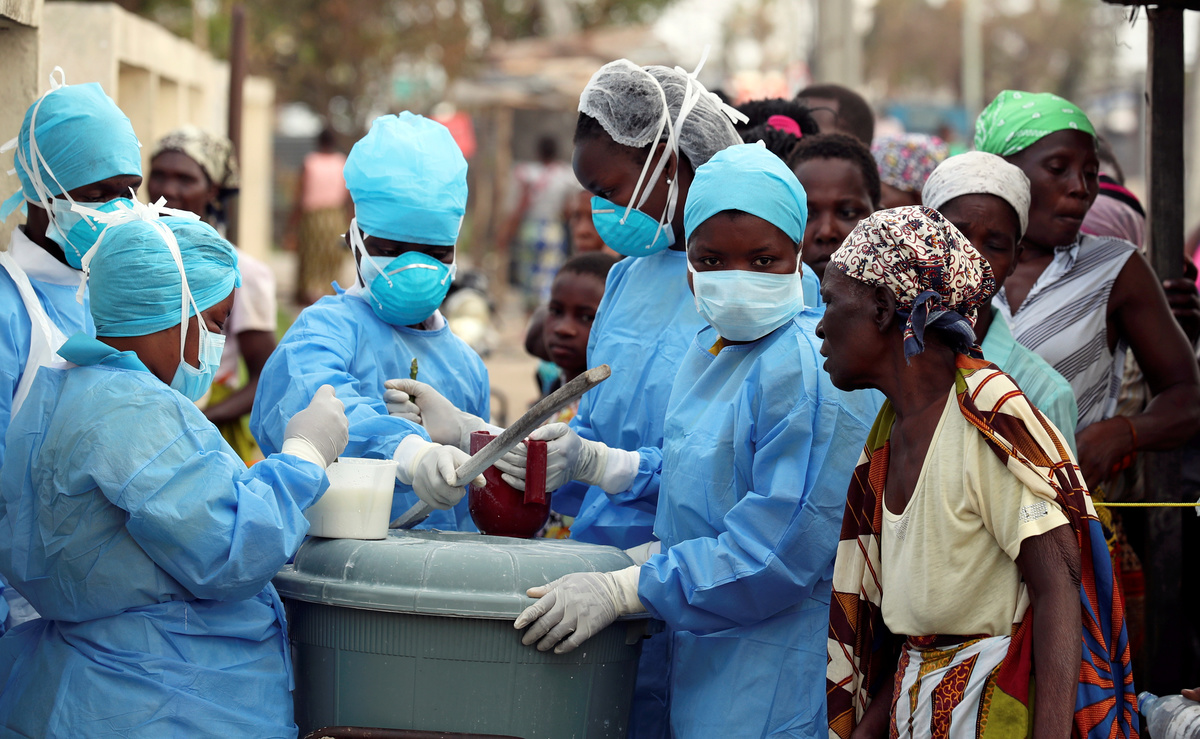
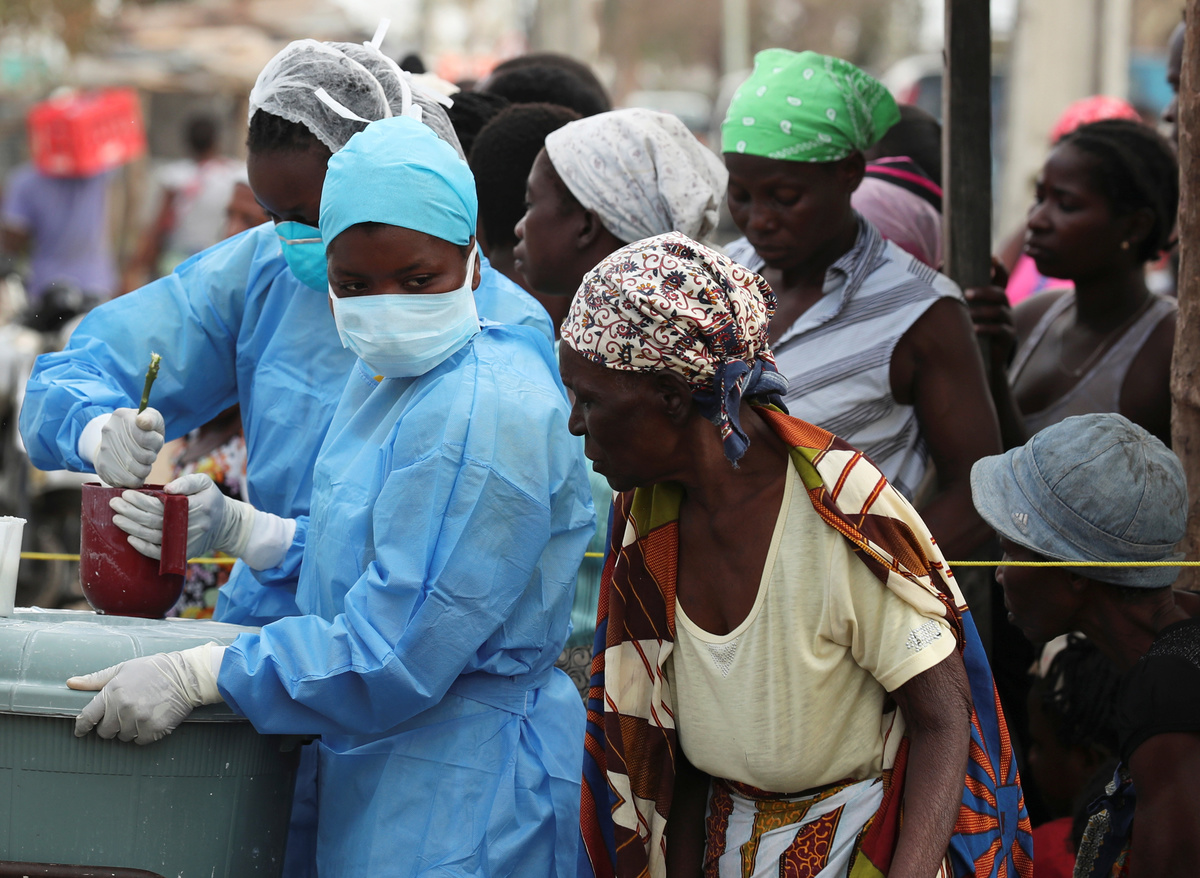
In Munhava in central Beira, doctors and nurses at a newly set up treatment center said they are treating around 140 patients a day for diarrhea. Many of the patients arrive too weak to walk.
A Reuters reporter saw two men carrying an unconscious woman from a rickshaw into the clinic, trying to cover her naked body with a sheet.
Inside, those too ill to sit lay on concrete benches attached to intravenous drips. Mothers were perched on plastic chairs in the courtyard, trying to get their children to drink rehydration salts from green cups.
"He won't take it," said Marisa Salgado, 22, holding her boy, aged 1-1/2, who stared with glazed eyes.
It was the second time she had been to the clinic this week, Salgado said. Her child's diarrhea returned as soon as she got home, despite the chlorine solution nurses gave her to purify their water.
"I'm scared. I don't know what to do," she said.
Cholera is endemic to Mozambique, which has had regular outbreaks over the past five years. About 2,000 people were infected in the last outbreak, which ended in February 2018, according to the World Health Organisation (WHO).
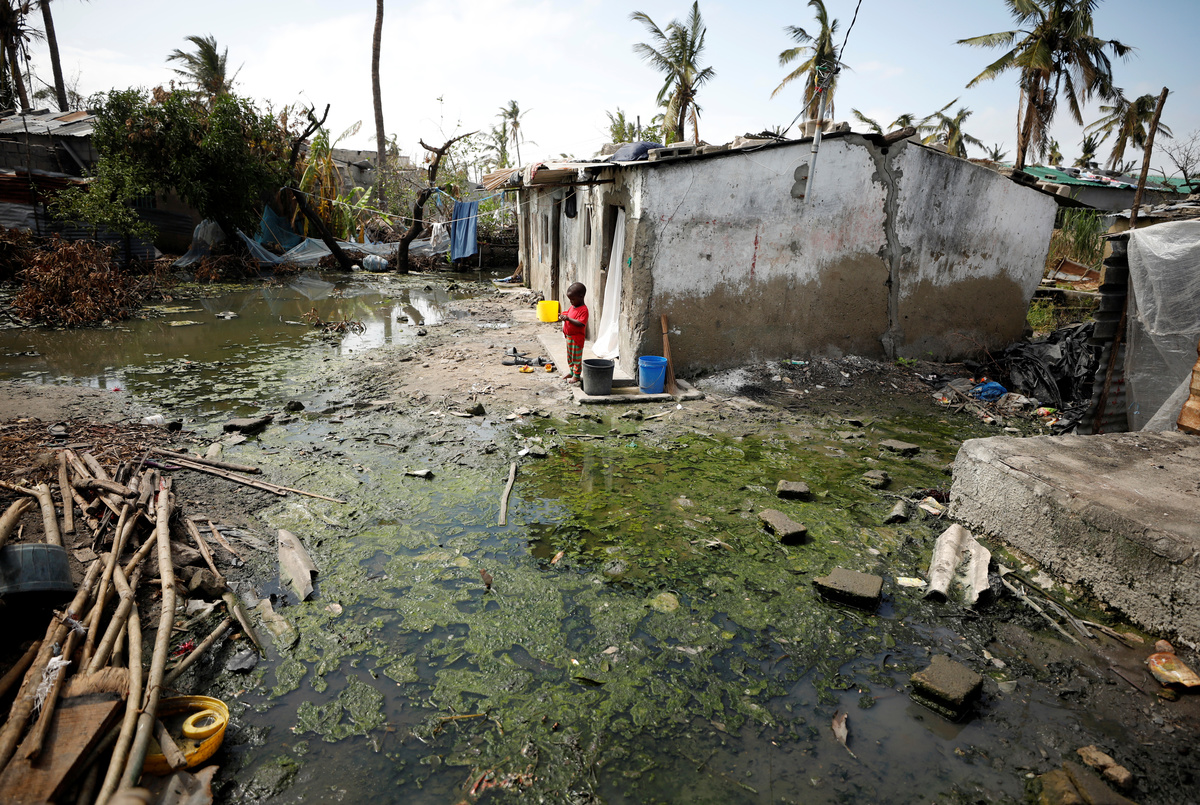
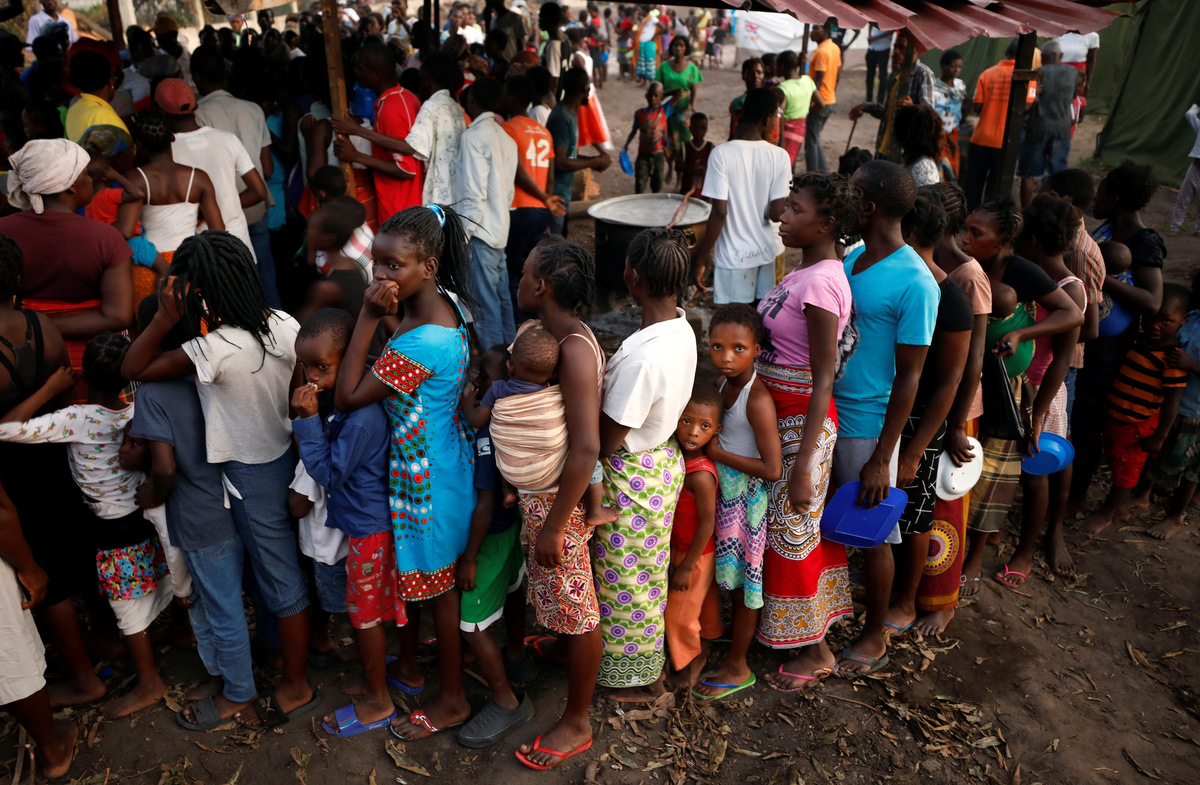
But the scale of the damage to Beira's water and sanitation infrastructure coupled with its dense population have raised fears that an epidemic now would be difficult to put down.
Ussene Isse, national director of medical assistance at the Health Ministry, said he expected cholera to spread beyond the five cases confirmed as of Wednesday morning.
"When you have one case, you have to expect more cases in the community," he told reporters. Health workers are battling 2,700 cases of acute diarrhea, which could be a symptom of cholera, Isse added.
Health workers apply the same treatment for acute diarrhea or cholera, with severe cases requiring rapid rehydration through intravenous fluids.
Such diseases are another threat in the aftermath of Idai, which tore through Mozambique and into neighboring Zimbabwe and Malawi, killing more than 700 people and displacing hundreds of thousands of others.
Cholera is spread by faeces in sewage-contaminated water or food, and outbreaks can develop quickly in a humanitarian crisis where sanitation systems are disrupted. It can kill within hours if left untreated.
GRAPHIC: Cyclone Idai’s destructive path - https://tmsnrt.rs/2HxKqdk
CHILDREN DYING
Lin Lovue, 27, said he had rushed his son to the clinic late on Tuesday after a day of diarrhea. Within an hour of getting there, the child died.
"The biggest challenge is organization," said a coordinator at the clinic who did not want to be named. "The health system was completely broken after the storm and we have to re-establish capacity fast."
Medical charity Medecins Sans Frontieres (MSF), which runs the emergency center at Munhava, has set up two others in Beira and is providing consultations via mobile clinics in several neighborhoods.
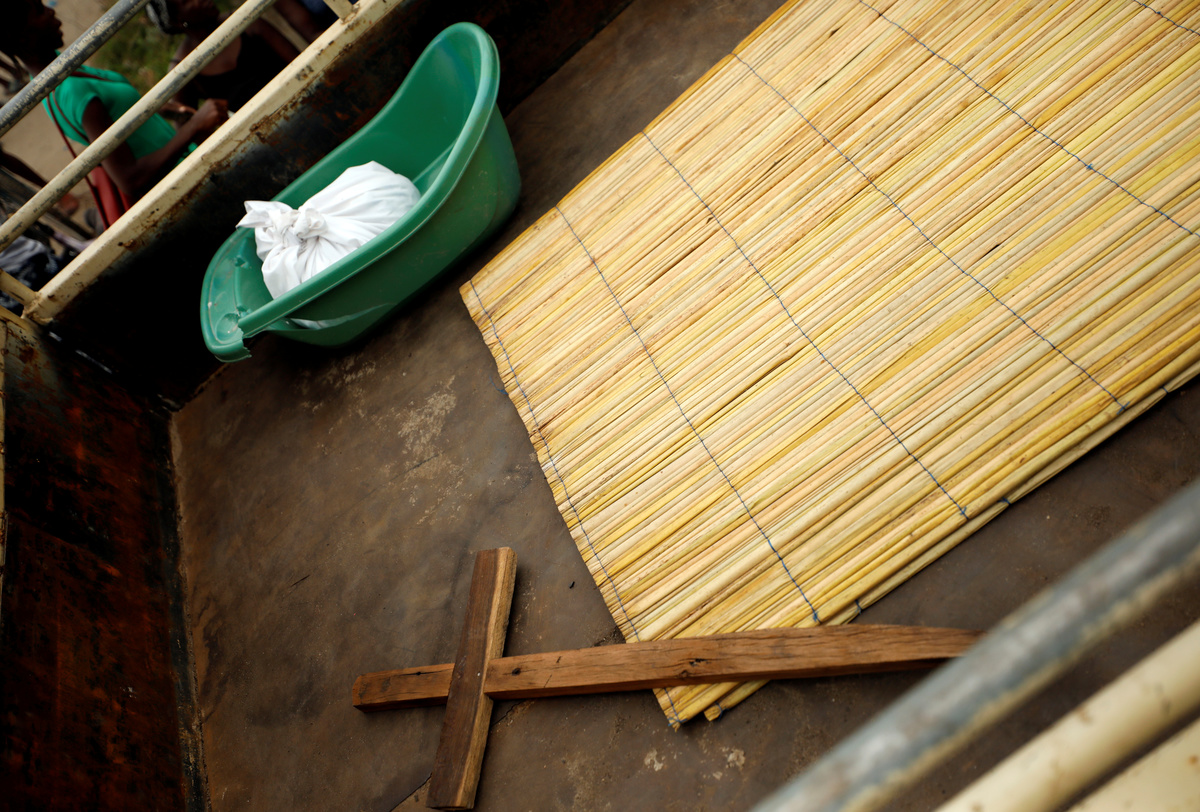
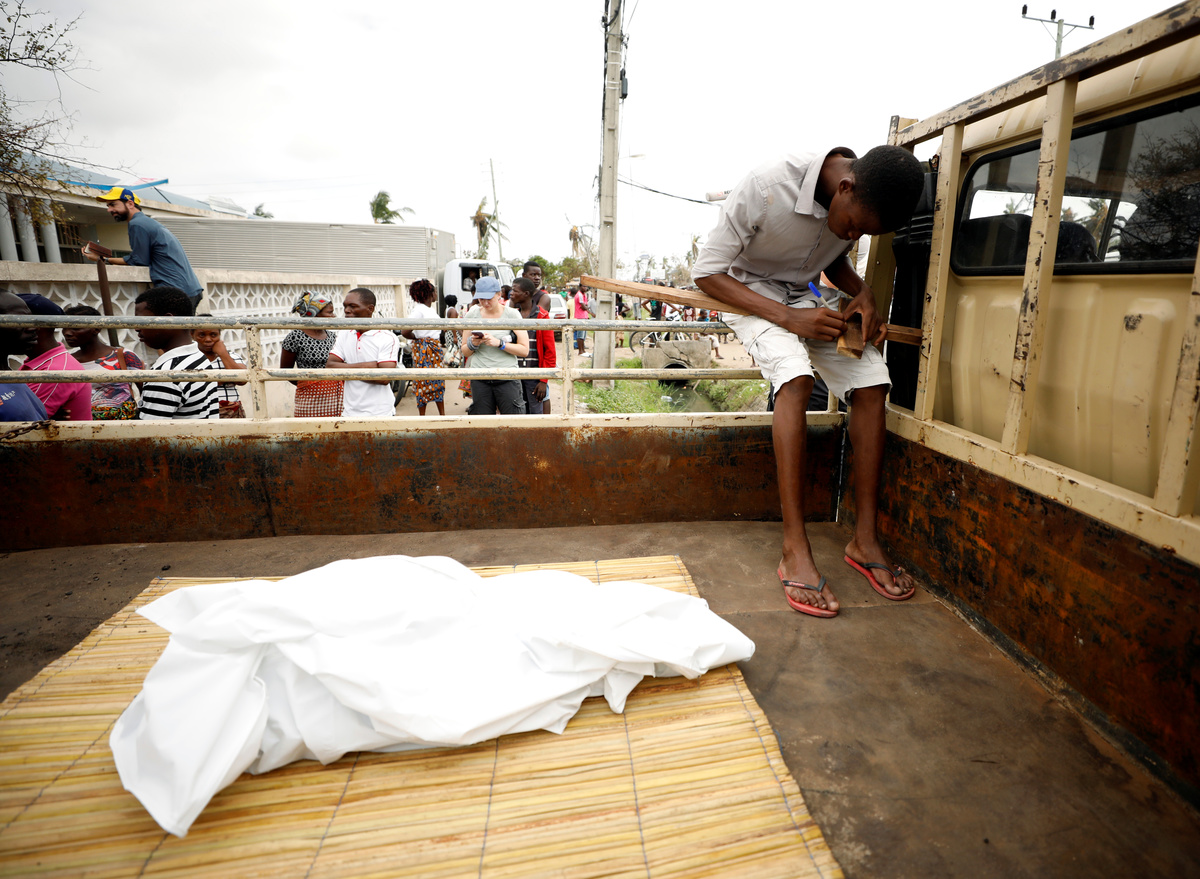
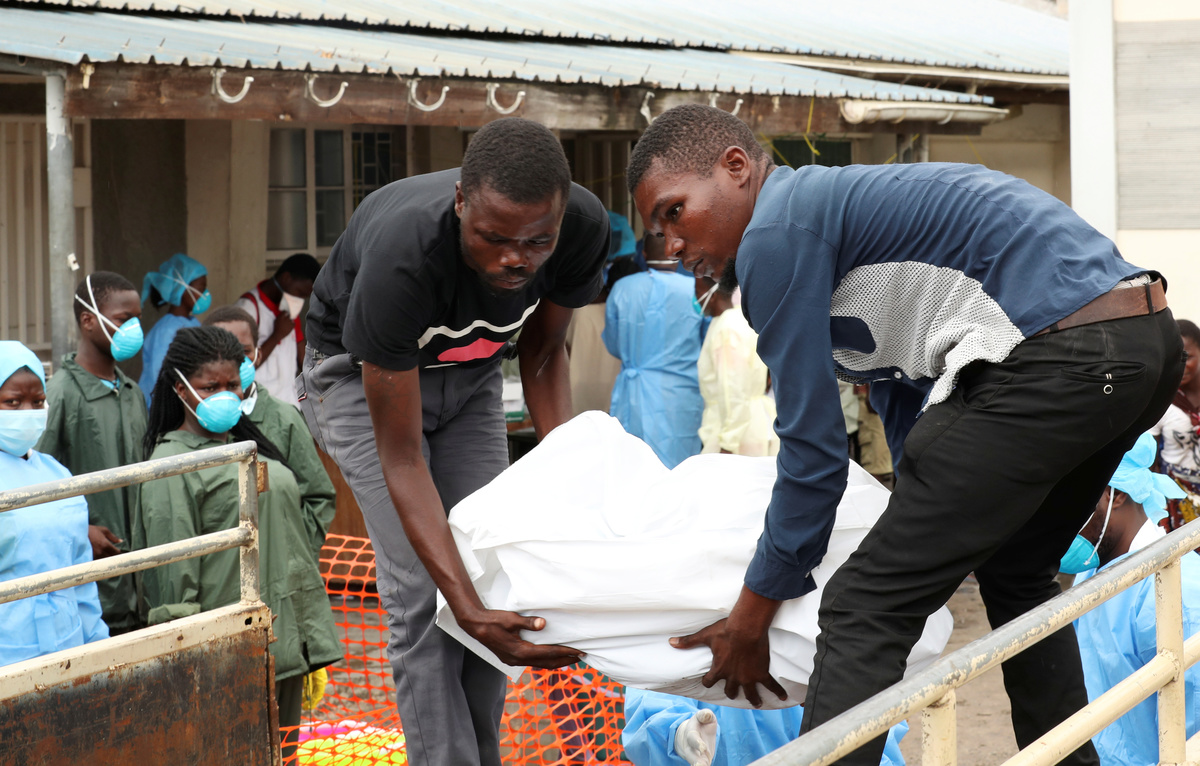
Outside the clinic, two medics dressed in blue overalls lifted the body of a 1-year-old child wrapped in a white bag on to the back of an open-top truck. The father laid his child down on a bamboo mat as someone wrote the baby's name on a wooden cross.
The WHO is sending 900,000 doses of oral cholera vaccine to affected areas from a global stockpile. The shipment is expected to arrive in Mozambique later this week.
For now families, like that of Nelson Vasco, are being given a chlorine solution to purify their water. Three of Vasco's children were discharged on Wednesday after recovering from severe diarrhea.
Vasco and his wife and mother carried the frail children on their backs as they walked through the mud to reach their two-room house in Goto, a poor community in central Beira.
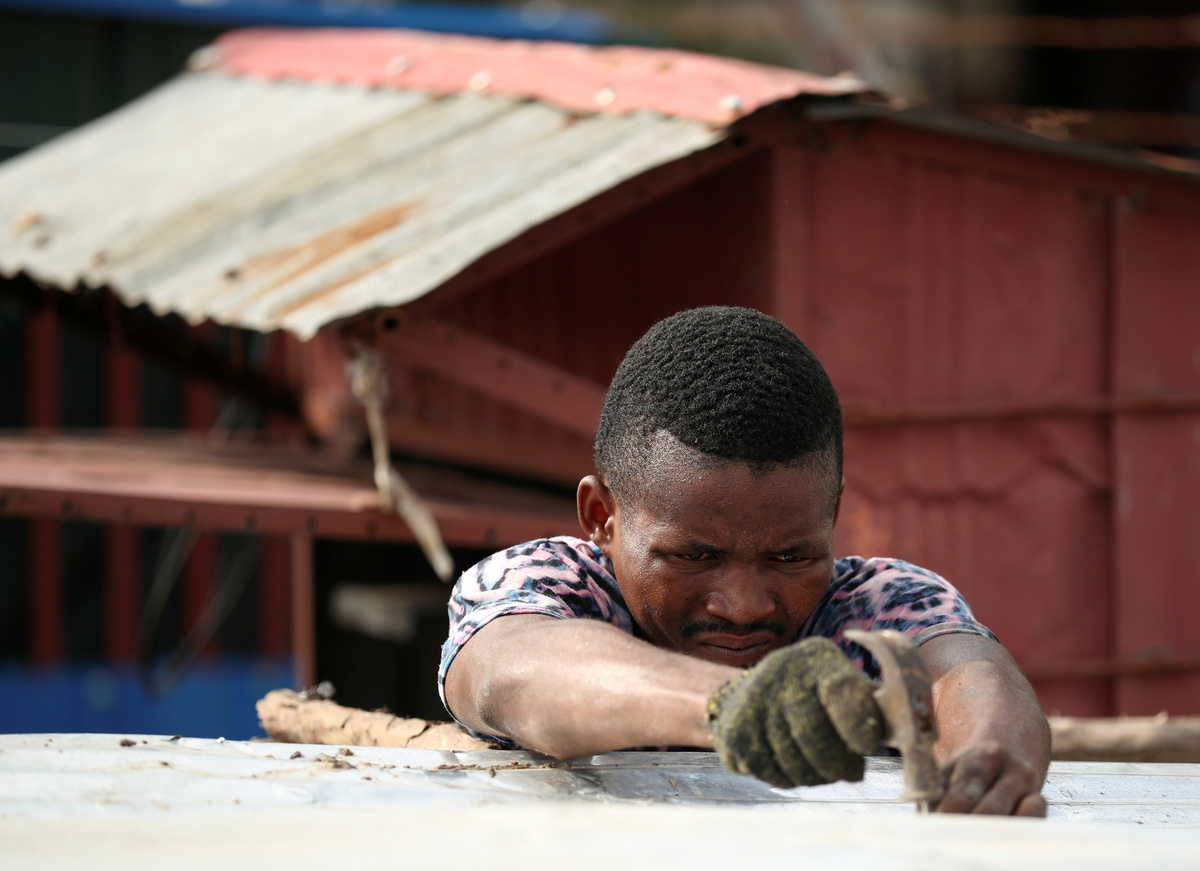
Their home lost its roof in the storm and although Vasco managed to salvage some of the metal sheeting, the rain still comes in. But the biggest danger right now is the water from the mains supply.
Like most in this community of mud-brick homes, the family do not have running water, instead buying it from a neighbor who does. But they now worry it has been contaminated.
The death toll in Mozambique from Cyclone Idai has risen to 468, Mozambican disaster management official Augusta Maita said. That takes the total number of deaths in Mozambique, Zimbabwe and Malawi to 707 people, with many more missing.
(Additional reporting by Manuel Mucari in Maputo and Stephanie Ulmer-Nebehay in Geneva; Writing by Alexander Winning and Joe Bavier; Editing by Louise Heavens, Janet Lawrence and Frances Kerry)