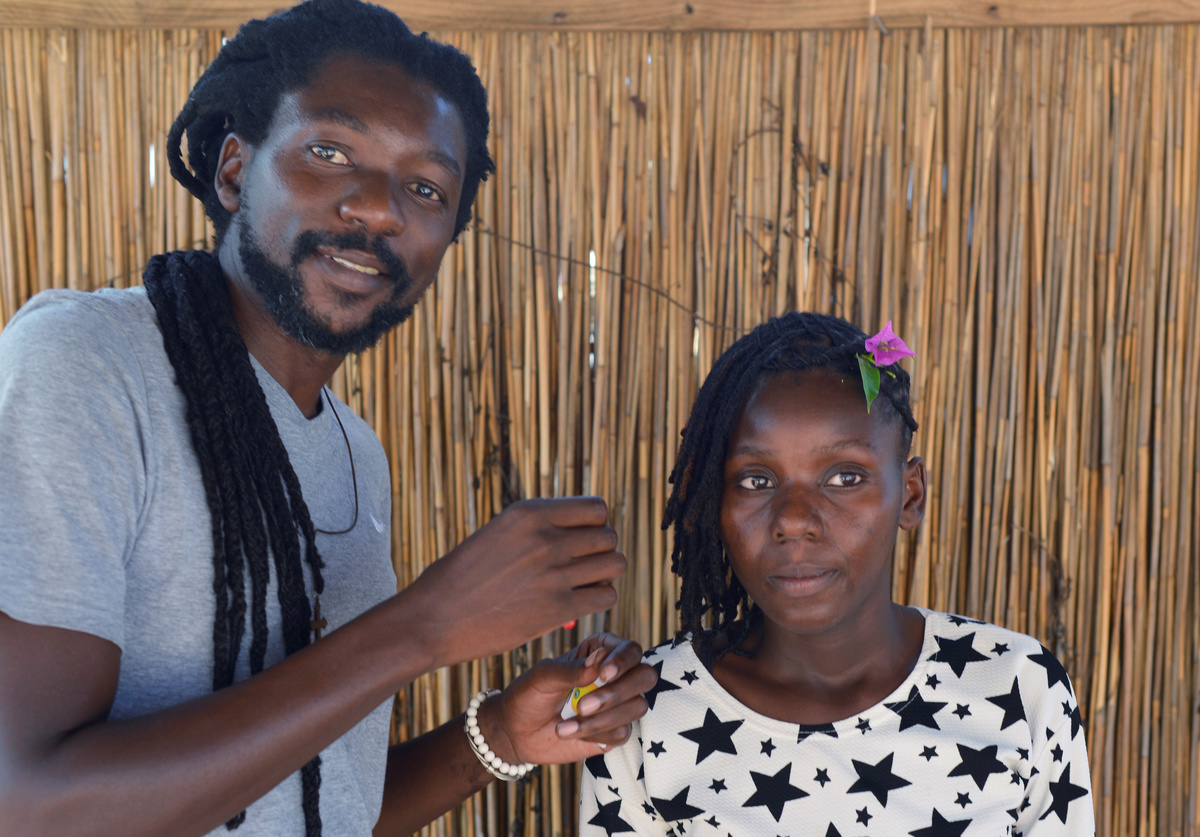
Cadino Chipanga decided 20 years ago to take up a trade then seen as taboo in Mozambique: a male hairdresser looking after women. He also resolved to focus on dreadlocks - a style unacceptable in some African communities.
Now 38, Chipanga has no regrets. He owns Carapinha, a small business that includes three salons in Maputo and a range of hair products.
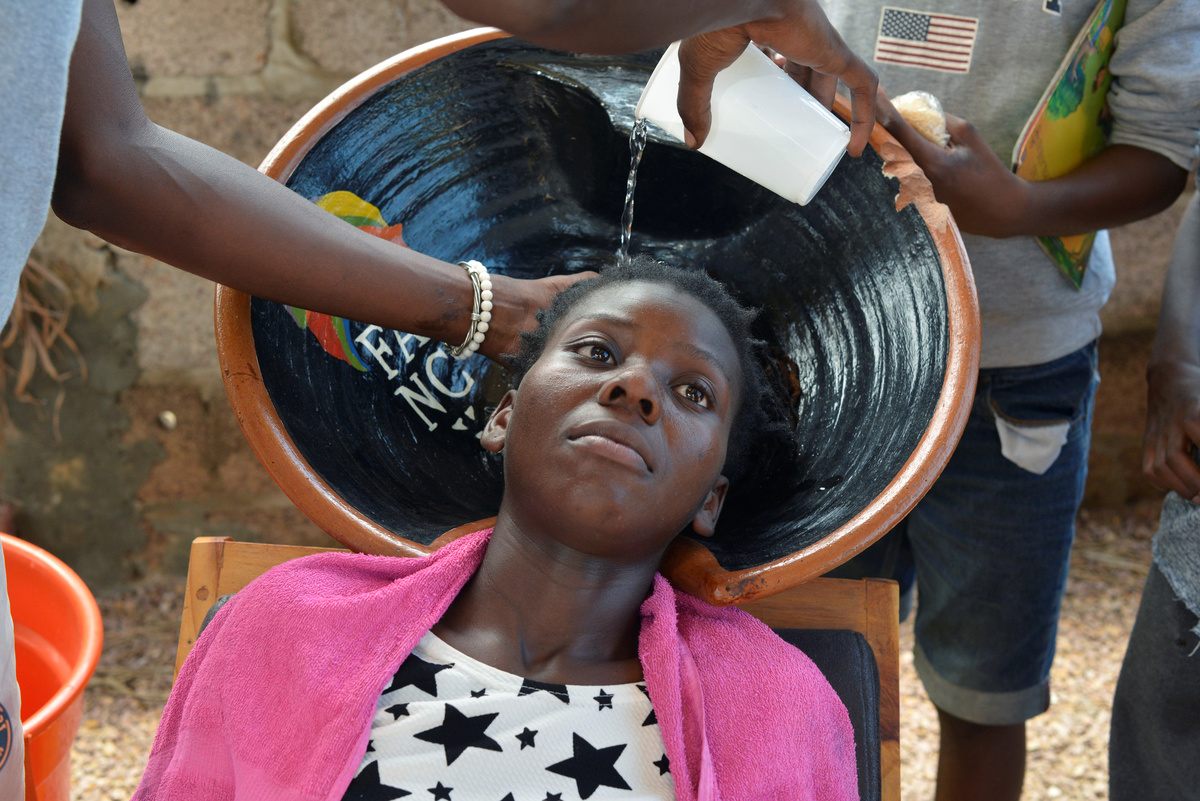
"The idea was to create a salon whose focus was to tend to natural hair at a time when no one cared about it anymore. People were using more and more chemicals and synthetic hair," Chipanga said in the workshop where he makes his hair products on the outskirts of the capital.
"Our mission is to bring back the love for Afro hair. That's why I embarked on this endeavor."
Chipanga makes his hair products, including shampoo, from a plant called Nlhelho or Devil's Thorn, which was used by his mother and grandmother.
The hair master, as Chipanga is popularly known, also uses sunflower and coconut as ingredients.
Even though Chipanga is not Rasfatarian, dreadlocks in Africa are often associated with Rastafarianism and most communities have been slow to embrace the culture.
In some countries, Rastafarian children have been sent home from school because of their dreadlocks.
"In the old days when we saw a person with dreadlocks we thought it was weird and an aberration ... our mindset has changed, that's why we can have dreadlocks today," said Felicidade Langa, a client at one of Chipanga's salons.
"I started this hairstyle because a Carapinha salon is in my neighborhood. I think other neighborhoods around also want to have a typical Rastafarian salon, so if he keeps opening salons in other places it will be good," said Langa.
Chipanga is betting on it.
"It took some time, but nowadays there are more people embracing their natural hair and things are working out," he said.
(Writing by Olivia Kumwenda-Mtambo)