“While there is a lot of excellence, there is also, as the sector acknowledges patchiness and variability in and between institutions … students should come out of their university years feeling they’ve got value for money for their time there.”
Jo Johnson, 6 November 2015
The recent proposal by universities minister Jo Johnson to increase tuition fees in line with inflation is heavily reliant on improvements in teaching performance. With the higher education sector already competing to add more value, this recent initiative places the spotlight firmly on the quality of teaching and learning.
Within this challenging context, we asked ourselves: ‘Can the design of teaching spaces have a positive impact on the quality of education?’
Earlier this year in search of answers, we decided to supplement our understanding of teaching space design and teaching methodologies by visiting institutions with international recognition for best practice in this area.
With Harvard University and MIT regularly leading the international rankings, we embarked on a research visit to Boston to find out how these two institutions continue to add significant value in a highly competitive global marketplace. It soon became clear that the answer to our previous question was a resounding yes.
Reflecting on the visit, it became clear that the key differentiator for these institutions was the way in which the various spaces and teaching methods supported collaboration between lecturers and students. Surprisingly we found that the traditional lecture theatre space – the old “chalk and talk” environment – still has a valuable role to play, but a number of other innovative solutions already exist (and have done so for some time), which can add real value.
Summarising the findings from our research we have outlined four key teaching space typologies. In comparing the characteristics of each below, we have highlighted the opportunities they offer for both teachers and students:
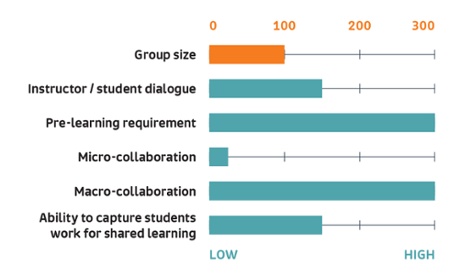
‘Delivery’ Type
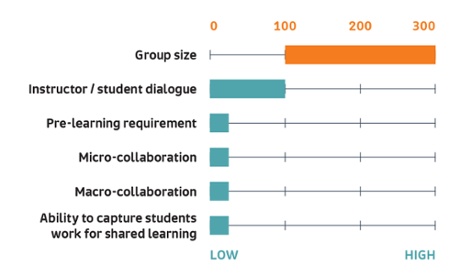
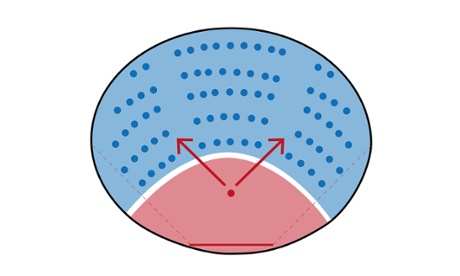
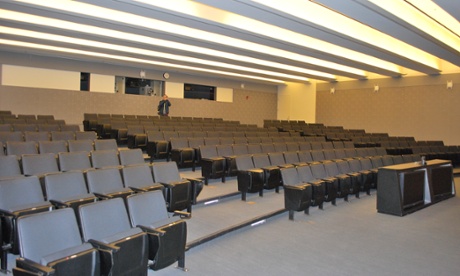
A traditional format which supports large group sizes and direct delivery of information. Limited interaction with lecturers or group discussion.
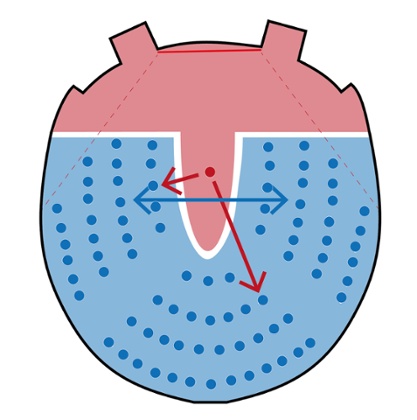
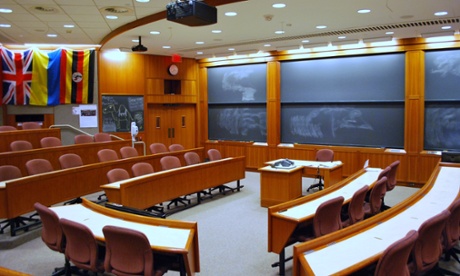
‘Macro Collaboration’ Type
The so called ‘Harvard-style’ teaching space promotes whole group interaction but relies upon extensive pre-learning (‘flipped’ learning) to be truly effective.
‘Micro Collaboration’ Type
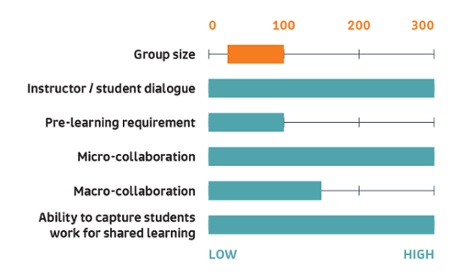
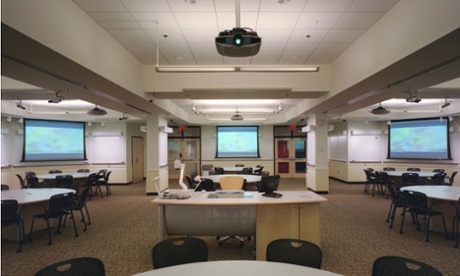
MIT pioneered the use of technology combined with active learning teaching methods in the TEAL (Technology Enabled Active Learning) classroom (also promoted by the Scale-Up programme), leading to impressive results in teaching effectiveness.

Universal Classroom
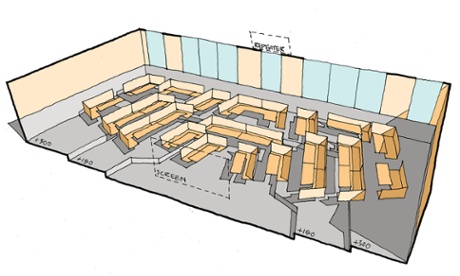
An evolution developed by FaulknerBrowns, which can support delivery, micro collaboration and macro collaboration. This model has been developed utilising the ‘Connect’ seating system (designed by Burwell Deakins and Race furniture to support micro collaboration in a lecture theatre environment) configured within the space to support both micro and macro collaboration. This innovative approach provides highly flexible spaces which can support multiple pedagogies.
Research in this field continues to open our eyes to innovations in space types which, when combined with innovative pedagogies, are pushing pioneering institutions to the top of the international league tables. If UK universities are to respond to the challenge set by Jo Johnson then further consideration should be given to these models and the role they can play in adding value in this competitive era.