Fielding questions after a screening of Blazing Saddles in London last week, Mel Brooks was asked for the secret to a long life. His reply was short and to the point: “Don’t die.”
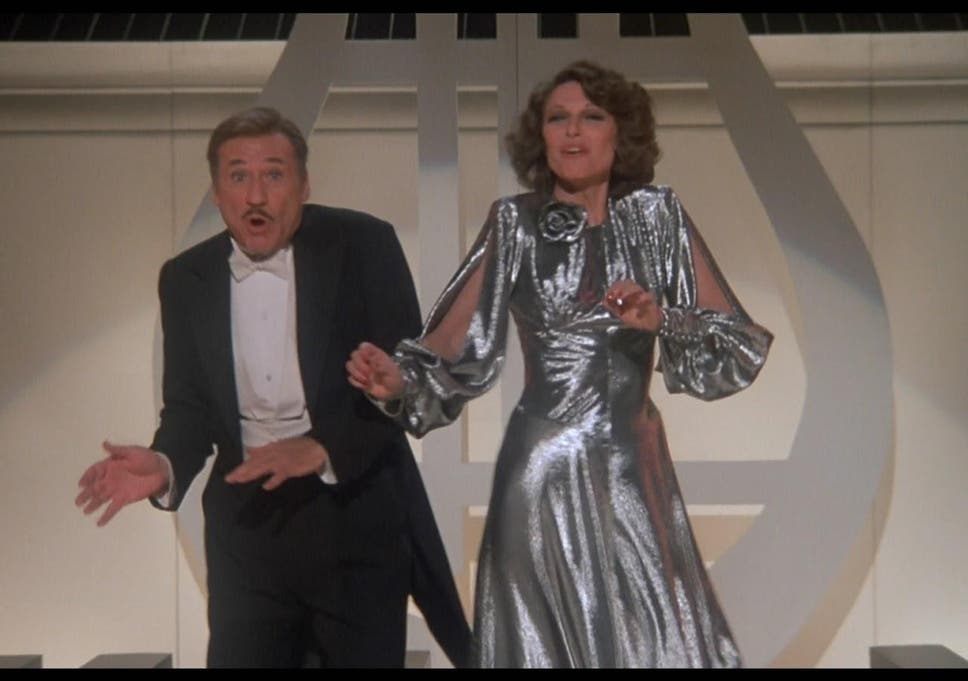
Unfortunately the advice was clearly not heeded by Alan Johnson, the choreographer best known for his work with Brooks, not least the immortal "Springtime for Hitler" sequence in The Producers, one of the great moments in screen comedy. Johnson and Brooks were regular collaborators and the former even directed the latter in To Be or Not to Be (1983), a faithful remake of the Ernst Lubitsch 1942 classic.
This is the only film starring Brooks that he did not also direct and the comedy icon is on record as saying it’s his favourite of the Brooksfilms productions (the studio he founded that was also responsible for The Fly and The Elephant Man).
One gets the sense Brooks was rarely happier, since he didn’t have to concern himself with directing and was able to spend every working day with his wife and co-star, Anne Bancroft. Indeed, during one especially light-hearted day’s filming, during which lines were flubbed and the actors were unable to stop laughing, Bancroft feigned outrage with the words, “Let me remind all of you, I'm sleeping with the producer.”
This is no spoof in the vein of Blazing Saddles orYoung Frankensteinbut a comedy about a theatre troupe attempting to escape Poland at the advent of World War II. While some of the dialogue from the original To Be or Not to Be film is incorporated wholesale, there are some key updates. This was the first Hollywood studio picture to explicitly refer to the inclusion of gay men in the groups condemned to the Nazi death camps, a significant moment and one that would not have been possible in Lubitsch’s 1940s version.
Somewhat incredibly, despite being as sharp as ever, the nonagenarian Brooks actually served during the war, fighting in the Battle of the Bulge in 1944. A disdain for Adolf Hitler and the Nazis is a recurring theme in his work but rarely has he tackled the victims of the persecution with such compassion and humanity.
Johnson does a fine job capturing the mayhem as well as the heart at the film’s core while the obvious chemistry between the leads is palpable and it seems only right that the last word should go to Bancroft: “We’re like any other couple; we’ve had our ups and downs. But every time I hear the key in the door I know the party’s about to start.”