Movie maker Harvey Weinstein loses bid to dismiss criminal case
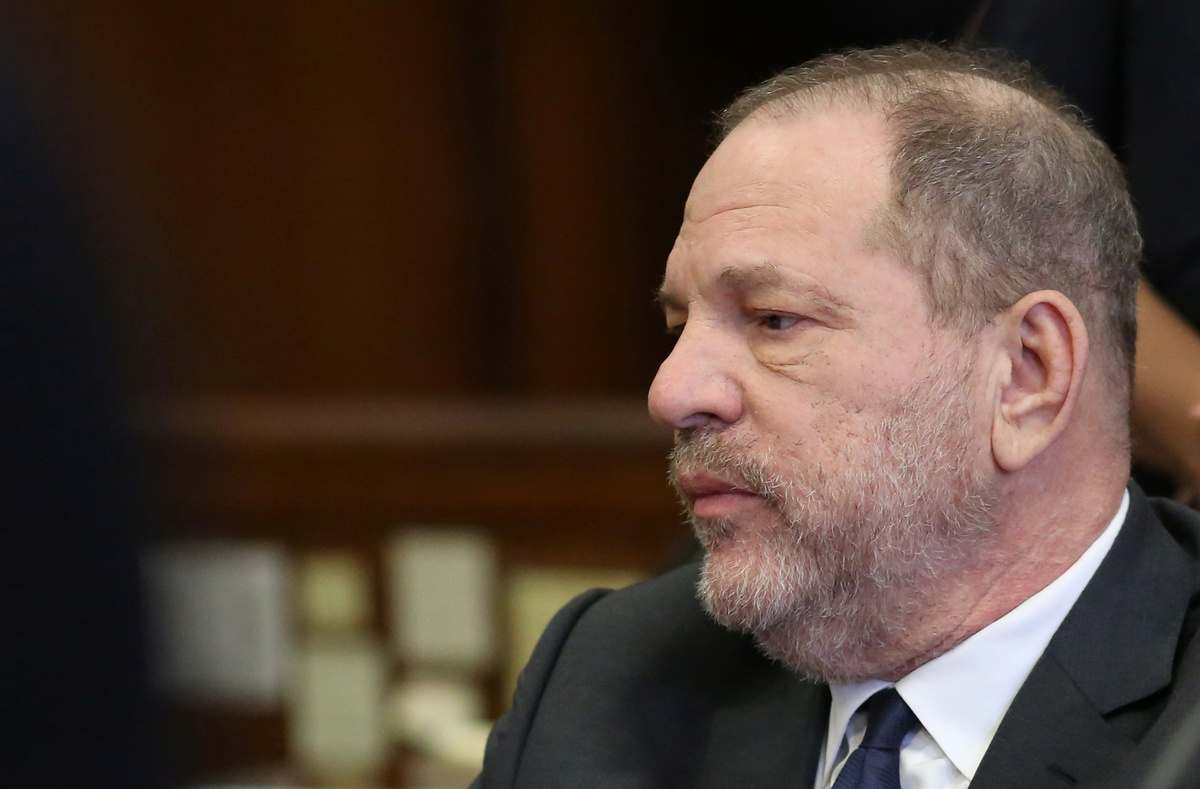
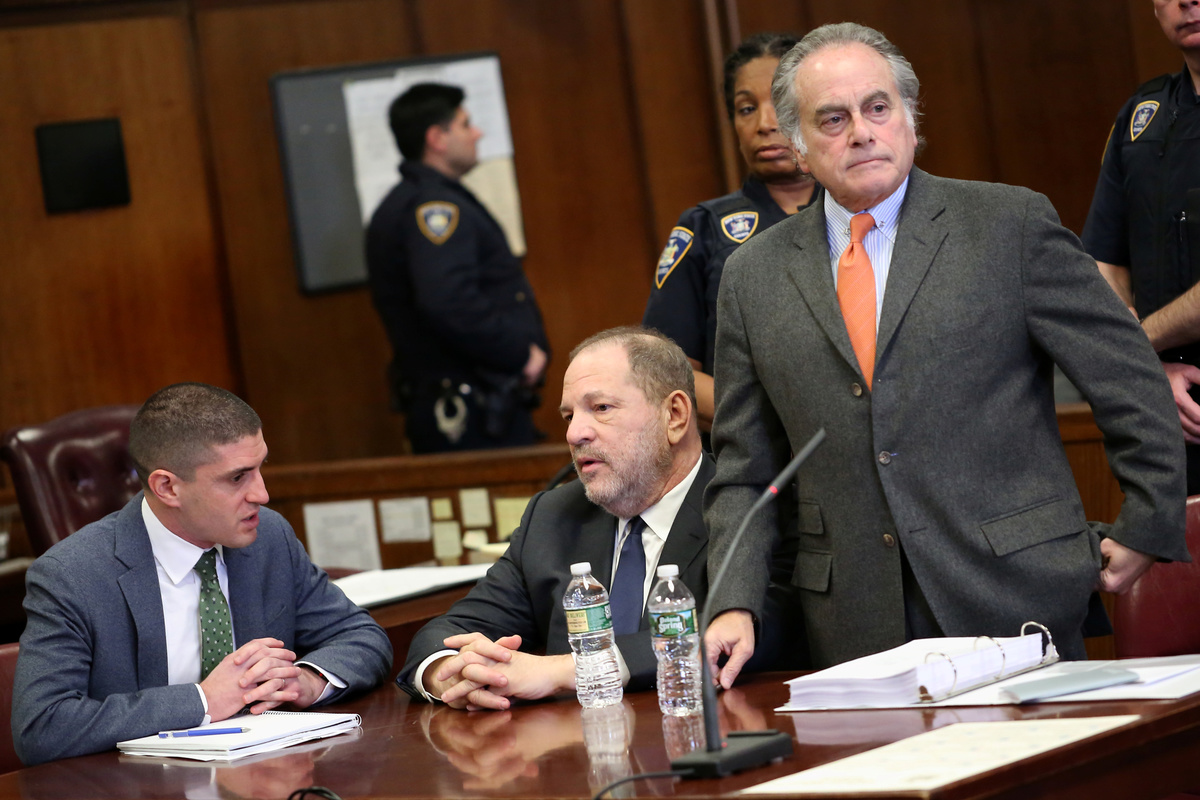
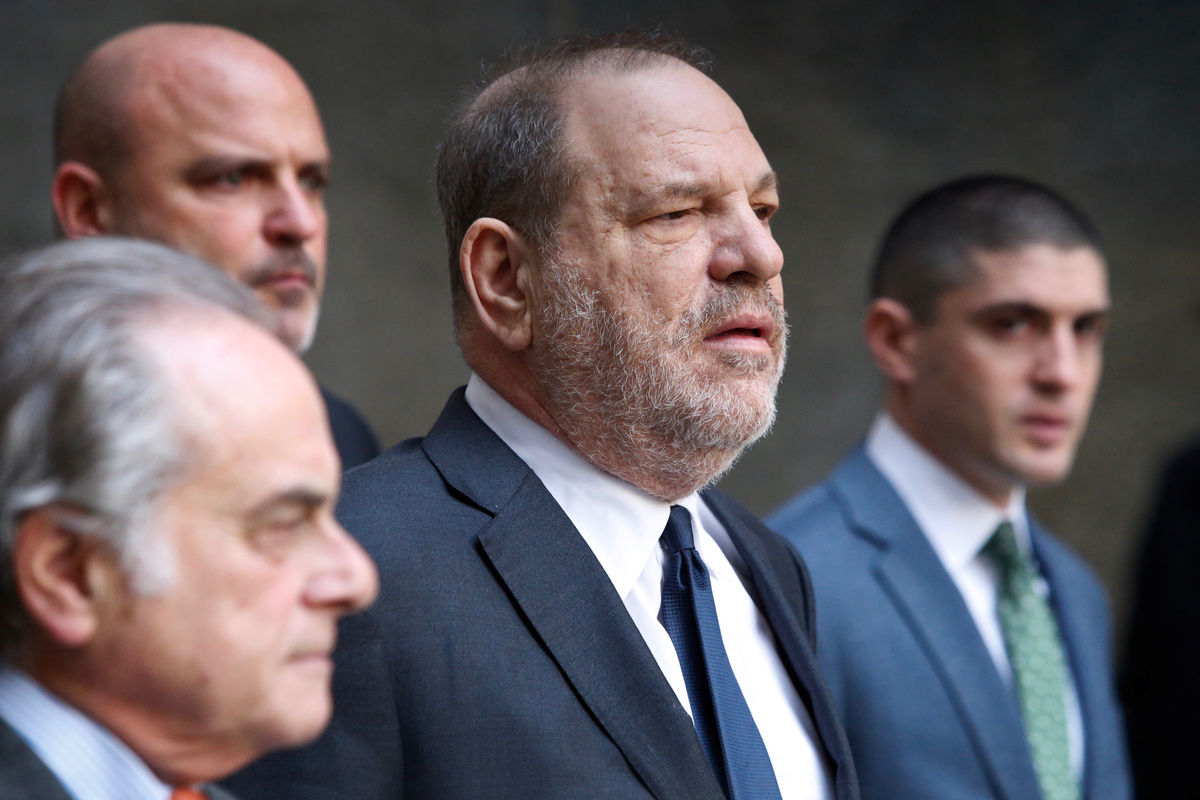
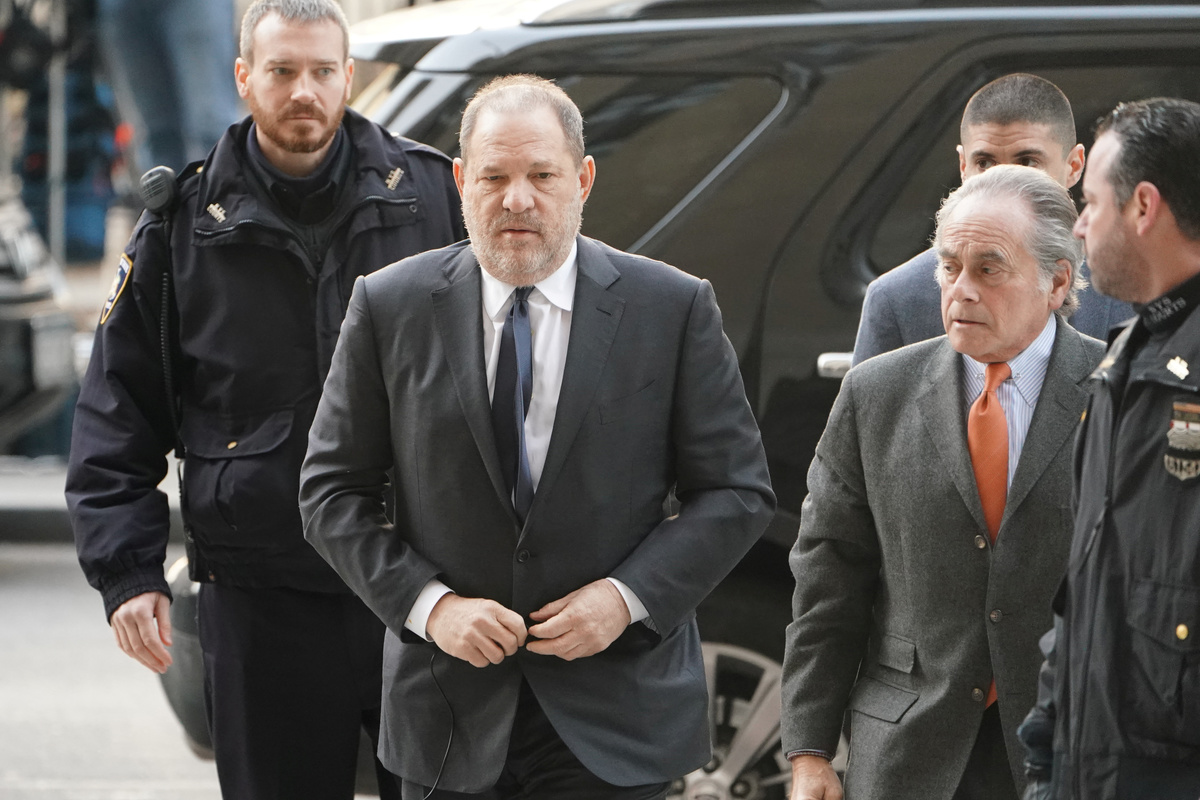
Film producer Harvey Weinstein attends a hearing in New York State Supreme Court in the Manhattan borough of New York City, New York, U.S., December 20, 2018. Alec Tabak/Pool via REUTERS
NEW YORK (Reuters) - A New York state judge on Thursday denied Harvey Weinstein's motion to dismiss criminal charges that he sexually assaulted two women, rejecting the movie producer's argument that the case was tainted by police and prosecutorial misconduct.
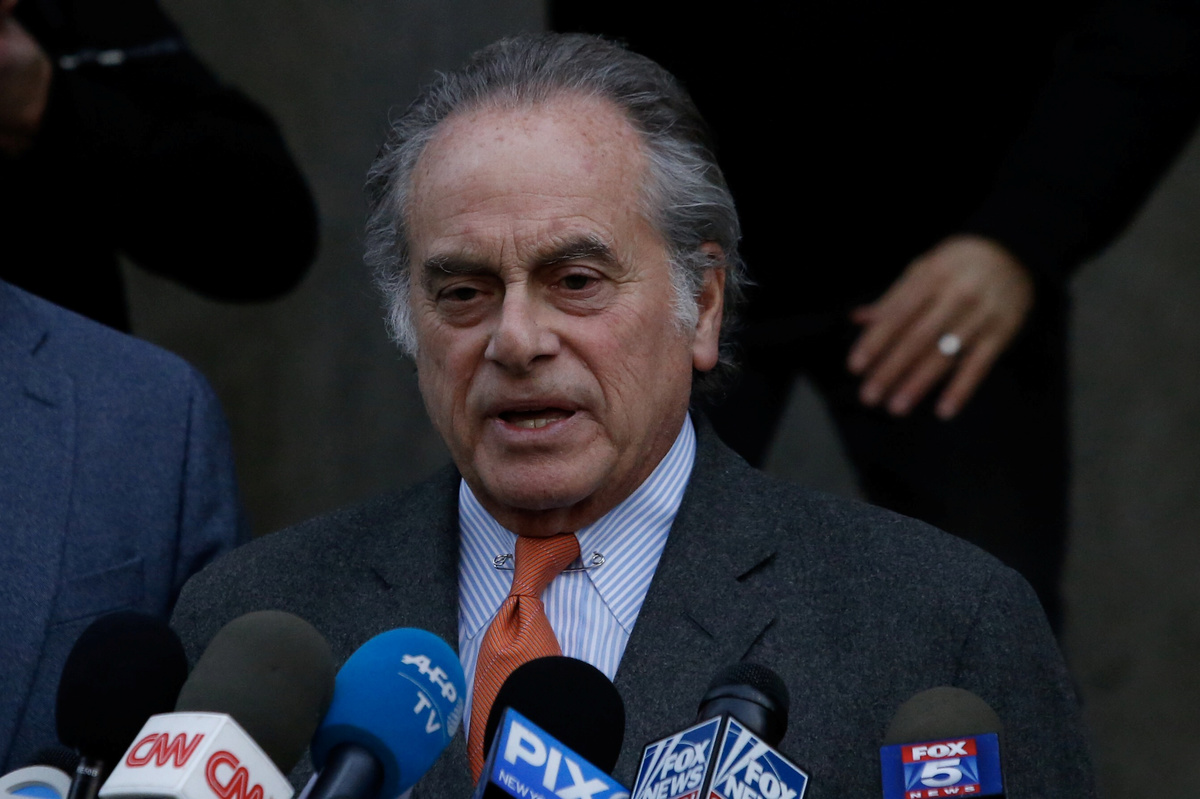
Supreme Court Justice James Burke in Manhattan announced his decision at a hearing in a packed courtroom. Benjamin Brafman, a lawyer for Weinstein, told reporters outside the courthouse he was disappointed in the decision but was confident his client would prevail at trial.
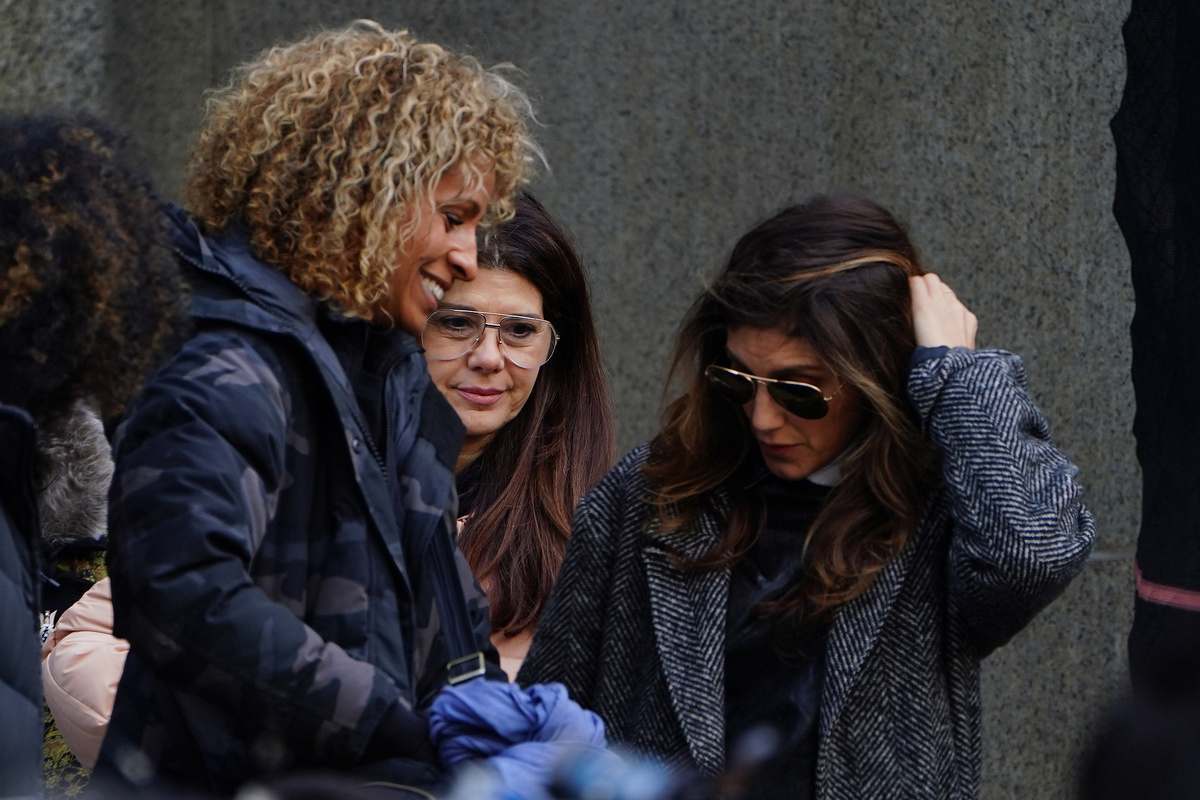
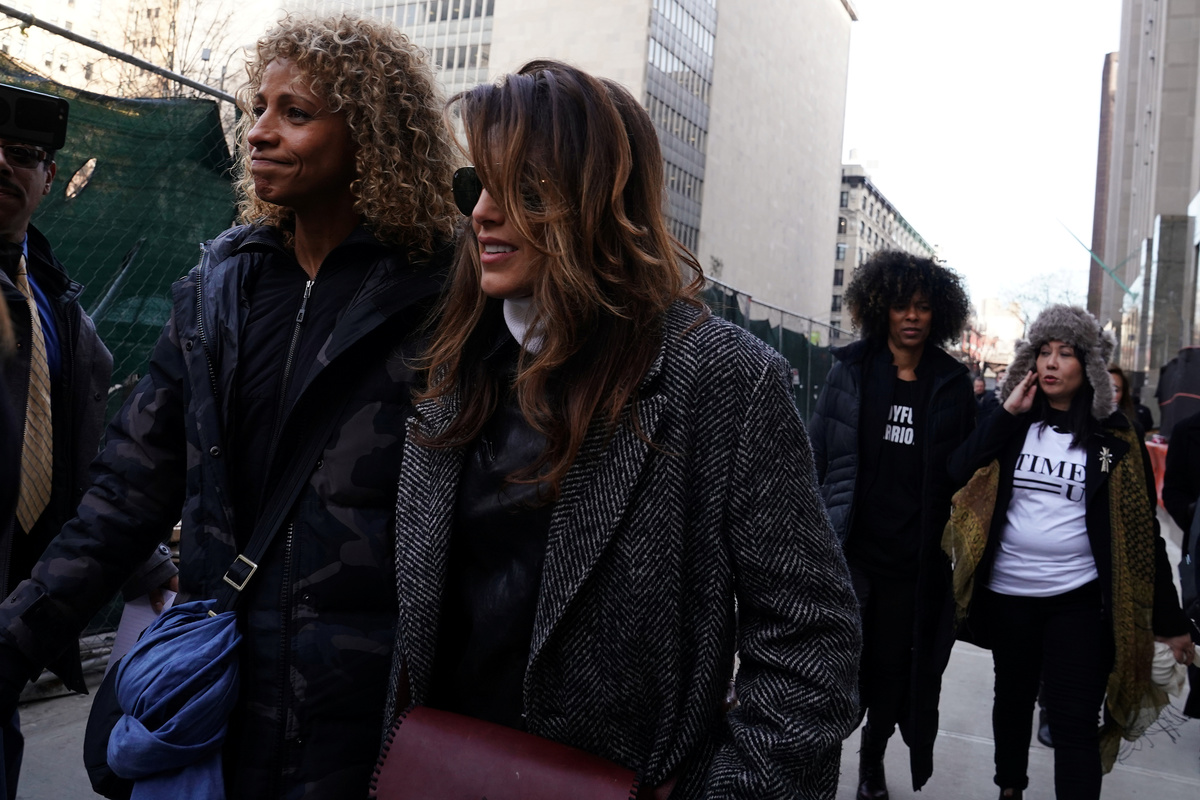
Women including actors Michelle Hurd and Marisa Tomei walk out after the Harvey Weinstein hearing in New York State Supreme Court in the Manhattan borough of New York City, New York, U.S., December 20, 2018. REUTERS/Carlo Allegri
Burke scheduled a pretrial hearing in the case on March 7.
In a written decision released after the hearing, Burke said there was "no basis for the defendant's claim of prosecutorial or law enforcement misconduct in the proceedings."
The ruling came about two months after Weinstein won dismissal of a charge involving a third woman after prosecutors revealed that a New York City police detective had withheld information during the investigation, and said they could no longer pursue the charge.
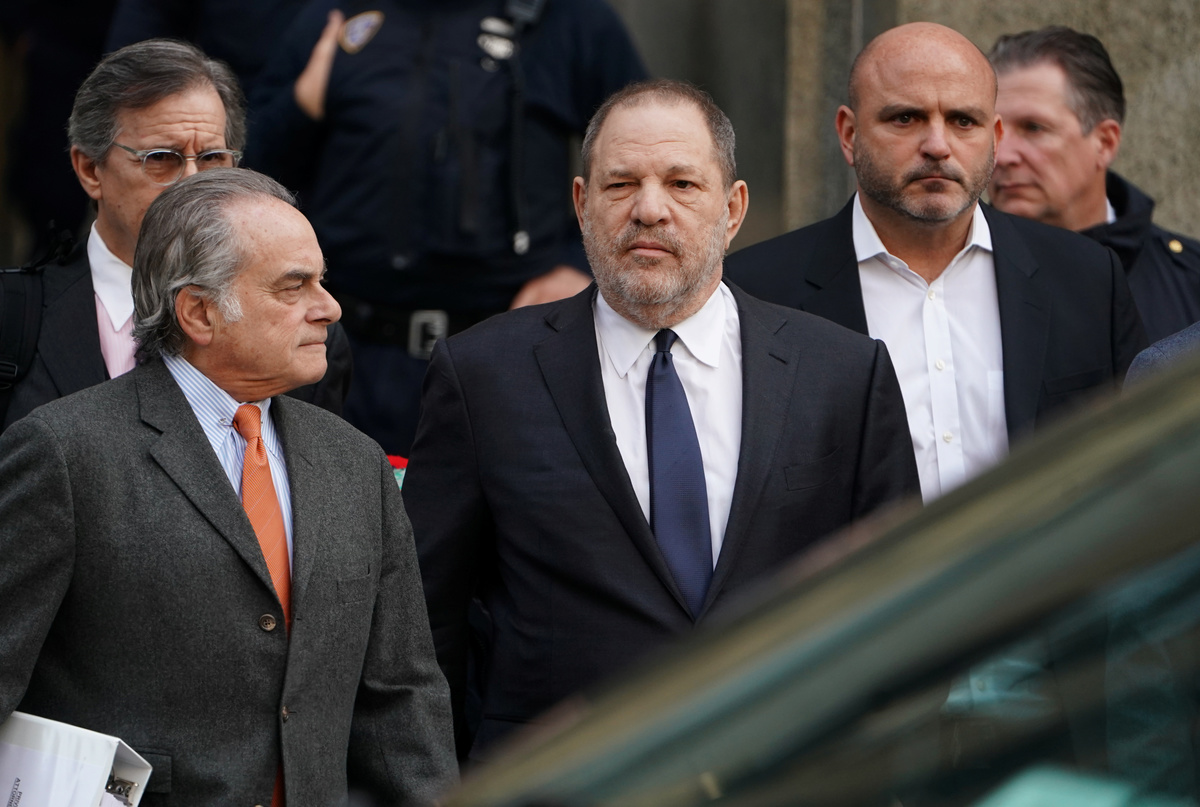
Benjamin Brafman, attorney of film producer Harvey Weinstein, speaks to media after exiting the New York Supreme Court in the Manhattan borough of New York City, New York, U.S., December 20, 2018. REUTERS/Eduardo Munoz
In his motion to dismiss the remaining counts, Weinstein said the detective's withholding of information compromised the integrity of the entire grand jury process that led to the indictment. Burke, however, wrote that a problem with one charge did not "infect the integrity" of the other charges, which concern different women.
Weinstein has also argued that the indictment should be dismissed because the grand jury had not been shown communications that he said showed a long-term, consensual relationship between him and one of the women. Burke said that while prosecutors must disclose evidence favorable to a defendant before trial, they do not have to show it to a grand jury.
Weinstein, who faces a up to life in prison if convicted of the five charges against him, has denied having nonconsensual sex with anyone following accusations by more than 70 women, mostly young actresses and other women employed in the movie business, of sexual misconduct, including rape, going back decades.
Film producer Harvey Weinstein attends a hearing in New York State Supreme Court in the Manhattan borough of New York City, New York, U.S., December 20, 2018. Alec Tabak/Pool via REUTERS
The accusations led to the #MeToo movement in which hundreds of women have publicly accused powerful men in business, politics and entertainment of sexual harassment and abuse.
As the accusations against Weinstein mounted, his company Weinstein Co fired him and filed for bankruptcy, and he was expelled from the Academy of Motion Picture Arts and Sciences.
Through his company and another studio, Miramax, Weinstein won plaudits and awards for movies including "Shakespeare in Love," "Pulp Fiction" and "The King's Speech."
Women walk out after the Harvey Weinstein hearing in New York State Supreme Court in the Manhattan borough of New York City, New York, U.S., December 20, 2018. REUTERS/Carlo Allegri
(Reporting by Brendan Pierson in New York; editing by Jonathan Oatis)
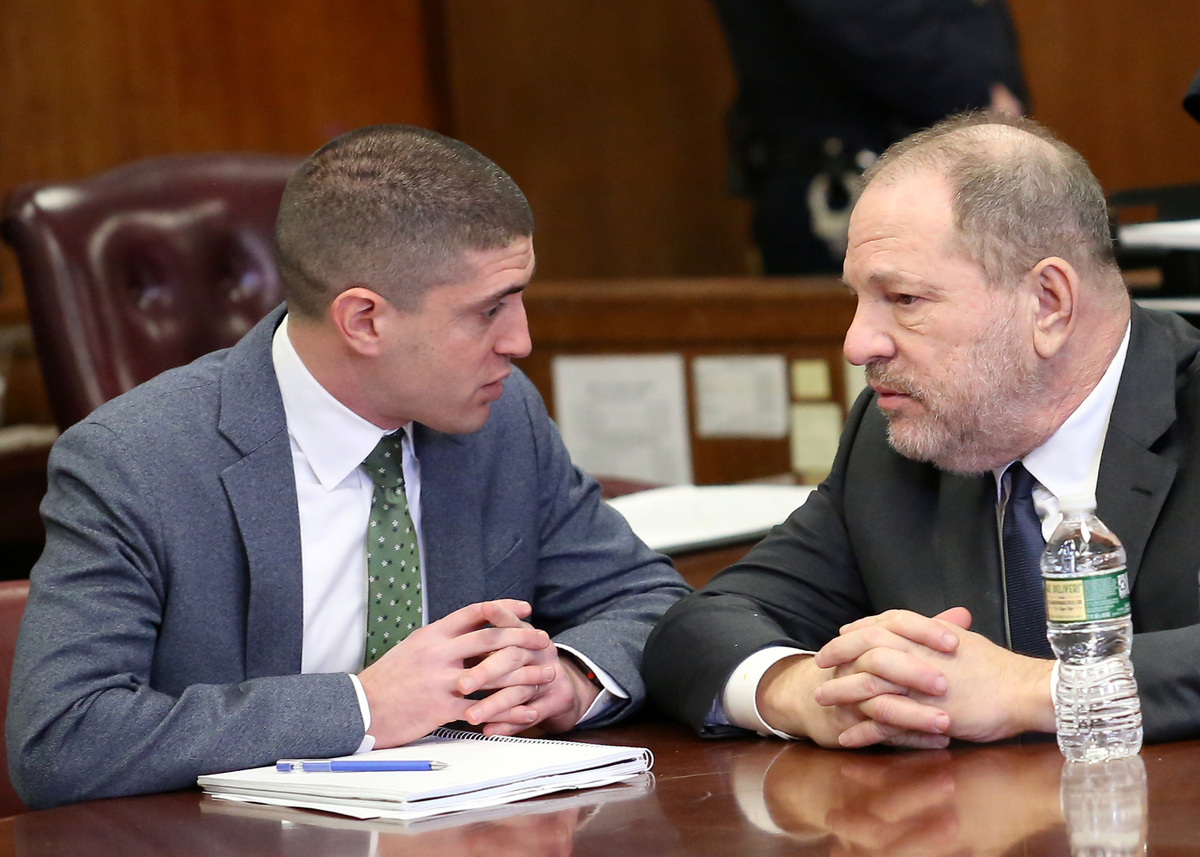
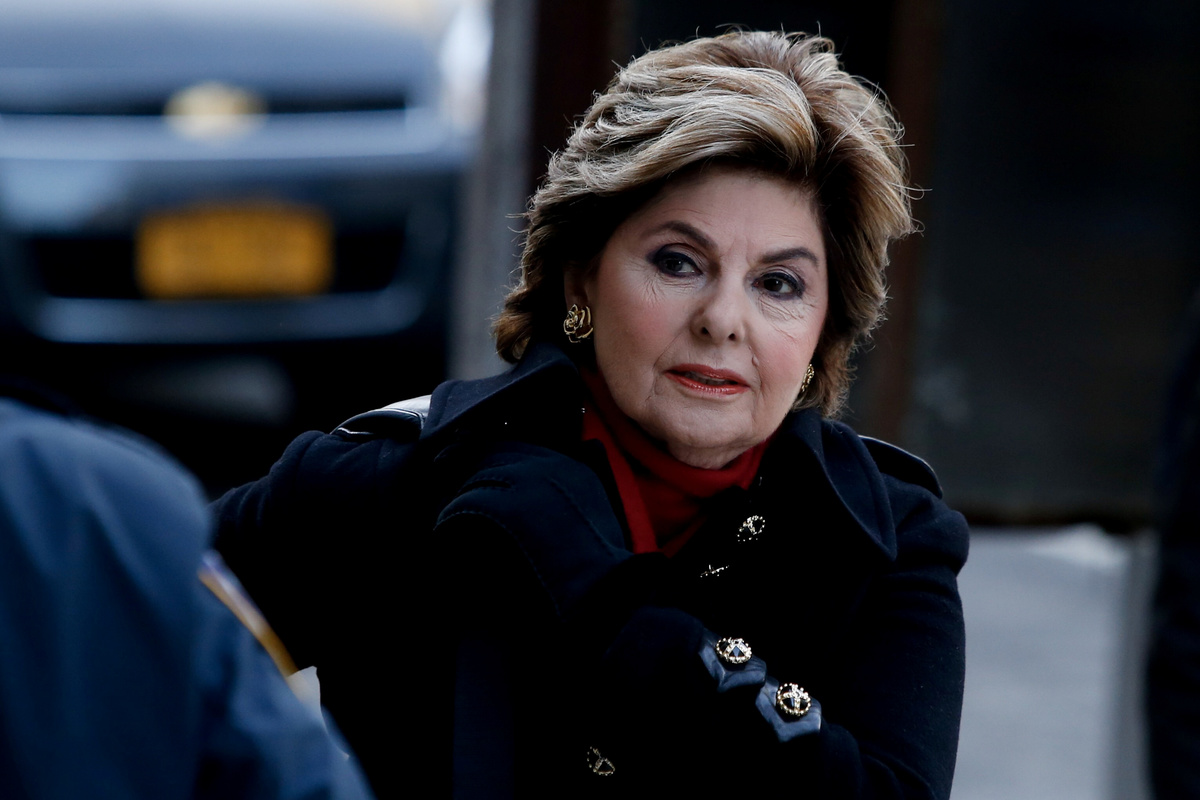
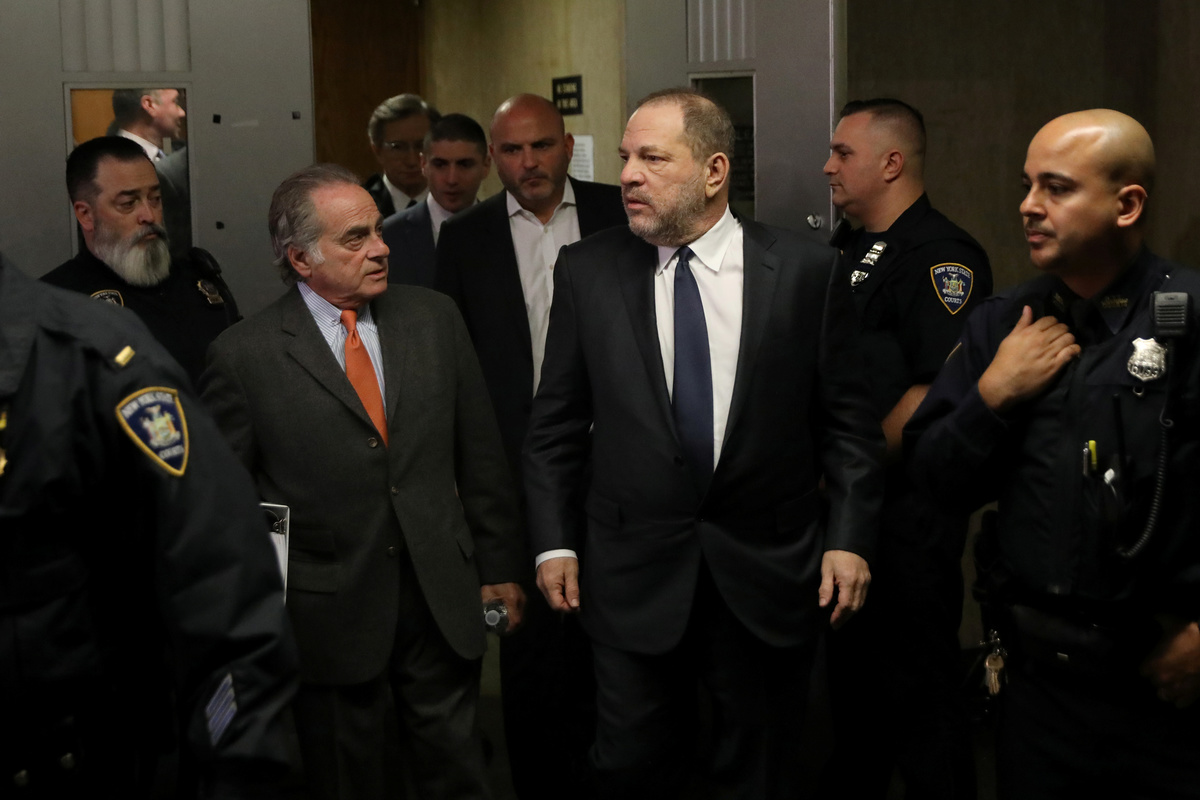
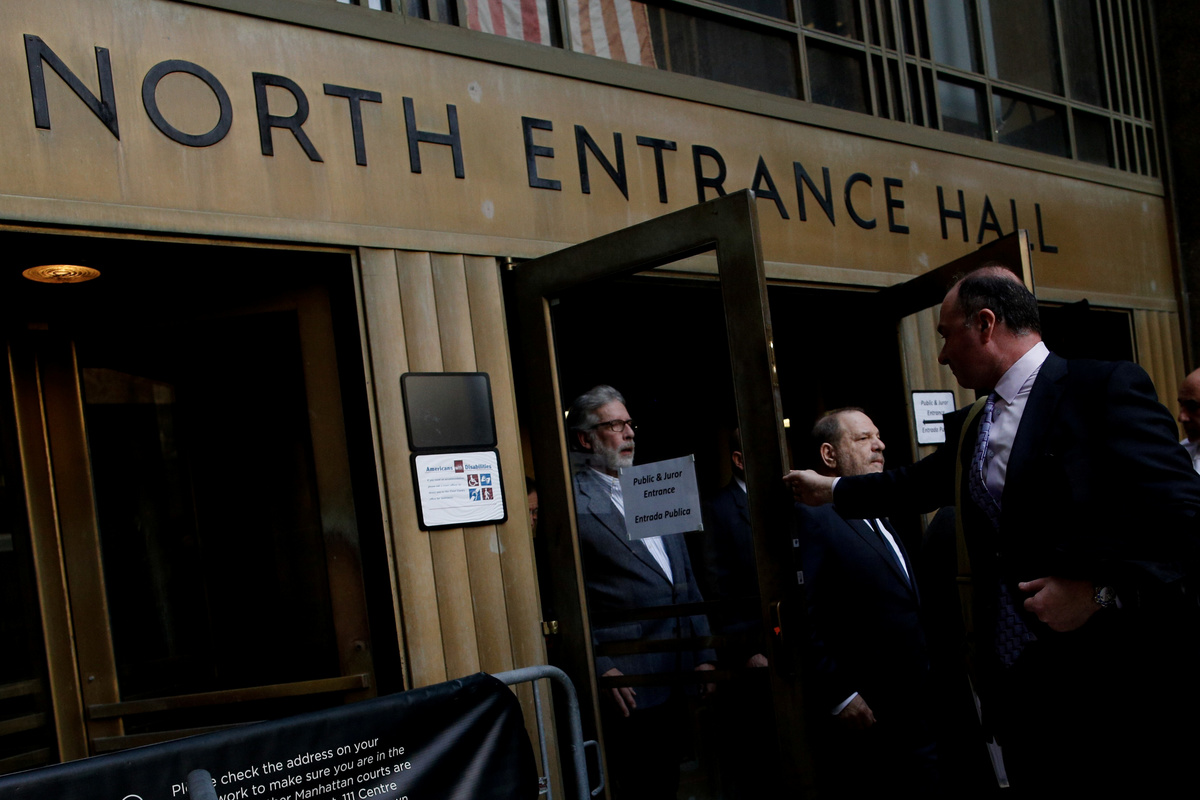
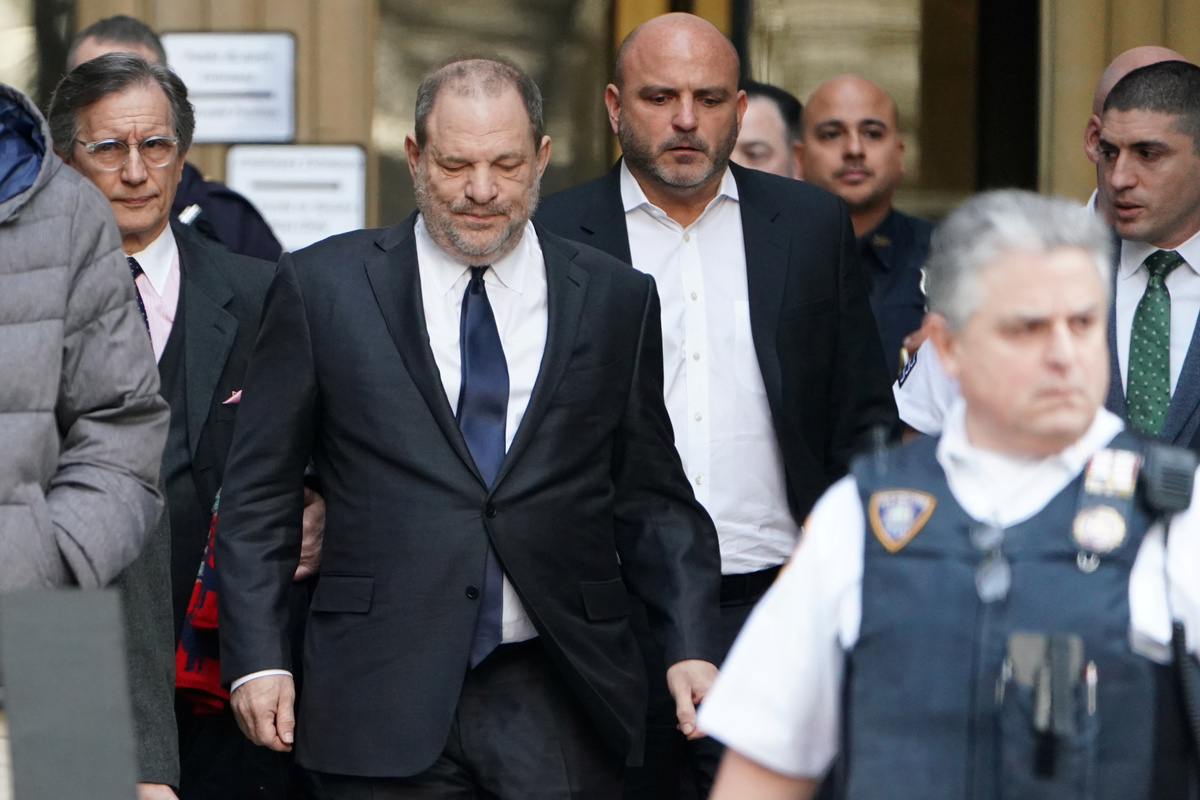
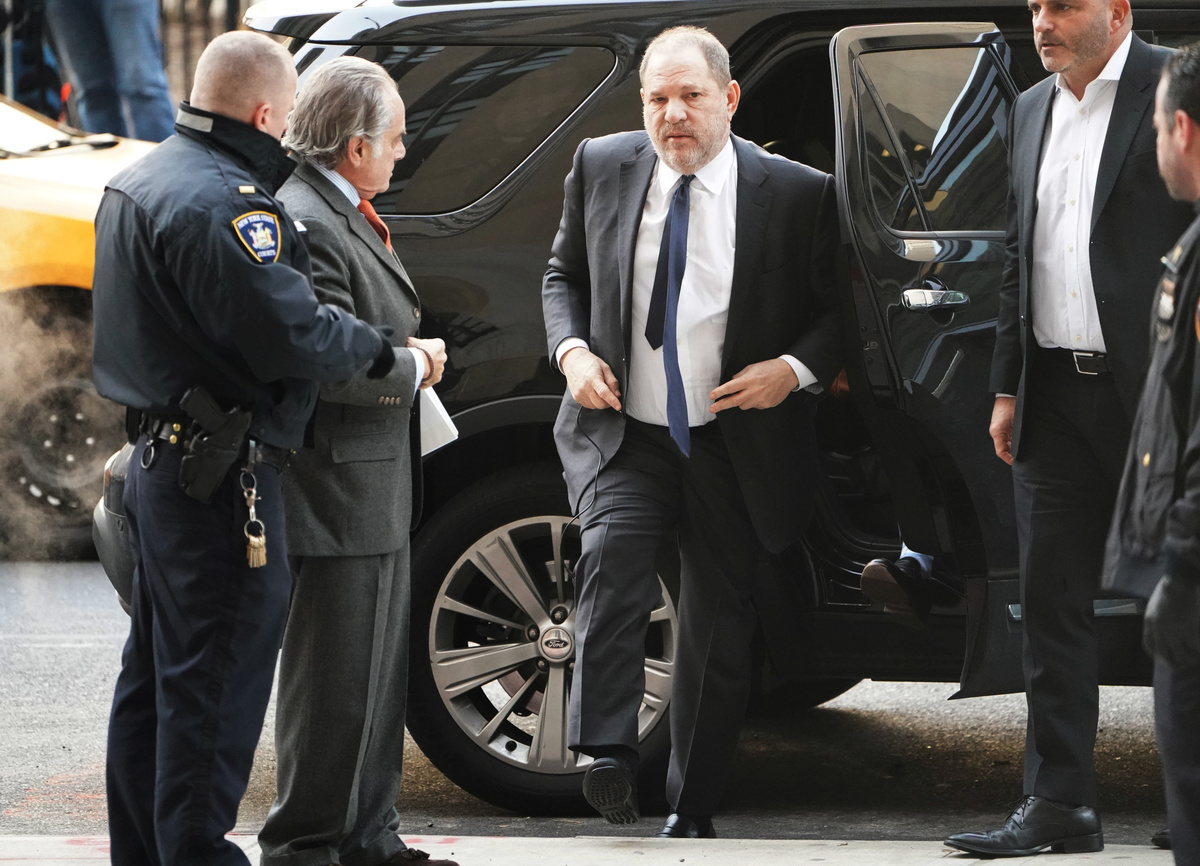
Attorney Gloria Allred arrives to attend the court hearing for film producer Harvey Weinstein at New York Supreme Court in the Manhattan borough of New York City, New York, U.S., December 20, 2018. REUTERS/Eduardo MunozFilm producer Harvey Weinstein attends a hearing in New York State Supreme Court in the Manhattan borough of New York City, New York, U.S., December 20, 2018. Alec Tabak/Pool via REUTERSFilm producer Harvey Weinstein leaves New York Supreme Court with his attorney Benjamin Brafman in the Manhattan borough of New York City, U.S. December 20, 2018. REUTERS/Carlo AllegriFilm producer Harvey Weinstein exits the New York Supreme Court in the Manhattan borough of New York City, New York, U.S., December 20, 2018. REUTERS/Eduardo MunozFilm producer Harvey Weinstein with his attorney Benjamin Brafman (L) leaves the courtroom at New York Supreme Court in the Manhattan borough of New York City, U.S., December 20, 2018. REUTERS/Brendan McDermidFilm producer Harvey Weinstein exits the New York Supreme Court in the Manhattan borough of New York City, New York, U.S., December 20, 2018. REUTERS/Eduardo MunozFilm producer Harvey Weinstein leaves New York Supreme Court in the Manhattan borough of New York City, U.S. December 20, 2018. REUTERS/Carlo AllegriFilm producer Harvey Weinstein arrives at New York Supreme Court with his attorney Benjamin Brafman in the Manhattan borough of New York City, U.S. December 20, 2018. REUTERS/Carlo AllegriFilm producer Harvey Weinstein arrives at New York Supreme Court in the Manhattan borough of New York City, U.S. December 20, 2018. REUTERS/Carlo Allegri
Sign up to read this article
Read news from 100’s of titles, curated specifically for you.