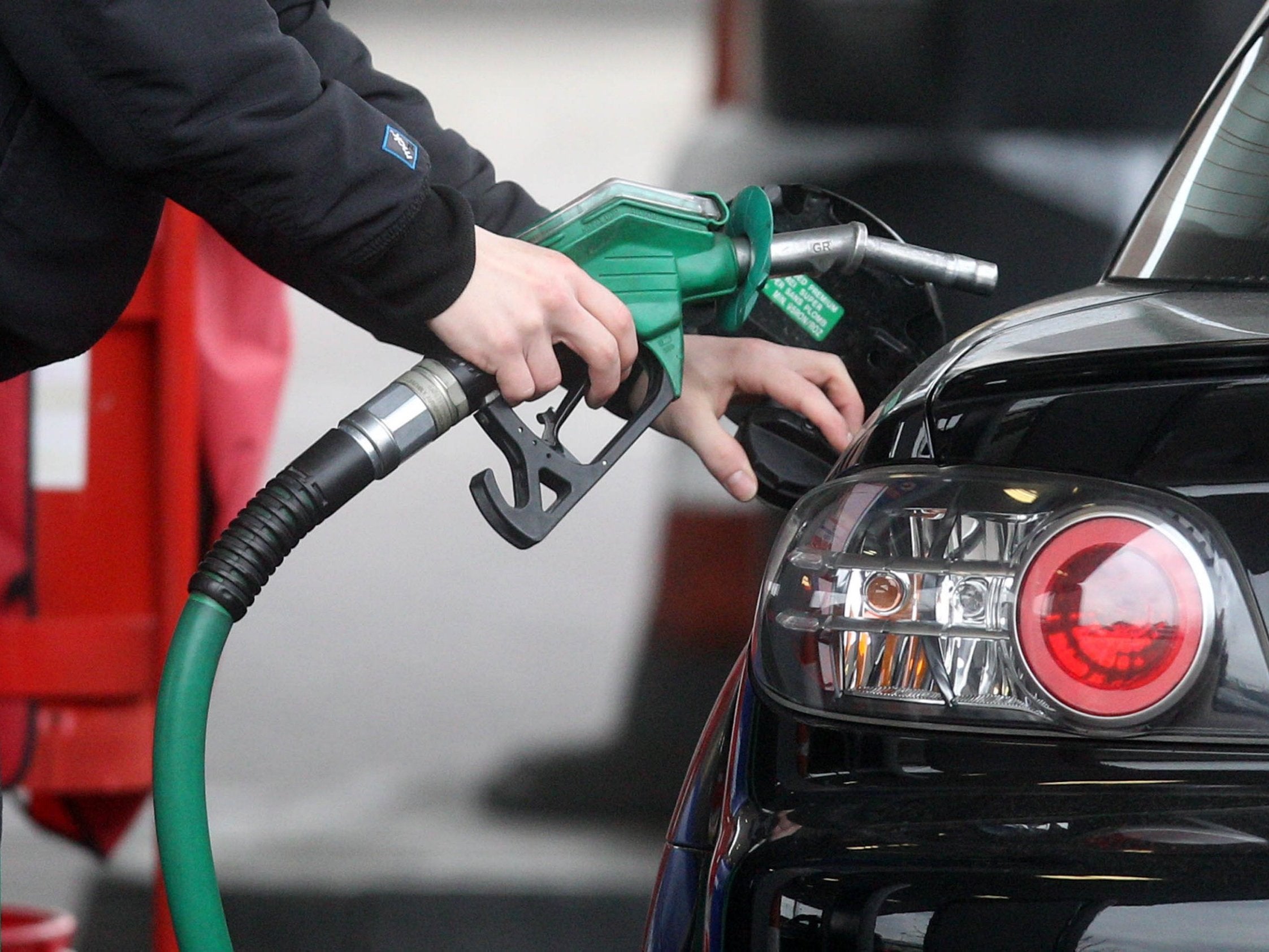
Motorists should be made to pay for fuel before they fill up their vehicles to prevent theft, a senior police chief has said.
Chief Constable Simon Cole, the National Police Chiefs' Council (NPCC) lead for local policing, said petrol stations have the ability to stop “bilking” - where motorists drive off without paying.
But ensuring customers have to come into the shop when they buy petrol means more sales of sweets, drinks, cigarettes and other items.
Enforcing pre-payment would stop tens of thousands of incidents of fuel theft and allow police forces to focus on serious and violent crime, Mr Cole said.
In comments reported by the Daily Telegraph, he said: “The petroleum industry could design out bilking in 30 seconds by making people pay upfront, which is what they do in other countries.
“They don't, because the walk in their shops is part of their business offer.”
Some forces have recorded a 40 per cent increase in bilking over the past year as the number of incidents across the country has reached around 25,000.
But police say it is not practical to investigate thefts of less than £50 of petrol.
Mr Coles comments come as debate intensifies over how dwindling police budgets should be spent.
Last week NPCC chair, Chief Constable Sara Thornton, said she does not want to see misogyny and misandry classed as hate crimes because that would pile more pressure on “stretched” forces that are already struggling to cope.
Ms Thornton called for a return to “core policing” amid a nationwide rise in recorded crime and violence.
She argued that although treating misogyny as a hate crime “is a concern for some well-organised campaigning organisations”, police should focus their limited resources elsewhere.
Mr Cole, Chief Constable for Leicestershire Police, backed Ms Thornton’s comments. “However laudable it may or may not be to record misogyny, we cannot do it at present without additional resources,” he said.
While recorded crime is rising the number of arrests in England and Wales has halved in a decade, a fact that police leaders say is partly because budgets have been slashed by 19 per cent in real terms since 2010.
“The challenge is what efficiencies can we identify, what processes can we make leaner, what processes can we stop doing that enable you to deliver with one million fewer operational hours,” Mr Cole added.