When Formula 1’s stateside overlords Liberty Media acquired a majority stake in MotoGP last year, at the cost of a mere £3.6billion, the blueprint for growth in the world’s premier motorbike class was not a closely guarded secret. Modern-day F1 is the competition every sport worldwide is, to a large extent, looking to replicate. As the saying goes: imitation is the sincerest form of flattery.
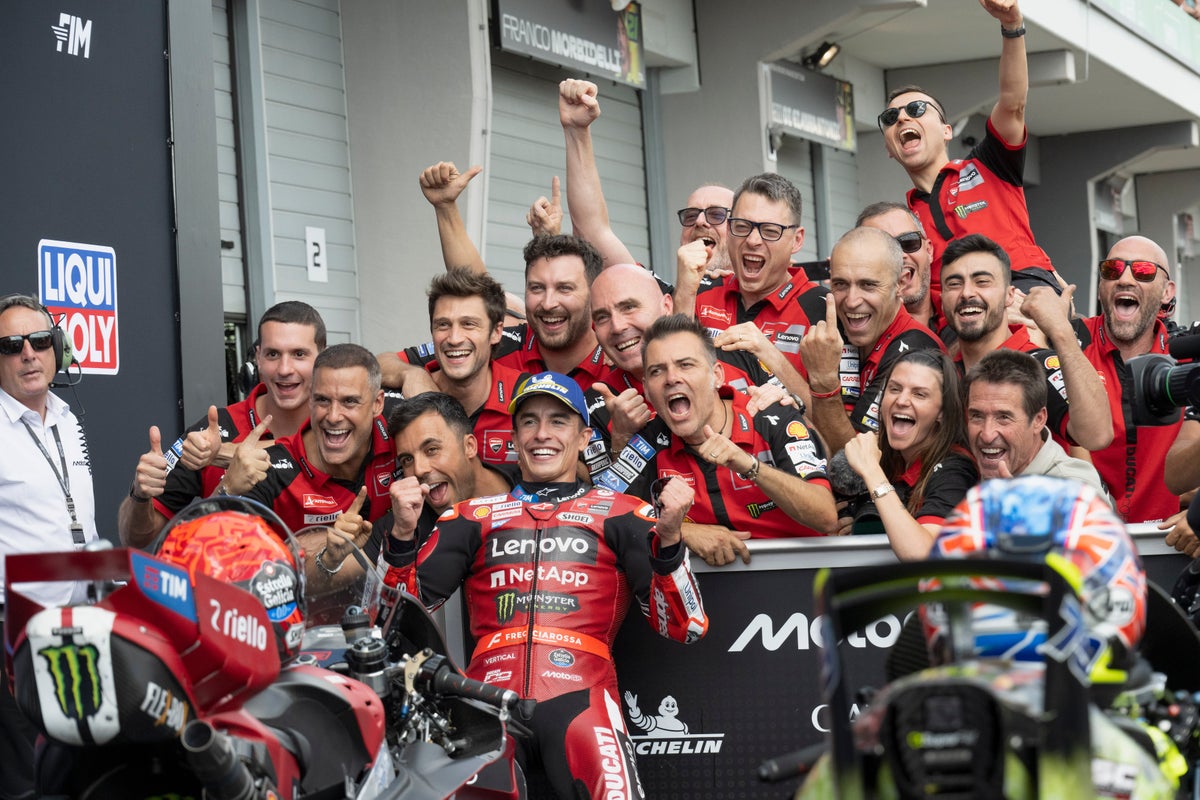
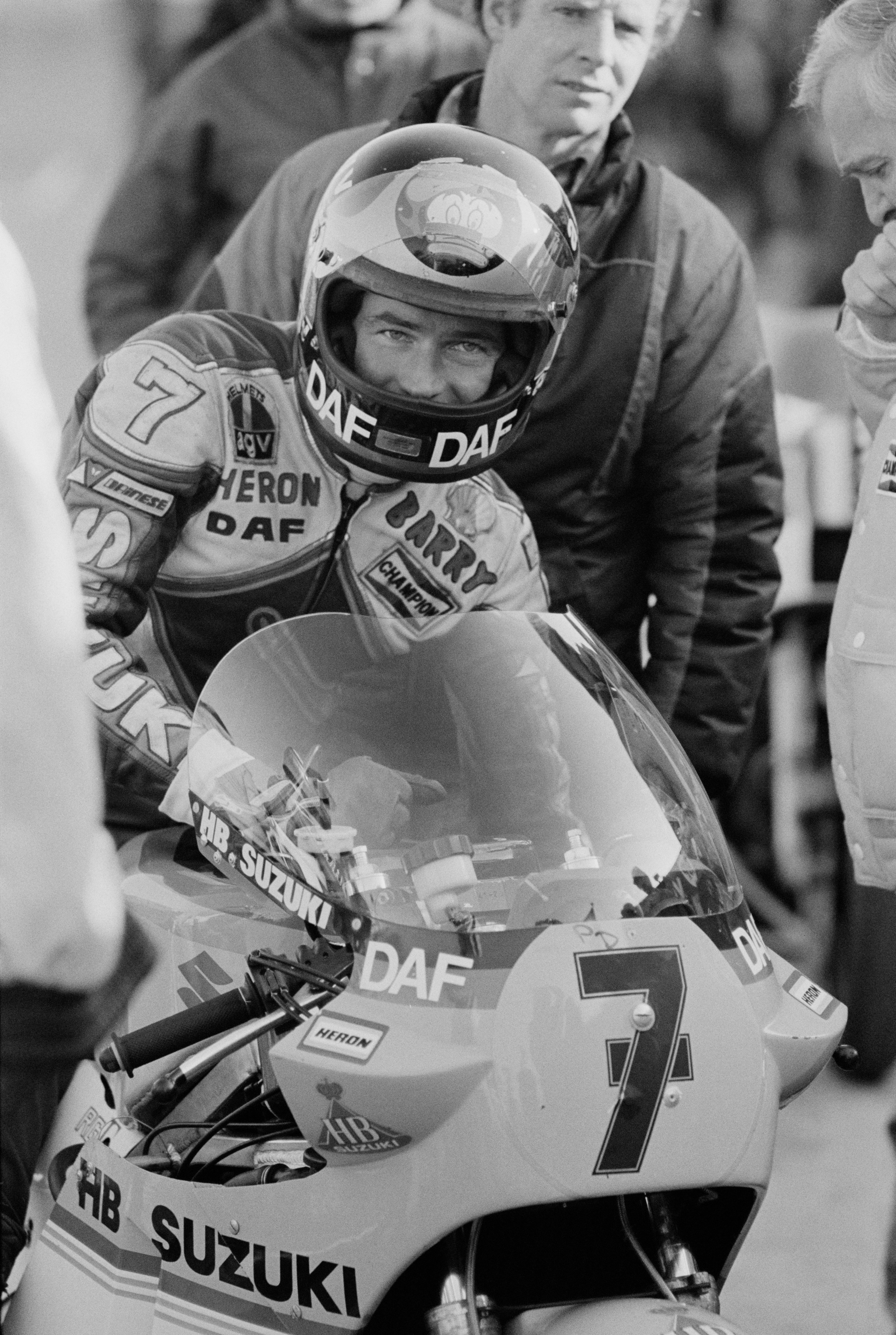
And yet, beyond your two-wheeled petrolhead hardcores, cut-through is tricky. Aside from Spain’s defending champion Marc Marquez, how many of the 2026 grid have you heard of? Do names like current championship leader Jorge Martin ring a bell? In the UK, the case for notoriety is not aided by the lack of a single British rider on the current grid; a situation which has arisen 50 years since the last British champion in Barry Sheene. Undoubtedly, luring star names is at the forefront of the growth drive.
Enter Guenther Steiner: the former Haas team boss, famous for his expletive-laden rants and the unlikely star of the Drive to Survive phenomenon which launched F1 into the public mainstream.
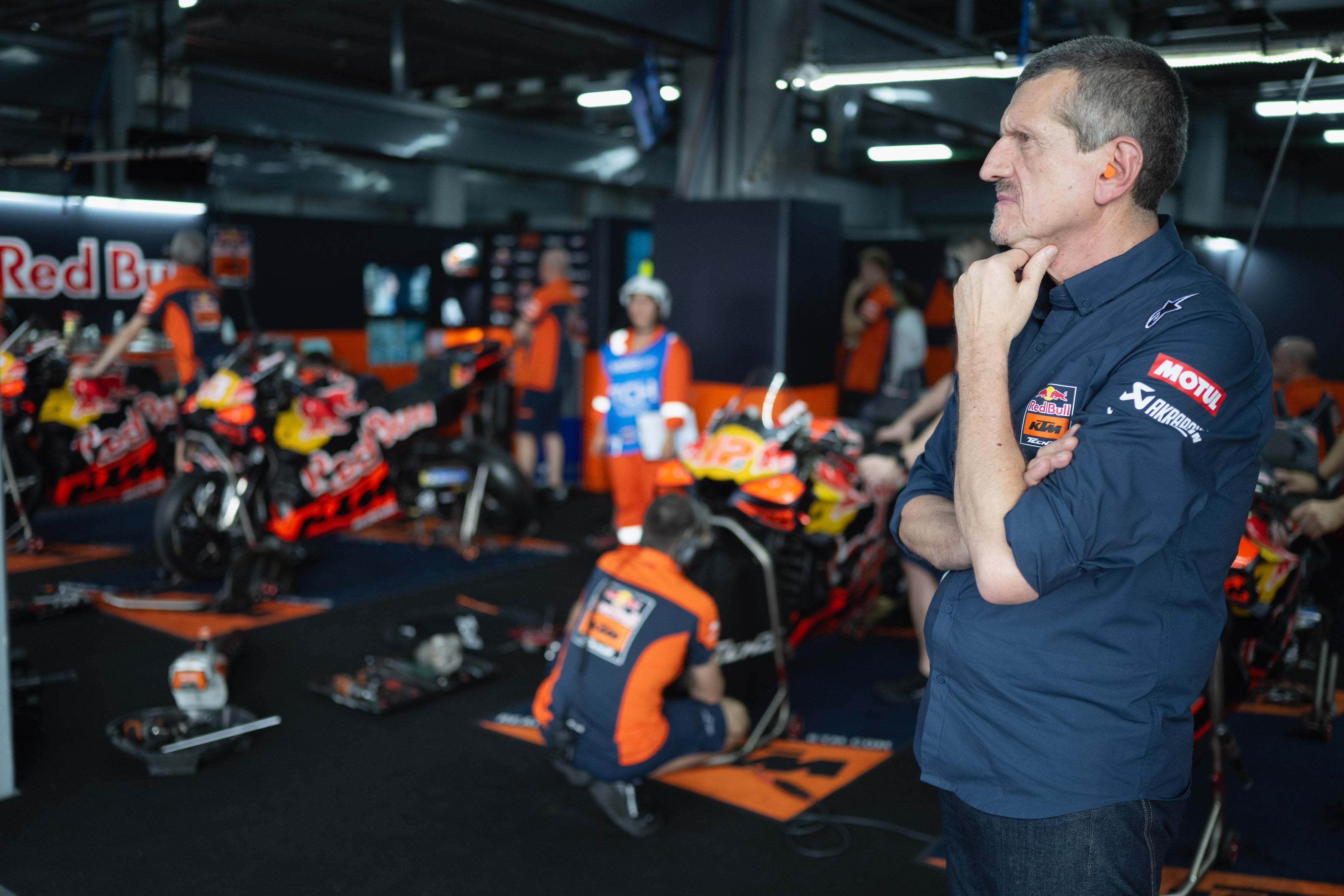
Two-and-a-half years on from leaving the world of F1 (at least as a team principal; he is still a regular on punditry duties for Australian and German TV networks), Steiner has shifted his motorsport compass somewhat. Now, he is the CEO and owner of the Red Bull KTM Tech 3 outfit in MotoGP. And ahead of this weekend’s British Grand Prix at Silverstone – fresh off a two-year contract extension announced on Thursday – the popular Italian-American is relishing a new challenge and a new paddock.
“I think MotoGP is like F1 was like 20 years ago,” Steiner says, not discarding the mid-2000s era of Michael Schumacher dominating on track and Bernie Ecclestone off-track but, rather, an inference towards the growth of the sport in the two decades since that is incontestable.
“It’s a sport which is growing, everyone wants to grow. If I can help to do that, I’m more than happy to do that. The potential of MotoGP is immense. As a sport, you can keep the costs much lower because the bike is smaller. I know how complex an F1 car is compared to a bike.
“And the sport itself? It really is something when they go side by side. It’s amazing. MotoGP does not need help in the racing. The racing is good – leave it alone.”
Was the latter remark the smallest of digs at Formula 1, amid its current generation of electrical-focused cars? Perhaps. Nonetheless, race highlight packages of the 1000cc bike series contain no shortage of hard-hitting action, courageous overtakes and – as seen in Barcelona in May with Marquez’s younger brother, Alex – dramatic crashes.
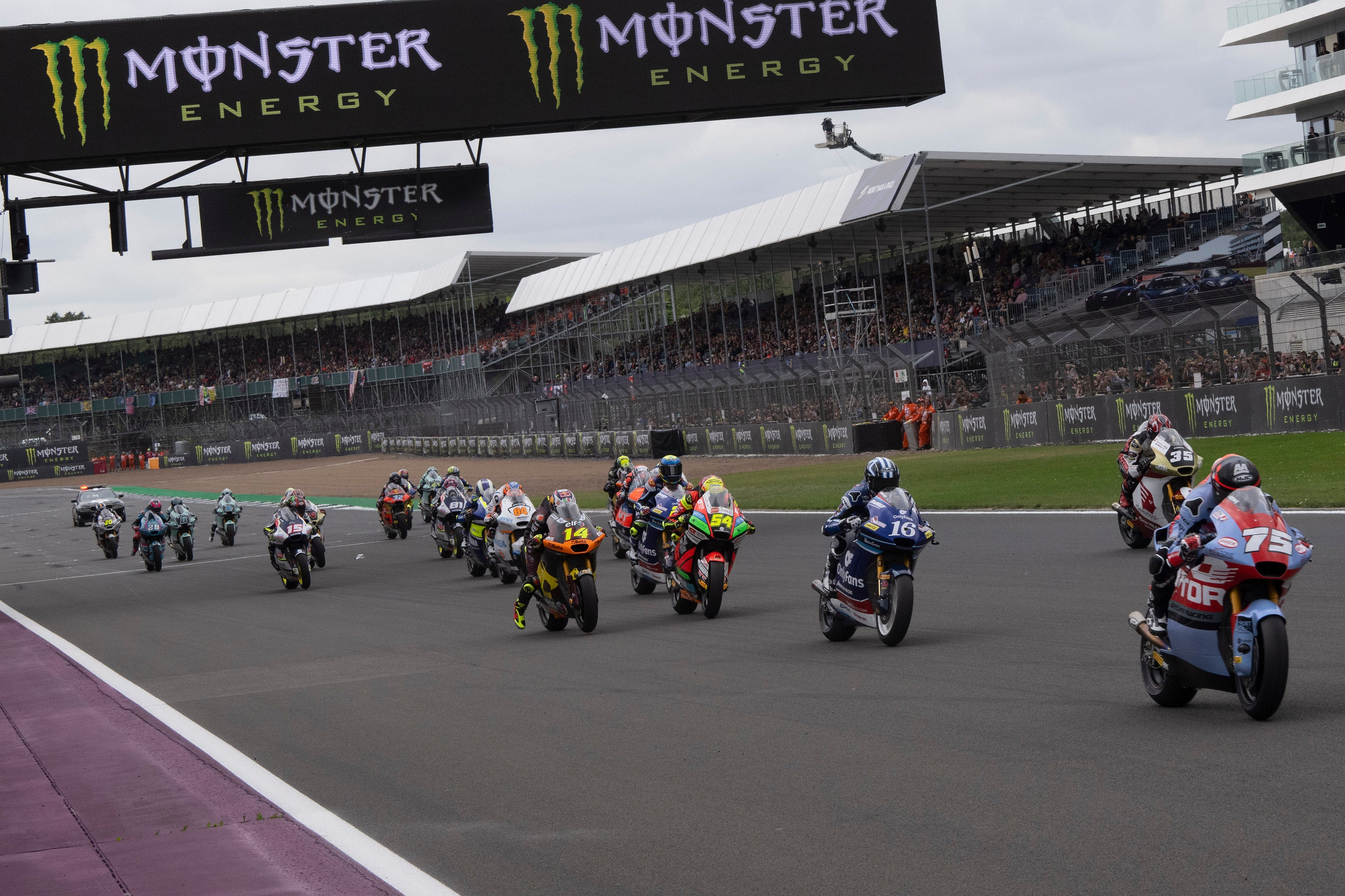
This weekend’s Silverstone event occupies an intriguing spot on the sporting calendar. After being moved from a late-May date last year, the race takes place on a weekend with minimal top-level sport across the country. On-site, Silverstone executives expect their largest crowd (around the 50,000 mark) since Valentino Rossi’s final year in 2021.
Yet while die-hard fans will scoff at comparisons, the scope for enlargement is obvious. A month ago, Silverstone attracted a world-record 550,000 fans to four days of action over the F1 weekend. The lack of a major free-to-air deal this weekend, with coverage solely on TNT Sports, feels like a missed opportunity too.
“It’s very difficult [to compare it to F1],” Steiner insists. “Is it better or worse? It’s just different.
“MotoGP doesn’t have to look exactly like what F1 is; they can write their own story. You do not have to copy and paste the racing or the commercial opportunities. F1 was big under Bernie [Ecclestone] but under Liberty, they gave it another spike. They can do the same now with MotoGP.
“Not everyone can be F1, which is around the second biggest worldwide sport now behind football. But… it can be very big.”
The room for expansion is obvious: not just the UK, but the USA (where there is currently just one race, at the Circuit of the Americas in Austin) and bike-mad India are two massive growth markets. Sixteen of the 22 full-time riders are from either Spain or Italy. Regardless, for the second year running, MotoGP will have a record-breaking calendar at 22 races, criss-crossing five different continents.
For the future? Carving the riders into front-of-the-camera personalities, with increased marketing and media opportunities, is a must. Deep-rooted rivalries between riders and team bosses would help too, in an ecosystem which is generally affable and warm. A fly-on-the-wall series to depict all this, à la Drive to Survive, feels like a no-brainer down the line.
Yet 100 years to the day since the first-ever British Grand Prix was held at Brooklands, the sport which goes by the mantra “half the wheels, twice the balls” has a real opportunity to expand and accelerate. The raw ingredients are there: daredevils risking it all for sporting theatre and glory. And once the eyeballs watch, they may not be able to resist looking away.