Big features, tiny price
The Moto G 2026 is the company's latest entrant in the budget smartphone market. It features a 6.7-inch HD+ display with a 120Hz refresh rate and is powered by the MediaTek Dimensity 6300 chipset. It has dual rear cameras, a 5200mAh battery with 30W fast charging support, and comes in two attractive colors.
Pros
- Higher 128GB storage capacity
- 50MP primary camera
- 32MP selfie camera
- Faster 30W charging support
Cons
- Slightly more expensive price
- HD+ display only
Unbeatable value in your pocket
The Moto G Play 2026 starts at an even more impressive price point but retains key features from the Moto G 2026, including the large display and IP52 dust and water resistance. It also has the same 5200mAh battery but offers slightly slower charging and a less capable camera setup.
Pros
- More affordable price point
- Same large 5,200 mAh battery
- IP52 rating
- 120Hz IPS LCD display
Cons
- Lower 64GB storage only
- Single 32MP rear camera
- Slower 18W charging
Despite the hype surrounding flagship smartphones launched in 2025 so far, and some of the upcoming ones too (looking at you, OnePlus 15), a significant market remains for budget Android phones. While there have been new additions to this segment, such as the Nuu B40 5G, which ships with a secondary OLED display on the back that not even flagship Android phones offer, Samsung and Motorola continue to dominate this space.
With Black Friday and the holiday season approaching, more people are looking to upgrade their phones this fall, and just in time, Motorola has introduced the new Moto G 2026 and Moto G Play 2026. Both smartphones continue to follow budget-friendly traits established previously, while incorporating new features to meet the expectations of users in 2025.
If you've been wondering about the key differences between these two Moto G smartphones and which one suits you better, let's see how they compare.
Moto G 2026 vs. Moto G Play 2026: Price, color, and availability
Motorola unveiled the new Moto G smartphones on November 4, 2025. Similar to the previous Moto G series phones, these models target the budget segment for users seeking the best value for their money.
The Moto G 2026 is the pricier of the two, starting at $200 in the U.S. It comes with 4GB of RAM and 128GB of internal storage. There's no higher storage option, but it's available in two beautiful Pantone colors: Slipstream and Cattleya Orchid. The phone isn't available for purchase right away, with sales in North America beginning on December 11, 2025.
The Moto G Play 2026, on the other hand, is the more affordable of the two and costs just $170. It will be available sooner, starting November 13, 2025, through Motorola's online store, other online retailers, and carrier outlets. The Moto G Play 2026 offers 64GB of onboard storage and, unlike its pricier sibling, comes in only one color: Pantone Tapestry.
Moto G 2026 vs. Moto G Play 2026: Design and display
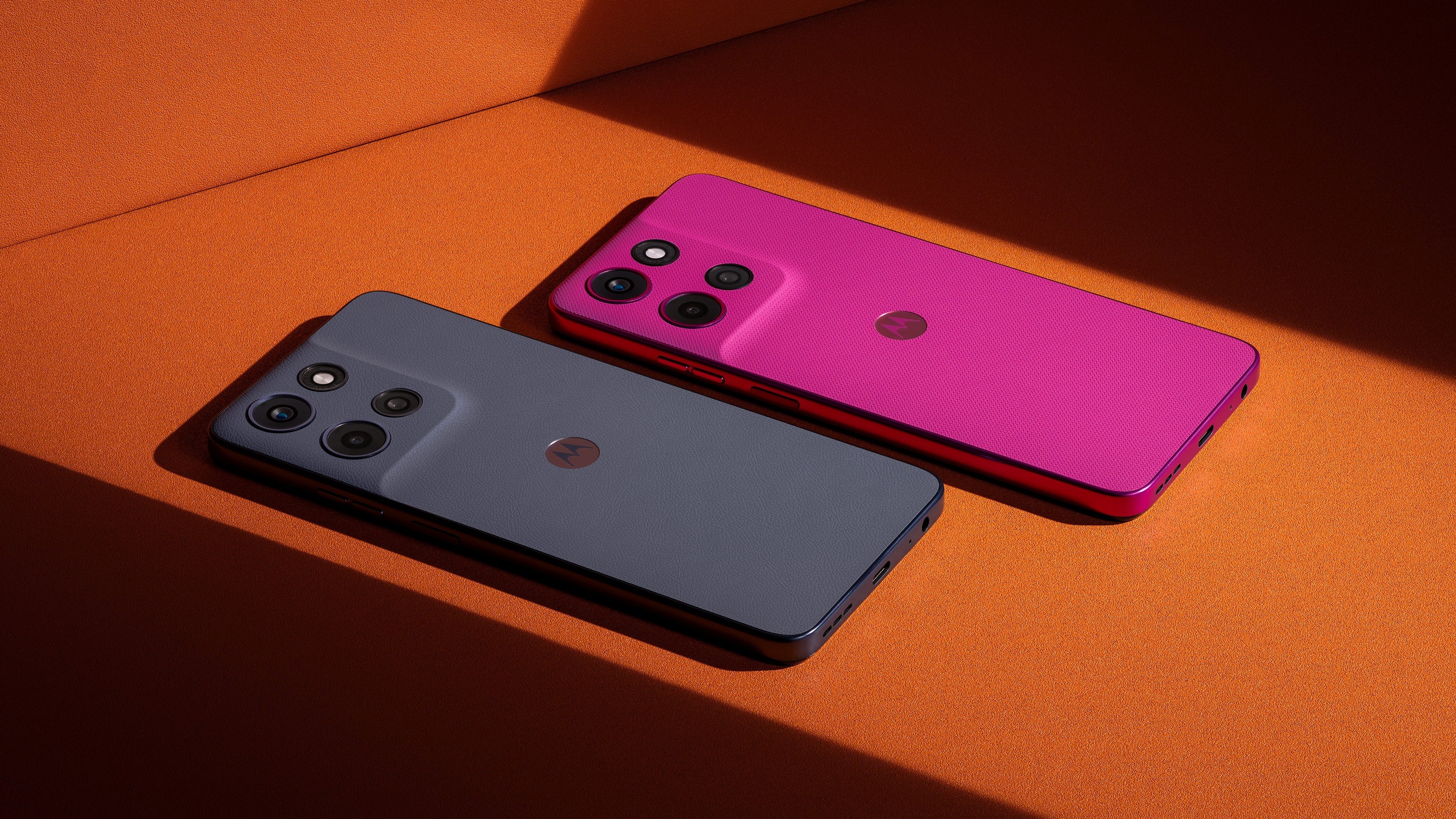
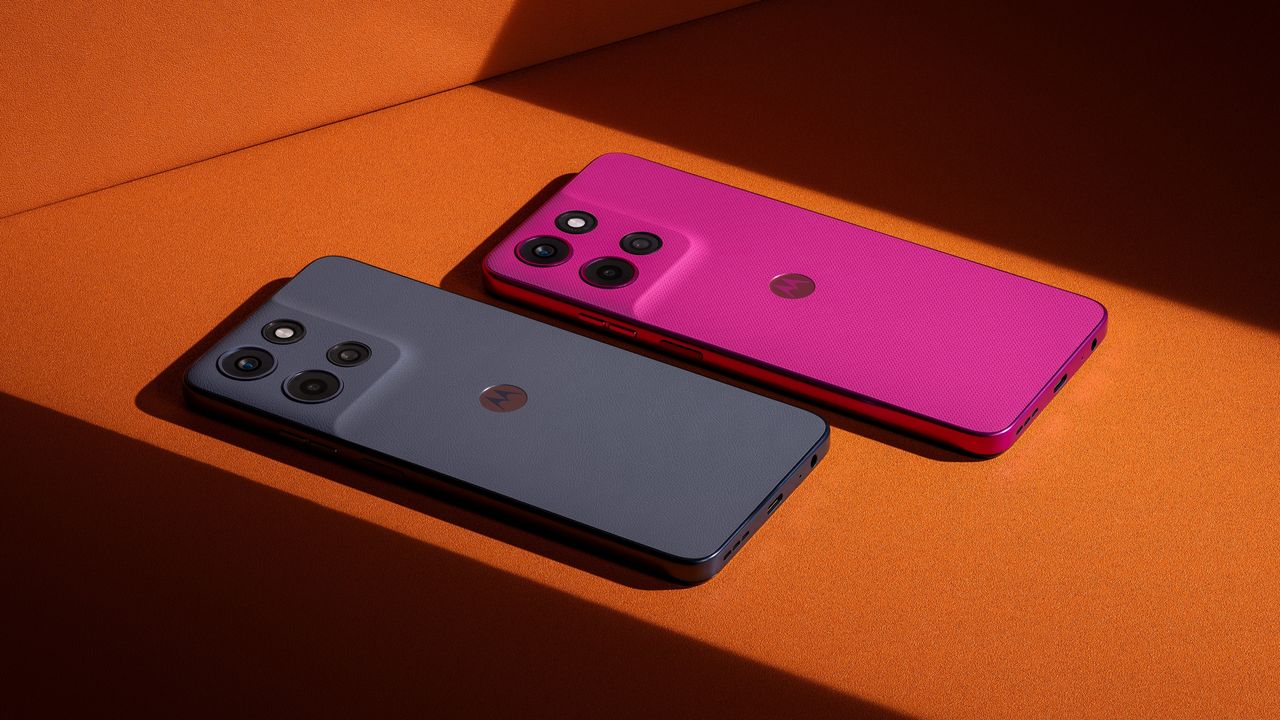
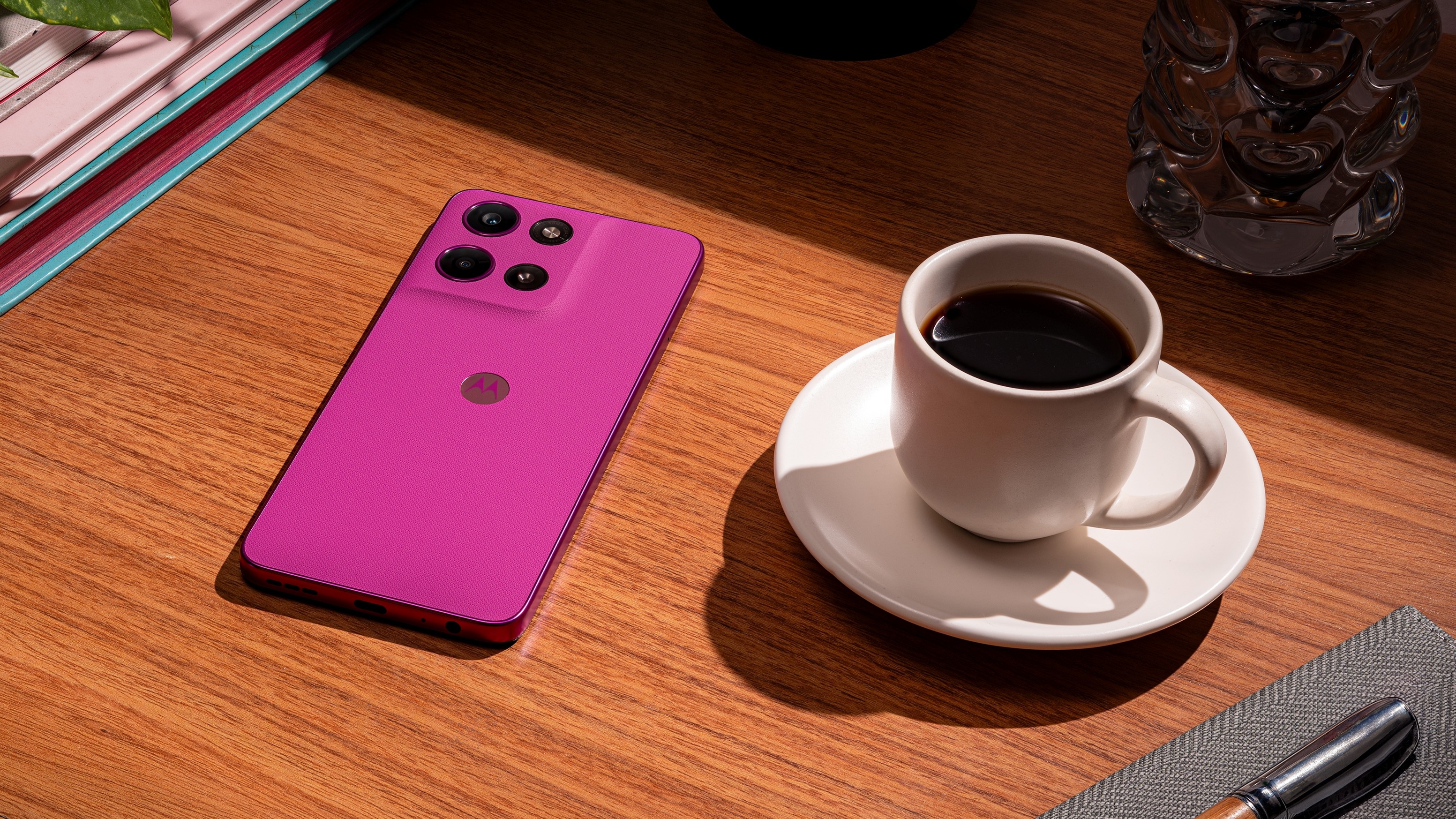
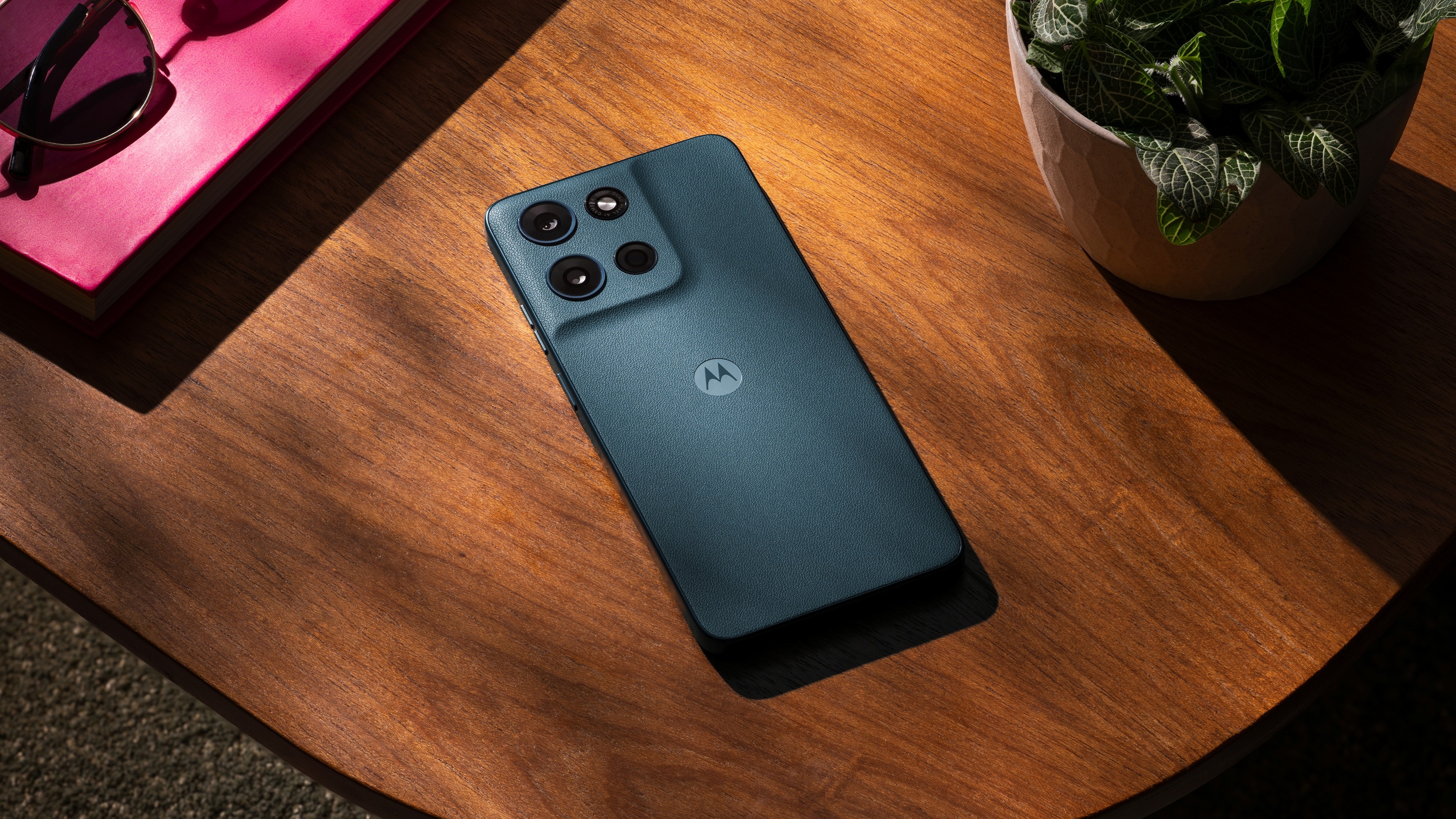
Motorola has settled into a consistent design language for its budget phones, and the new Moto G models are no exception. Both the Moto G 2026 and Moto G Play 2026 feature a similar design, characterized by a plain back, a slightly raised camera module that blends seamlessly into the rear panel, and the Motorola 'M' dimple in the center.
Design-wise, both smartphones appear nearly identical and share the same materials, including an eco-leather back and a plastic frame. They even share the same dimensions of 167.15 x 76.40 x 8.44 mm and weight of 202g. Both phones also have the same button placement with volume rocks and a power button on the right side of the phones, and a USB-C port and a headphone jack at the bottom.
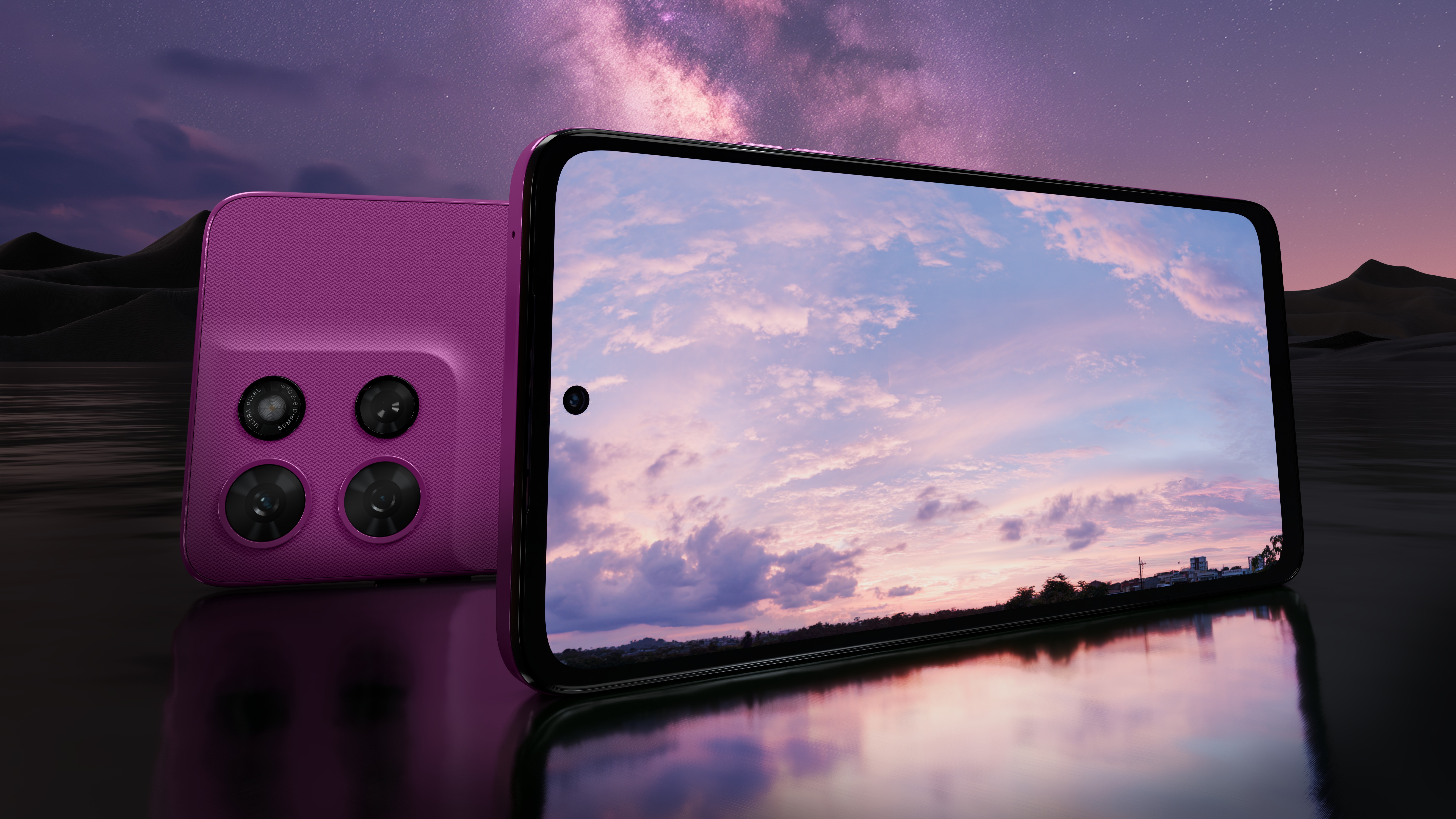
While the camera module may appear to house a triple-camera setup with a flash, the actual camera hardware differs between the two devices, but more on that later.
Overall, there are a few design differences, except for color options. The Moto G 2026 comes in a vibrant purple hue and a light bluish tone, while the Moto G Play 2026 is available only in a muted blue variant.
Although the design may seem a little plain and uninspiring, Motorola has prioritized practicality by equipping both phones with an IP52 dust and water resistance rating. While it's no match for the IP68 rating found on modern flagships, it's still reassuring to know your phone can handle light rain and splashes.
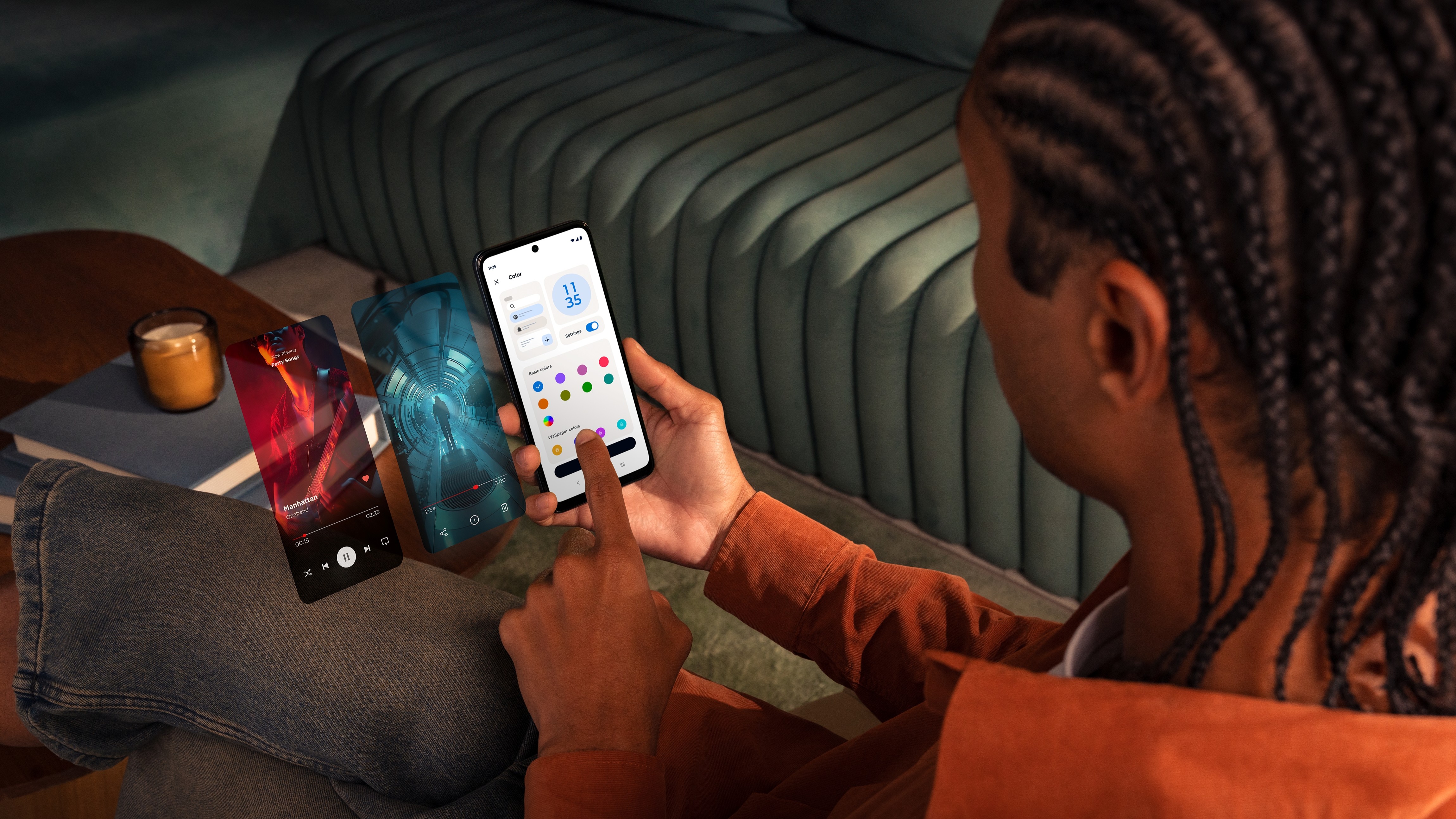
Moving to the front, both phones are similar here, too. Both Moto G models feature a 6.7-inch LCD display with HD+ resolution and up to a 120Hz refresh rate. The screens reach up to 1,000 nits of peak brightness, which, while not extreme, should ensure good outdoor visibility.
For protection, Motorola has used Gorilla Glass 3, which, although not as tough as the Gorilla Glass Victus 2 used in many modern high-end phones, is reasonable for the price.
Moto G 2026 vs. Moto G Play 2026: Hardware and specs
Moto G smartphones have never been known for top-tier processors, and the same applies here. Both the Moto G 2026 and Moto G Play 2026 ship with the MediaTek Dimensity 6300 chipset. For those unaware, the Dimensity 6300 is an octa-core processor featuring two Cortex-A76 cores clocked at 2.4 GHz and six Cortex-A55 cores at 2 GHz. The chipset is manufactured by TSMC using a 6nm process and is approximately a year old at this point. Graphics are handled by the Mali-G57 MP2 GPU.
It's not a high-end chipset that will blow you away, but it should handle daily tasks just fine. What's good, however, is that it brings 5G support to the Moto G Play series for the first time.
Motorola has used this chipset before in the Moto G Power 2025, and if things remain similar on the software side, performance should not "be as big of an issue as one might think," in the words of our own Derrek Lee.
Speaking of software, both the Moto G 2026 and Moto G Play 2026 come with Android 16 pre-installed. Motorola includes familiar features like Moto Secure, Family Space, and Gestures, while also including some AI tools such as Google Gemini and Circle to Search.
Motorola is promising two OS upgrades and three years of security updates for the devices, which should arrive simultaneously since both phones share nearly identical hardware.
Category |
Moto G 2026 |
Moto G Play 2026 |
|---|---|---|
OS |
Android 16 Two OS upgrades + three years of software updates |
Android 16 Two OS upgrades + three years of software updates |
Display |
6.7-inch LCD, 120Hz, 1604 × 720 (HD+), Gorilla Glass 3, 1,000 nits peak |
6.7-inch LCD, 120Hz, 1604 × 720 (HD+), Gorilla Glass 3, 1,000 nits peak |
Processor |
MediaTek Dimensity 6300 |
MediaTek Dimensity 6300 |
RAM |
4GB |
4GB |
Storage |
128GB, expandable up to 1TB |
64GB, expandable up to 1TB |
Rear cameras |
50MP main + 2MP macro |
32MP main |
Front camera |
32MP |
8MP |
Ingress protection |
IP52 |
IP52 |
Connectivity |
5G (sub6), Wi-Fi, Bluetooth, NFC, Dual SIM |
5G (sub6), Wi-Fi, Bluetooth, NFC, Dual SIM |
3.5mm Headphone Jack |
Yes |
Yes |
Security |
Fingerprint reader, Face unlock |
Fingerprint reader, Face unlock |
Battery |
5,200 mAh |
5,200 mAh |
Charging |
30W USB-C fast wired charging |
18W USB-C wired charging |
Dimensions |
167.15 x 76.40 x 8.44 mm; 202g |
167.15 x 76.40 x 8.44 mm; 202g |
Colors |
Pantone Slipstream, Pantone Cattleya Orchid |
Pantone Tapestry |
In terms of other internals, both models offer 4GB of RAM, which is expandable up to 12GB via the RAM Boost software feature. The main difference lies in storage: the extra $30 for the Moto G 2026 gets you 128GB of internal storage, while the Moto G Play comes with just 64GB. Both phones support microSD expansion up to 1TB, which should be plenty for most of your apps, photos, games, and videos.
When it comes to battery life and charging, both models feature a 5,200mAh cell, with Motorola claiming up to two days on a single charge.
The difference is in charging speed: the Moto G 2026 supports 30W USB-C fast charging, while the Moto G Play caps at 18W. This could result in noticeable differences in real-world use, but we'll need more testing to confirm. Neither phone supports wireless charging.
Moto G 2026 vs. Moto G Play 2026: Cameras
Moving on to the camera setup, this is one of the main differences between the two Moto G models. The pricier Moto G 2026 features a dual-camera system with a 50MP primary sensor (f/1.8 aperture, PDAF) paired with a 2MP macro sensor (f/2.5 aperture).
On the Moto G Play 2026, you only get a single 32MP rear sensor with an f/2.2 aperture, though it thankfully includes PDAF. The difference extends to the front cameras as well, as the Moto G 2026 sports a 32MP selfie shooter while the Moto G Play offers just an 8MP sensor.
Motorola promises "stunning results with minimal effort" from both phones, thanks to new AI enhancements, but we'll need to test both devices further to see how they perform in real-world conditions.
Moto G 2026 vs. Moto G Play 2026: Which should you buy?

All things considered, the new Moto G 2026 and Moto G Play 2026 are more alike than different. However, Motorola has introduced small but meaningful differences that make a noticeable impact in daily use.
The Moto G 2026 is designed for users seeking a higher level of polish and versatility in the budget segment, featuring slightly faster charging speeds, increased internal storage, and improved front and rear cameras. Meanwhile, the Moto G Play 2026 keeps things simple and affordable while still delivering a similar experience with the same battery and processor at a lower price.
Ultimately, if you're tight on budget, the Moto G Play 2026 will cover all your needs, but if you can stretch a little, the extra features on the Moto G 2026 make it worth the price difference.
Budget smartphone done right
For $200, the Moto G 2026 offers excellent features for the price. You get a fast and capable processor, a large OLED display with a 120Hz refresh rate, and Motorola's promise of all-day battery life with fast charging that rivals what you find on flagship phones today.
Affordable without compromise
For those seeking a simple, no-nonsense affordable phone, the Moto G Play 2026 delivers more than enough. It has the same processor, battery, and display as its pricier sibling, along with a capable rear camera and the same IP52 dust and water resistance.