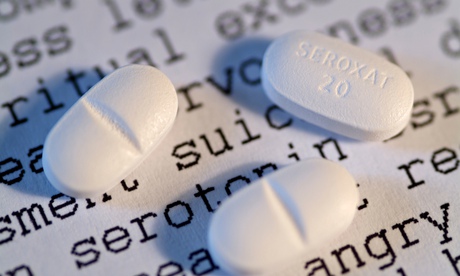
Police investigating the death of Charlotte Bevan are looking at whether she had stopped taking medication for a mental health condition so she could breastfeed her baby.
Deciding whether to stop or change medication can be one of the most difficult decisions pregnant and breastfeeding women make, say experts. They are often left to weigh up the impact that stopping their medication can have on their health with the unknown risk of the medication on their baby.
“Prescription drugs are often not licensed for use when pregnant or breastfeeding, which places doctors and pharmacists in a very difficult position,” said Rosie Dodds, senior policy adviser at the National Childbirth Trust. “All medical specialists can do is look at what drugs have been used around the world without untoward effects and balance the probabilities when prescribing it for their patient.
“Drug companies don’t have any incentive to research the effect of their products on babies in the womb or through breastfeeding. Pregnant women don’t even know if they should take aspirin, ibuprofen or paracetamol.”
Collating research from around the world would give a clearer picture of what drugs women have taken without apparent harm to their baby. But it would not give a conclusive answer: diethylstilbestrol was given to pregnant women from around 1940 to reduce the risk of miscarriage.
“To be able to give pregnant and breastfeeding women the information they need to make safe decisions, these studies need to follow families for many generations,” said Dodds. “It’s expensive and complicated but there’s really important work to be done.”
Janet Fyle, a professional policy adviser at the Royal College of Midwives, said she has seen new mothers who had been inaccurately told by doctors they must either stop breastfeeding or stop their medication. “By the time they find out the advice is wrong, it’s often too late to start breastfeeding again. The lack of specialists to properly advise women is a big issue which must be bought to the fore.”
Later this month, guidelines from the National Institute for Health and Care Excellence will call for better long-term research into post- and perinatal mental health.
But Ian Jones, professor of psychiatry and director of the National Centre for Mental Health at Cardiff University, said guidelines are not enough.
“For many medications we have little data on their safety for pregnant and breastfeeding women but even for medicines where there is a lot of data, it’s unclear what decisions women should make,” he added.
“For some antidepressive medications, there are thousands of studies but all they show is that there may be an indication of some small increased risk to the foetus. But even then, it’s unclear whether that risk is due to medication or other factors, such as the fact people with depression are more likely to be obese, drink more and have a bad diet.”
Jones points to lithium, a drug that has been used for more than 60 years on hundreds of thousands of people around the world suffering bipolar disorder. “There have been more than 200 cases of pregnant women in studies of lithium but we still don’t have a clear ‘cause and effect’ on pregnant women of taking the drug,” he said.
“Medical experts are reduced to holding up our hands when women ask us for advice, and telling them that we simply don’t know how this drug that’s been widely used for many decades could affect them. The only thing we can tell them is that there are serious and significant complications of stopping or changing medication.”