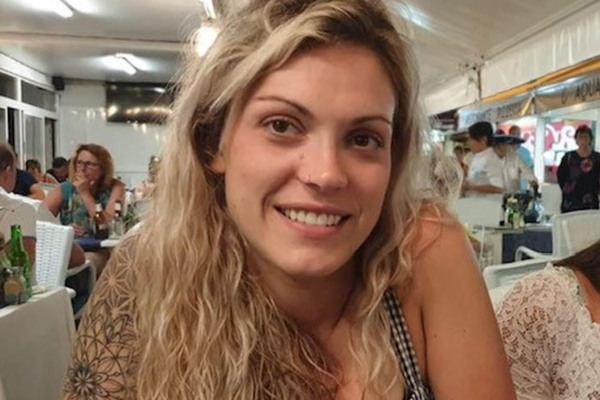
At her lowest point, Jan had a bag-a-day heroin addiction, and gave up her month-old son to her mother. Homeless and suffering postnatal depression, the 20-year-old became enmeshed in the underworld of drugs. Today her life is unrecognisable as she and her boyfriend, Pete, share a two-bedroom flat in Inverclyde, central Scotland, and relish bringing up a young family.
The transformation started 18 months ago when Jan discovered she was pregnant with her second child, and was persuaded to contact the town's Special Needs in Pregnancy Service (Snips). Set up two years ago, the service has been responsible for supporting dozens of pregnant women with complex needs, as well as effecting a dramatic reduction in the number of babies born prematurely and those going into care.
This remarkable achievement follows two years of joint working by NHS, social services and addiction services to provide an early focused intervention service to pregnant women with drug and alcohol problems. The need for such a service only became apparent when figures were published showing a rise in premature deaths in Inverclyde, one of the most deprived areas of Scotland. These rose from 6.3 per 1,000 deliveries in 2002, to 15.1 in 2003, and 18.7 in 2004.
Alarm at the figures highlighted the need for midwives to work with drug workers, social workers and family support staff to tackle the problem. It was decided to set up a service that would help all pregnant women with special social or psychological needs. Help would not only be targeted at those with drug and alcohol problems, but women who were suffering from family stress, mental health problems, domestic violence or who were very young.
The need for such a service coincided with a drive to address drug use and a new vision for children aimed at helping youngsters achieve their full potential. Within a few weeks Snips was born.
Today, on top of routine antenatal screening, priority referrals are made to drug services that offer detoxification or stabilisation programmes. Help is offered to addicts with withdrawal symptoms. Ways of managing stress are explored and midwives give lessons on parent-craft.
It is a striking feature of Snips that it has been set up at almost no extra cost. Existing resources and accommodation have been used for the service, based at the Rankin maternity unit in Inverclyde Royal hospital. Three extra staff give practical help that ranges from advice on benefits and grants to transport to and from hospital appointments.
As a result women with complex needs now have immediate access to a range of services. Drug users not in contact with drug services are fast-tracked into treatment, while the employment of family support workers has ended delays in social worker assessments, and reduced missed antenatal and hospital appointments.
There is no doubt the service has revolutionised care for pregnant women with complex needs. Potentially vulnerable babies are identified from six weeks of pregnancy, while women are offered a wide range of support throughout the term and for a minimum of four months after the birth. Support extends to parent-craft classes for women and their partners. At least six fathers have attended a special 14-week "Mellow Dads" course, picking up tips on feeding, sleep patterns and play.
For Jan and her partner Pete, the benefits of the service are obvious. Both are attending parenting classes, and eight months after giving birth to her second child Billy, Jan has almost kicked her drug habit, and is on a low dose of methadone. Pete is working, and the couple's three-year-old daughter Laura is back living with them.
SPONSOR: Care Services Improvement Partnership
WINNER
Inverclyde council
For its Snips early intervention service helping pregnant women with drug and alcohol problems
RUNNERS-UP
Eaves Housing for Women (Poppy Project)
For its service offering support and a safe haven for women trafficked into prostitution in the UK
RNID
For its scheme offering support to deaf people in their own homes, helping them integrate with their local community