The state of Idaho has been gripped by a mounting row after a senior police officer claimed politicians should not have got involved in creating a statewide system for tracking rape kits because many accusations are false.
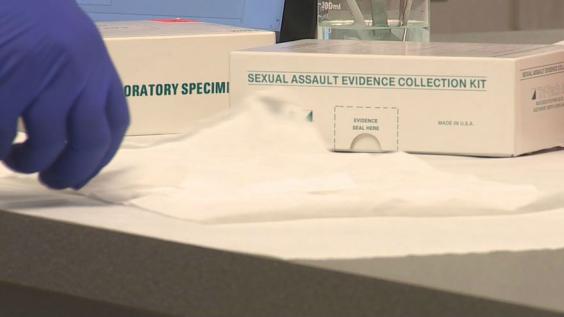
Rape kits contain samples of semen, saliva or blood taken from a victim during an examination. A bill passed by the state assembly now requires medical clinics to use such kits and send the evidence for DNA testing. the only exception would be unless the victim requests otherwise or law enforcement agencies get prosecutors' approval to not test the kits. The bill has been sent to the state's governor to be signed.
Yet a senior law enforcement official, Bingham County Sheriff Craig Rowland, told local media that the legislature should not have become involved in the issue.
“The majority of our rapes - not to say that we don’t have rapes, we do - but the majority of our rapes that are called in are actually consensual sex,” he told Idaho Falls TV station KIDK shortly before the bill was passed.
The sheriff’s comments have been roundly condemned, the criticism led by the state politician who introduced the bill, according to the Associated Press.
Melissa Wintrow, a Democrat from Boise, said the sheriff's remarks were harmful to women.
“Many times people are focused on a woman's behavior, and the victim's response,” she said.
“We should be thinking about what are we teaching men in this society. What are we teaching young boys and men about how we should not initiate or cross any physical boundary without consent.”
Ilse Knecht, policy and advocacy director for the Joyful Heart Foundation, said the officers comments were part of a larger problem of law enforcement harbouring unfair skepticism of victims of rape more so than other crimes.
“It’s hard to know if a claim is false if the kits don’t get tested,” she said. “Each one of these kits represents a survivor. We need to take their claim seriously, treat them with respect and use the evidence.”