Hamlet (Hamlet, William Shakespeare)
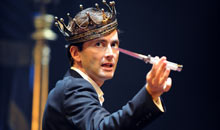
To be or not to be; to kill or not to kill; to plump for the green silk doublet or the slashed pink hose … forget Denmark, this guy is the prince of prevarication. Reading Hamlet is like spending five hours listening to your mum decide between the pollo nostrana and the pollo verdure in Pizza Express, but with added syllables. The man himself has given generations of bedroom-dwelling, navel-gazing and parent-hating teenagers the excuse that they are 'poetically tortured souls'. They're not. They're just irritating teenagers, and so is he. Help topple an icon and click here to hamstring Hamlet.
Beth March (Little Women, Louisa May Alcott)
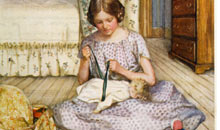
Characters who insist on dying in protracted and over-sentimental ways are always a major literary pain. Dickens's Little Nell was a close contender for the irritating doomed innocent slot in our poll, but Beth wins out for also being pretty, a pianist, and a fan of dolls and cats. If she had to die nobly, she could at least have been viciously mugged on one of her charitable food runs, but no, she has to slowly expire being pious and brave and dull. Women should never be little, and Beth is the littlest of them all. Kill her reputation here.
Dr Watson (Adventures/Casebook of Sherlock Holmes, Sir Arthur Conan Doyle)

Totally repressed, sickeningly humble and quite obviously gay, John Watson narrates these stories about his best chum Holmes in the style of an overeducated and pedantic fanboy. Hopelessly in love - his accounts are littered with panting descriptions of Holmes's throbbing genius – Watson hilariously over-compensates by claiming "an experience of women which extends over many nations and three separate continents". If you too wish that poor, sad John would give up the façade and give in to his desire to batter Holmes to death in a fit of lovelorn rage and make a cloak from his skin, click here.
Emma Woodhouse (Emma, Jane Austen)
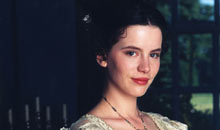
Emma Woodhouse is the girl you hated at school: the princess always ready with a pithy put-down to make her admirers laugh. Her sharp tongue may be intended to reflect her independence of spirit in a conformist world, but Emma isn't even a great anti-heroine; innocent Harriet Smith, earnest Jane Fairfax and foolish Miss Bates are pathetically easy prey and her last-minute regrets and reparations feel entirely false. At least Austen has the honesty to admit that bitches are indeed the ones that end up with the rich bloke, the fancy house and the big barouche. Register your disgust here.
Lemuel Gulliver (Gulliver's Travels, Jonathan Swift)

Why must Jonathan Swift conduct us through his magnificently magical realms in the company of a weak-willed emotional schizophrenic? Lemuel Gulliver is what happens when a character becomes a plot device; Swift continually changes Gulliver's mood and attitude with each contrasting section of the book, so that his protagonist can embody the prejudices of whichever viewpoint he wants to satirise. Moreover, Swift decides that the rich and provocative experience of all these incredible adventures would ultimately produce a reclusive and judgemental misanthrope who only talks to horses. Click here to vote Lemuel our biggest waste of literary space.