Ethiopia's state agriculture minister said on Tuesday a majority of farmers in the Tigray region were planting crops on time, after the United Nations warned of famine in the area following conflict that has displaced more than two million people.
"Current information indicates that 70% of the farmers have started their farming to cover long season crops like sorghum and maize," Sani Redi Ahmed told a news conference in the capital Addis Ababa.
The federal government also expects a "significant portion" of farmers who fled the fighting to return to their land in the next month, he added.
However, planting remains delayed in 15 of Tigray's 61 districts in northern parts of the region, Ahmed said.
An official from Ethiopia's National Meteorological Agency told the same news conference that it forecast normal and above normal rainfall throughout Tigray during the approaching rainy season, another positive sign for the next harvest.
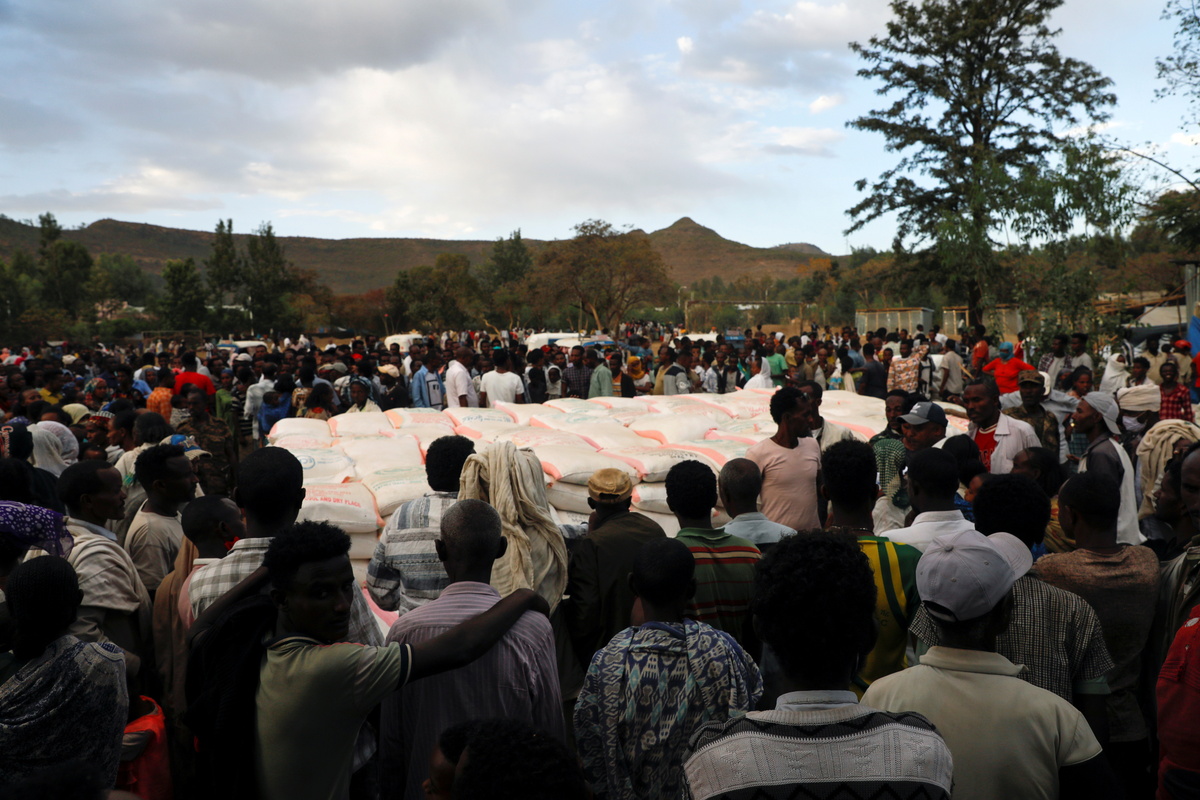
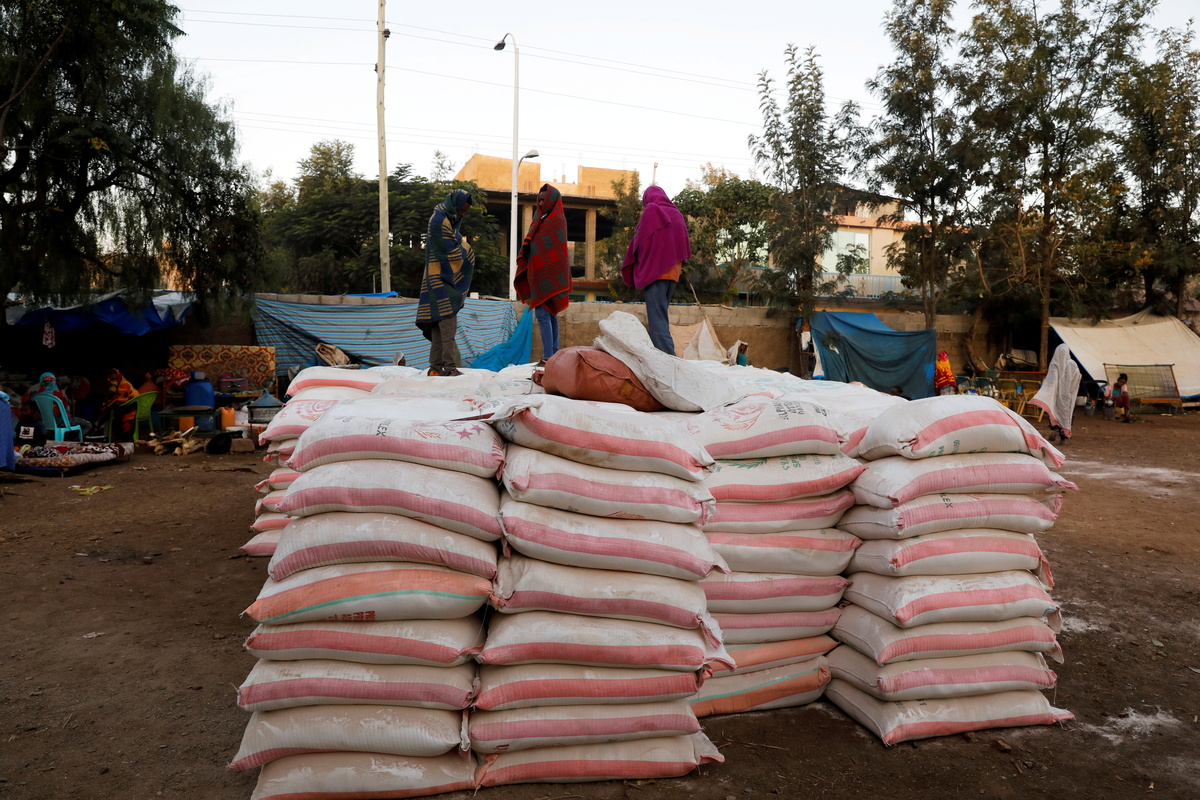
Their analysis contrasted sharply with one published by U.N. agencies and aid groups last Thursday that said more than 350,000 people in Tigray were suffering famine conditions, with millions more at risk.
Prime Minister Abiy Ahmed's office said in a statement later on Tuesday that Ethiopia's strong agricultural production and economic growth in recent years ensured that the country could withstand the "food gap" in Tigray and other areas of the country currently experiencing conflict.
"Thus, the famine that occurred in 1984 could not be comparable with the current food gap in Ethiopia, especially in Tigray," it said, referring to a disaster caused by drought and conflict that killed up to one million people in the mid-1980s.
The United Nations' top humanitarian official, Mark Lowcock, told Reuters last week that Eritrean soldiers and local fighters in Tigray were deliberately blocking supplies to more than one million people in areas outside government control. "Food is definitely being used as a weapon of war," he said.
Tigrayan officials have also said that Eritrean soldiers are blocking farmers in some areas from planting crops.
Fighting since November between Ethiopia's government and the region's ousted ruling party, the Tigray People's Liberation Front, caused farmers to abandon their fields just before the main harvest. Each side blamed the other for the outbreak of fighting.
(Reporting by Ayenat Mersie; Writing by Maggie Fick; Editing by Gareth Jones)