
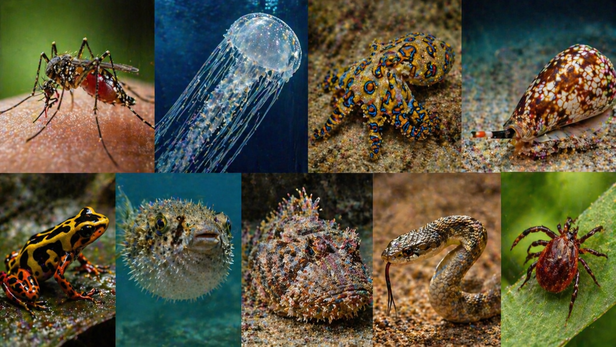
When people think of dangerous animals, the mind usually goes to obvious predators. Large cats, sharks, or venomous snakes dominate the imagination. But in reality, some of the most dangerous animals are not the ones that look threatening. They are small, familiar, or even seemingly harmless. What makes these creatures truly dangerous is not aggression or size, but efficiency. Many of them rely on venom, parasites, or silent transmission of disease. Their impact is often invisible at first, and that is exactly why they are underestimated.
Mosquito
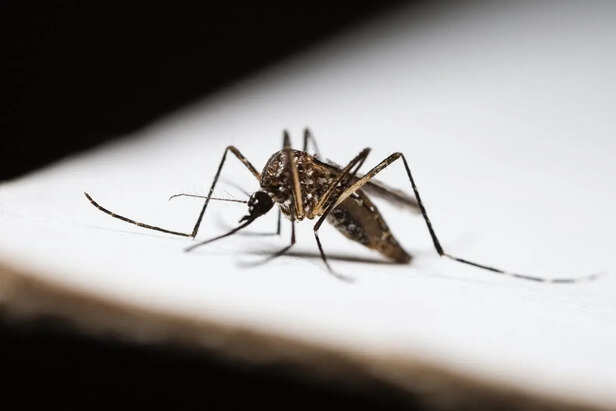
The tiny mosquito is widely considered the deadliest animal on Earth, not because of its size, but because of what it carries. When a mosquito feeds, it can transmit diseases such as malaria, dengue, and Zika. These infections affect millions of people every year and have shaped human history in profound ways. The danger lies in how easily mosquitoes blend into daily life. A single bite can go unnoticed, yet it can introduce pathogens that affect the entire body. What makes mosquitoes especially dangerous is their reach. They exist in vast numbers, adapt quickly, and thrive in environments close to human habitation. Their impact is not dramatic in the moment, but devastating over time.
Box Jellyfish
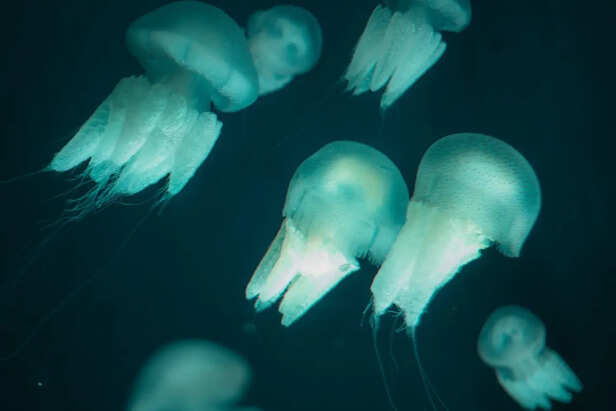
The box jellyfish appears delicate and almost invisible in the water, but it carries one of the most potent venoms in the animal kingdom. Its tentacles are covered with microscopic stinging cells that release toxins on contact. These toxins can affect the heart, skin, and nervous system simultaneously. In severe cases, the reaction can be rapid and overwhelming. What makes the box jellyfish particularly dangerous is how difficult it is to detect. Swimmers may not see it until contact has already occurred. Its lethality lies in its invisibility and speed.
Blue-Ringed Octopus
Small enough to fit in the palm of a hand, the blue-ringed octopus is often mistaken for a harmless marine creature. But its venom contains tetrodotoxin, a powerful neurotoxin. When threatened, it displays bright blue rings as a warning. If contact occurs, the toxin can interfere with nerve signals, leading to paralysis. One of the most alarming aspects is that the victim may remain conscious while losing the ability to move or breathe. Despite its size, its biological efficiency makes it one of the most dangerous creatures in the ocean.
Cone Snail
At first glance, the cone snail looks like an ordinary seashell. It moves slowly and appears completely harmless. However, it is a highly specialised predator that uses a harpoon-like structure to inject venom into its prey. This venom contains a complex mixture of toxins that disrupt nerve communication. In humans, exposure can lead to rapid symptoms that affect movement and breathing. Because there is no universal treatment for all species, the outcome depends on the level of exposure and immediate care. Its danger lies in the fact that people often pick it up without realising what it is capable of.
Poison Dart Frog
Bright, colourful, and almost beautiful, poison dart frogs are a classic example of how nature uses warning signals. Their skin contains potent toxins that can deter predators instantly. In the wild, these toxins come from their diet, making them highly specialized in their environment. While they do not actively attack humans, contact can transfer toxins that interfere with nerve and muscle function. Their vibrant appearance may attract curiosity, but it is also a signal to stay away.
Pufferfish
The pufferfish is often associated with culinary delicacies, but it contains tetrodotoxin in its body. This toxin affects the nervous system and can lead to paralysis if consumed improperly. What makes it dangerous is not aggression, but chemical potency. The fish does not need to attack to pose a risk. Its defense is built into its biology.
Stonefish
The stonefish is a master of camouflage, blending perfectly with the ocean floor. It often looks like a rock or piece of coral. Its dorsal spines contain venom that is released when pressure is applied, such as when stepped on. The result can be immediate and intense pain, along with systemic effects in severe cases. The danger is not in chasing or attacking, but in being unnoticed until contact occurs.
Inland Taipan
The inland taipan is one of the most venomous snakes in the world, yet it is rarely seen and not naturally aggressive. Its venom is highly efficient, affecting blood clotting, muscles, and nerves. The reason it is underestimated is its behavior. It avoids humans, which creates a false sense of safety around the environments it inhabits. Its danger lies not in frequency of encounters, but in the potency of its venom when those encounters occur.
Tick
Ticks are small and often overlooked, but they can transmit a range of diseases through their bite. They attach quietly, feed slowly, and often go unnoticed until they have already transmitted pathogens. Their impact can range from mild irritation to serious illness, depending on the species and region. What makes ticks particularly dangerous is their ability to remain undetected for long periods while affecting the host.
The deeper truth about underestimated danger
These animals reveal an important pattern. The greatest dangers in nature are not always visible or dramatic. They are often subtle, quiet, and efficient. Humans tend to assess risk based on appearance, size, or immediate threat. But nature operates differently. It rewards precision, adaptability, and biological efficiency.
Why awareness matters more than fear
Understanding these animals is not about creating fear, but about recognizing reality. Most of these species do not seek human interaction. Encounters are rare and usually accidental. Awareness allows people to respect boundaries, avoid unnecessary risks, and appreciate the complexity of the natural world without misunderstanding it.
The final perspective
The animals humans underestimate are not the ones that chase or roar. They are the ones that go unnoticed. Their power lies in how little attention they attract, how quickly they act, and how easily they blend into the world around us. And that is what makes them truly dangerous.
Celebrate the bond with your pets, explore Health & Nutrition, discover Breeds, master Training Tips, Behavior Decoder, and set out on exciting Travel Tails with Times Pets!