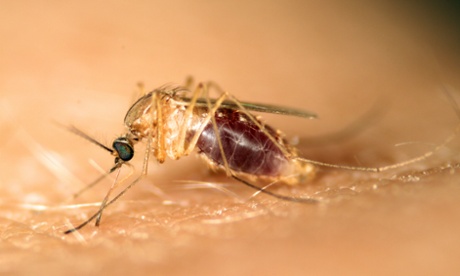
Those bites you got at last night’s barbeque? They’re not entirely random. Mosquitoes are attracted to a variety of chemical compounds, meaning your body type, activity level and even what you’re drinking have an effect on whether or not you’ll end the day with zero bites or five.
Besides carbon dioxide (CO2), which they can detect from more than 50 feet away, mosquitos are more attracted to active people because they release a greater amount of chemical signals through their perspiration than sedentary people do. Larger people also put out more of these signals, making them easier targets. Other major draws include body heat – heat sensors in mosquitoes’ mouths help them track sources of warm blood – and the odor of lactic acid excreted through skin. Additionally, recent research suggests the insects may prefer those who’ve had a couple of beers.
Since you’re not going to stop breathing out CO2, read on for six ways to deter mosquitoes from eating you for dinner.
1. Use Deet
The most effective mosquito repellents include those with diethyltoluamide, commonly known as Deet, according to the US Centers for Disease Control. Spray repellents come with varying Deet percentages; longer-lasting ones contain more of it. Sprays with picaridin and oil of lemon eucalyptus are also recommended. Pregnant women and young children should consult a doctor before using these repellants, and babies younger than three months should not be treated, according to the European Centre for Disease Prevention and Control; those infants should instead be protected by netting when possible.
2. Beware plant-based protection
Some people will insist on taking a more natural route when attempting to ward off mosquitoes. But most plant-based protectors are less effective than the recommended Deet sprays – if at all. The Environmental Working Group, the clearinghouse for information on potentially toxic products, warns that these products, which typically don’t undergo any regulatory testing for effectiveness or safety, may contain highly concentrated allergens. “Consumers have no assurance that the product actually works,” the EWG wrote in a recent paper on repellants. The organization recommends “oil of lemon eucalyptus/PMD, which has been registered with the EPA and undergone efficacy testing”. PMD refers to p-menthane-3,8-diol, or menthoglycol, found in eucalyptus essential oil.
3. Loosen up
While sprays, oils and candles get a lot of attention on grocery aisle shelves, one simple thing you can do to avoid bites is to wear loose-fitting, long-sleeved shirts and pants. Light colors are also advised, as darker clothes soak up and retain more heat. Socks under sandals may be a fashion faux pas, but given mosquitoes’ special fondness for those with sweaty feet, we’d recommend going all out on this one. And wrap a bandana around that exposed neck.
4. Patrol puddles
Female mosquitoes need standing water to deposit their eggs – up to 250 of them at a time. It doesn’t take much: neglected dog bowls, small puddles or water collected by old tires can serve as breeding grounds for larvae that can transition to a buzzing menace in as little as one week. You’ll need the help of your neighbors to make this work, but make no mistake – standing water is enemy No 1. For features you intend to keep for wildlife or the pleasure of hearing water tinkling in your garden, buy mosquito “dunks” containing a natural insecticide that is safe for fish, wildlife and humans but fatal to mosquitoes. Or buy some mosquito fish from your local aquarium to gobble up the larvae.
5. Watch out for bug zappers
That glowing ultraviolet light from your bug zapper may look cool and the crackling sounds may even convince you it’s keeping you safe. Unfortunately, all those marketing promises may not deliver. These electrical devices actually lure far more beneficial insects than mosquitoes. One study found that only 0.2% of insects killed by the devices were biting insects. Nearly half were nonbiting aquatic insects and 13.5% were insect predators. Worse, bug zappers may even draw mosquitoes from surrounding areas – and they can turn and seek out the source of that alluring CO2 you’re breathing out.
6. Bed nets
While mosquitoes that feed during the day may be becoming more common, most feed during dawn and dusk. While you may want to avoid being outside during these times, it’s not practical for most people. At bedtime, however, bed nets can help keep mosquitoes away. In epidemic-prone regions, nets treated with insecticides have proven effective at preventing disease. The World Health Organization recommends that everyone living in areas with high incidences of malaria use long-lasting insecticide-treated bed nets.
Copy on this page is brought to you by SC Johnson, sponsor of An apple a day series and the values-led business hub.