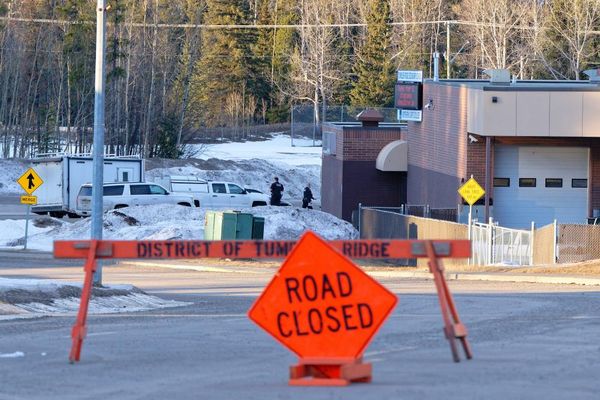
New, deadly fighting has broken out in Myanmar's most troubled state. It's not the army and police attacking defenceless Rohingya this time, but the Arakan Army (AA), a Buddhist force demanding greater regional autonomy. The Arakan Army renewed its decades-old "war" on the central government last year. On Friday, in the most deadly attacks admitted by the Nay Pyi Taw government to date, the AA attacked four Rakhine province police posts. They killed 13 policemen, wounded nine others and apparently suffered no casualties.
Tatmadaw (army) forces rushed to the fighting as reinforcements appear to have been no immediate help but were pursuing the AA. Villagers near one police post have told government media that when the army attacked the Arakan Army by helicopter, AA guerrillas entered the village to take shelter. When the Buddhists finally pulled back from their raids, they took with them 14 "prisoners of war". These were nine policemen, four of the men's wives and an immigration employee.

To rub salt into the government's wounds, the AA timed their latest attacks for the country's Jan 4 Independence Day, the 71st anniversary of the final departure of British colonialists, which is marked or celebrated nationwide. The Arakan Army's spokesman, Khine Thu Kha, said the attacks occurred because, "We [Arakan Buddhists] are not independent yet. Today is not our Independence Day".
As when tatmadaw forces attacked the Rohingya, no independent media have been allowed in to assess or report the latest problem for Aung San Suu Kyi and her government. But the reports from official government mouthpieces are harrowing enough. As with the Muslim Rohingya, the army seems to have taken full-blown retaliation on Buddhists who might be sympathetic with the AA, or unfortunate enough to be in AA-friendly "red areas" in the paths of the always ruthless Myanmar army.
The attacks mark the latest upsurge in fighting against ethnic armies all around Myanmar. Ms Suu Kyi has held ceremonial talks with most of the leaders of the regime's ethnic enemies or opponents. She has succeeded in bringing cease-fires to some areas. Talks in two key areas have failed so far: the AA in Rakhine, next to Bangladesh, and the Karen in some areas abutting Thailand.
The Rakhine unrest is particularly brutal. The hugely incomplete reports from the docile government-controlled press indicated that just the past month of fighting between the tatmadaw and the AA has displaced thousands of civilians. This indicates widespread killing and instability.
The ethnic cleansing and genocide-like treatment of Rakhine's Rohingya left the impression of largely militant Buddhists egging on the tatmadaw to ever-greater atrocities against the Muslims. That is not so. The anti-government AA has no interest in the crackdown that sent 700,000 Rohingya into Bangladesh as, arguably, the world's worst-treated, poorly supported refugees. The AA's fight, like many ethnic armies, is for more autonomy from the central government.
Ironically, the new upsurge of killing and ethnic violence comes at a time when progress is reported on the problem of the Rohingya. There is strong international pressure on Myanmar to repatriate the Rohingya. In principle, the Suu Kyi government has agreed. But there are problems in taking the Muslims back. Last month, diplomats reported steps by the Myanmar regime that could sink repatriation efforts. Rebuilt Rohingya villages have been given to Buddhists. Current government plans are to squeeze all returning Rohingya into four Rohingya-only "settlements", fenced off from the rest of Rakhine.
Ms Suu Kyi recognises that the tatmadaw's "solutions" to ethnic problems are unacceptable. But she has failed to come up with alternatives, nationwide and especially in Rakhine. Myanmar clearly requires a stronger and more skilful leader.