Non-violent former felons in Florida could soon be allowed back on voter rolls after activists there cleared a major hurdle to change the state’s constitution.
The Voting Restoration Amendment, which is expected to be put on the ballot for the midterm elections, would automatically restore voting rights to citizens who have been convicted of non-violent crimes, and who have served their sentences, parole, and probation.
The measure would need to gain 60 per cent of the vote in November, and could impact over 1.5m people.
The constitutional amendment is seen as having the potential to drastically reshape politics in the Sunshine State — a perpetual battleground in presidential elections with a good chunk of electoral college votes to give.
There are 1.7m Florida citizens who are currently barred from voting in the state, which has some of the strictest felon disenfranchisement laws. That figure represents about one in four African Americans there.
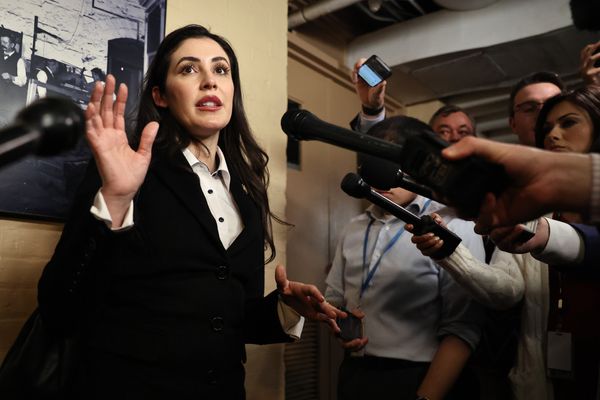
“Knowing that we’ve actually sent in over a million petitions and that people have answered the call to have a more inclusive democracy is just overwhelming,” Sheena Meade, the organising director for the Florida Rights Commission — which spearheaded the petition drive — told Think Progress. “People never thought we would get to this place, and now it’s actually here.”
The US, which has the highest incarceration rates in the world, prevents one out of every forty adults because of previous felony convictions, or 2.5 per cent of all voting aged individuals, according to the Sentencing Project, a group that campaigns for criminal justice reform.
That disenfranchisement is bolstered by strict states like Florida, where former convicts can only begin voting again if they apply for and receive clemency from the governor’s office. Only Florida, Kentucky, Virginia, and Iowa have similarly strict laws on the books.
The measure has bipartisan support in Florida, even though people with prior criminal convictions tend to vote Democrat. A 2016 analysis estimated that restoring voter rights to former convicts could bolster Democratic voter rolls by nearly 260,000 voters, Republican voter rolls by nearly 47,000 voters, and add another 85,000 independent or third party voters.