LONDON (Reuters) - The world's biggest oil and gas producers are under unprecedented pressure to cut their reliance on energy revenues, as advances in fuel efficiencies and electric vehicles threaten to undercut demand and erode their finances, the International Energy Agency said on Thursday.
It warned that inaction or unsuccessful efforts to diversify sources of income would compound the risks facing both producer economies and global markets.
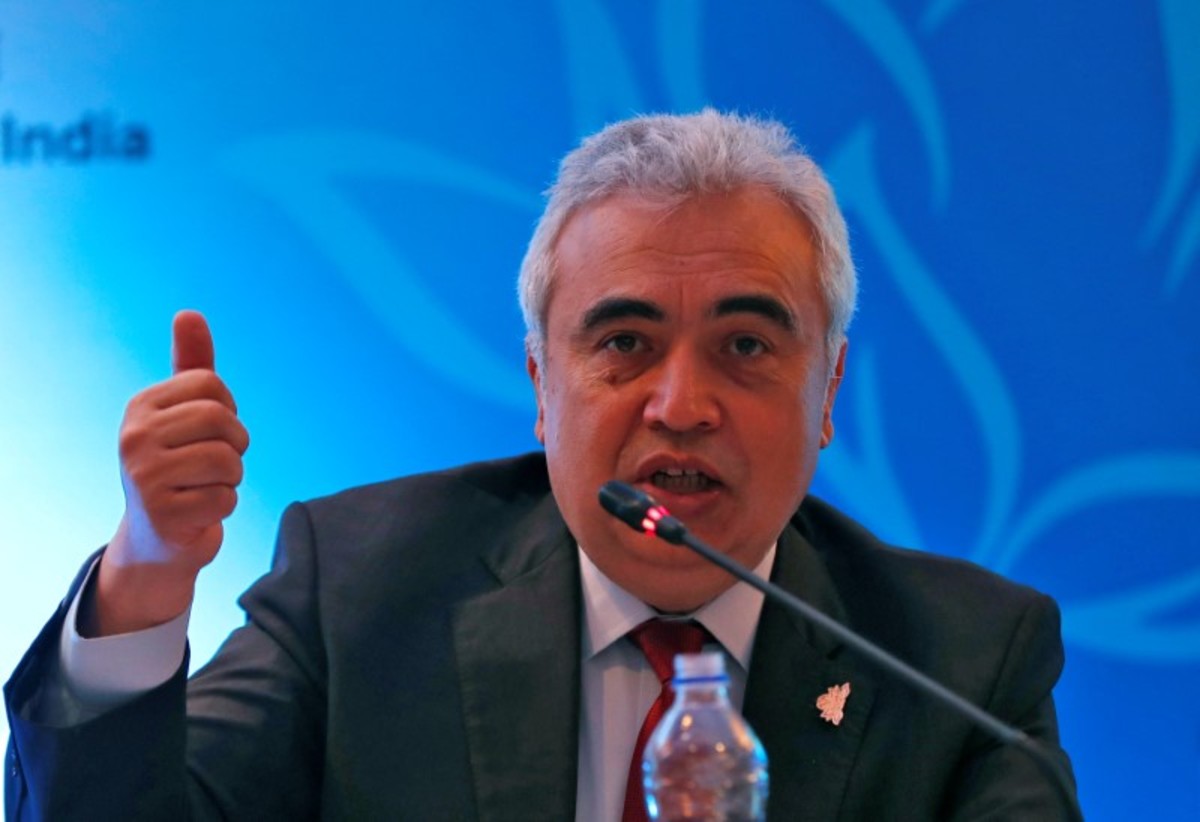
"More than at any other point in recent history, I believe there needs to be fundamental change in the development models of those countries," IEA director Fatih Birol said.
Structural factors such as the boom in U.S. shale oil production, which is taking market share from rivals such as Saudi Arabia or Nigeria on the supply side, and efforts to reduce fossil fuel use to slow climate change on the demand side, are already putting oil producers' budgets under pressure.
Birol said that at an oil price of $80 a barrel, oil and gas revenues for these countries were on average around $1,800 per capita per year. But that with shale coming into the picture and demand developments such as new technology and efficiencies, that could fall to $1,250 by 2030, a 30 percent drop.
"When we look at these countries, on average they get more than 70 percent of their government revenues from oil and gas," he said. "Those are under pressure from prices, they are under pressure from the amount of oil they export and under pressure from population growth ... We think it is very different from the past."
The IEA's special report focuses on producing countries where oil and natural gas make up at least one third of all exports and revenues contribute at least one third of total fiscal revenue.
The IEA said it looked in particular at Iraq, Nigeria, Russia, Saudi Arabia, the United Arab Emirates and Venezuela.
The agency, which advises western governments on energy policy, sees oil demand growing by 10 percent to more than 106 million barrels per day by 2040 under its "New Policies Scenario", and natural gas demand increasing by over 40 percent to 5,400 billion cubic metres in the same period.
"The risks multiply in a lower oil price environment. In a case in which oil prices settle in a $60-70 a barrel range, net oil and gas income never recovers to 2010-15 levels, leading to a cumulative $7 trillion loss in revenue over the period to 2040 compared with the New Policies Scenario," the IEA said.
Birol said Middle East exporters in particular could work towards cutting their domestic consumption of crude oil.
"In the Middle East, they use around 2 million bpd of oil every day to generate electricity and economically, this is very inefficient to say the least," he said. "This is like using (luxury) perfume to run a car."
The agency said successful reforms would have multiple implications for energy markets and for efforts to reach global environmental goals.
"There is much at stake," it said.
(Reporting by Amanda Cooper; Editing by Kirsten Donovan)