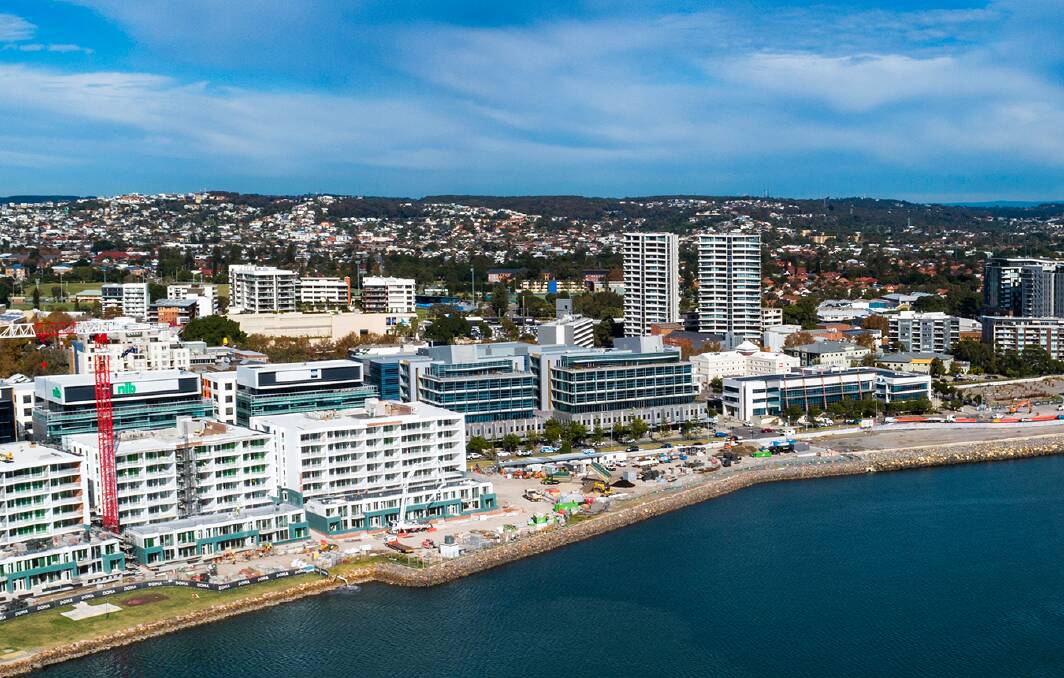
BIT by bit, block by block, building by building, the light-rail driven transformation of the Newcastle CBD has turned a once tired and dilapidated strip into a reasonable approximation of a modernised and attractive city centre.
Even if, thanks to COVID, it's much quieter right now than it should be.
The light rail had been introduced, controversially, as a way of rejuvenating an unarguably tired Newcastle, but the year-and-a-half construction period drove a number of Hunter Street businesses out of the city.
There was little time for things to pick up between the opening of the light rail in February 2019 and the onset of COVID restrictions in March 2020.
Whatever happens after COVID, the CBD is a far too attractive spread of real estate for its many vacant buildings to stay empty for too long.
Things will bounce back.
They must, because the hundreds of millions of dollars spent on revitalising Newcastle were not disbursed solely for the enjoyment of those fortunate enough to be living in the city centre.
And they are fortunate.
Inner Newcastle is a geographical oddity: a business district with a spectacular harbour, iconic ocean beaches and the heritage distinction of The Hill all within walking distance.
The modernised CBD is increasingly characterised by high-rise residential development, and while inner city residents have rights, they should also remember that a city centre, by cultural norm, is open to everyone, not only those who live there.
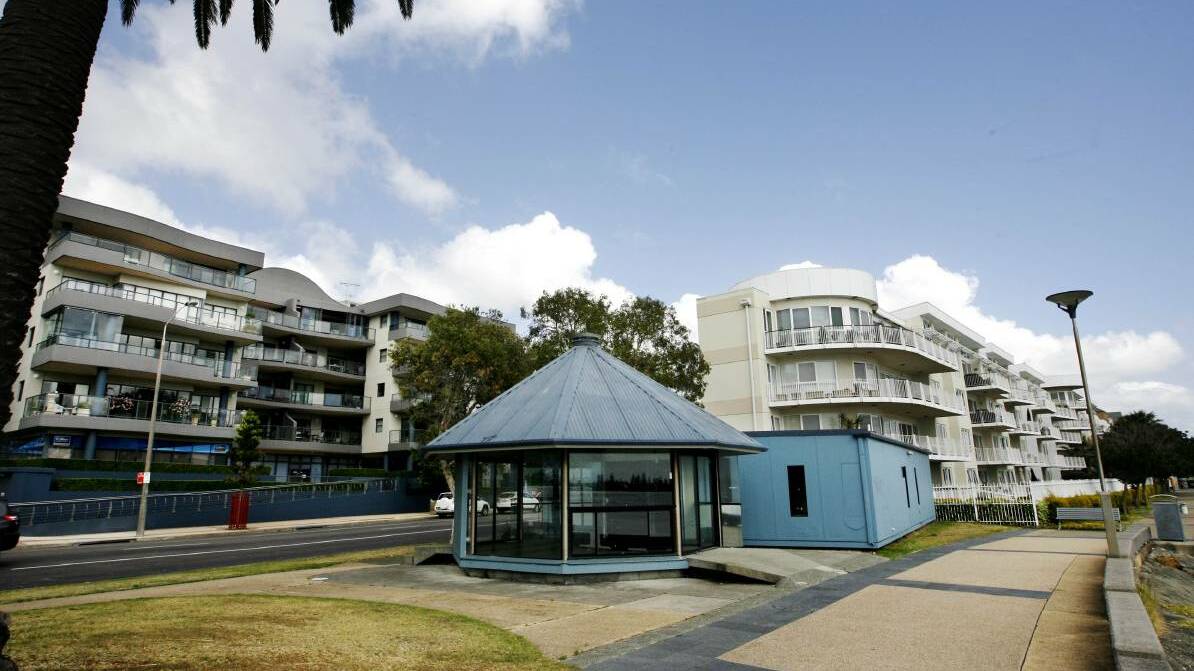
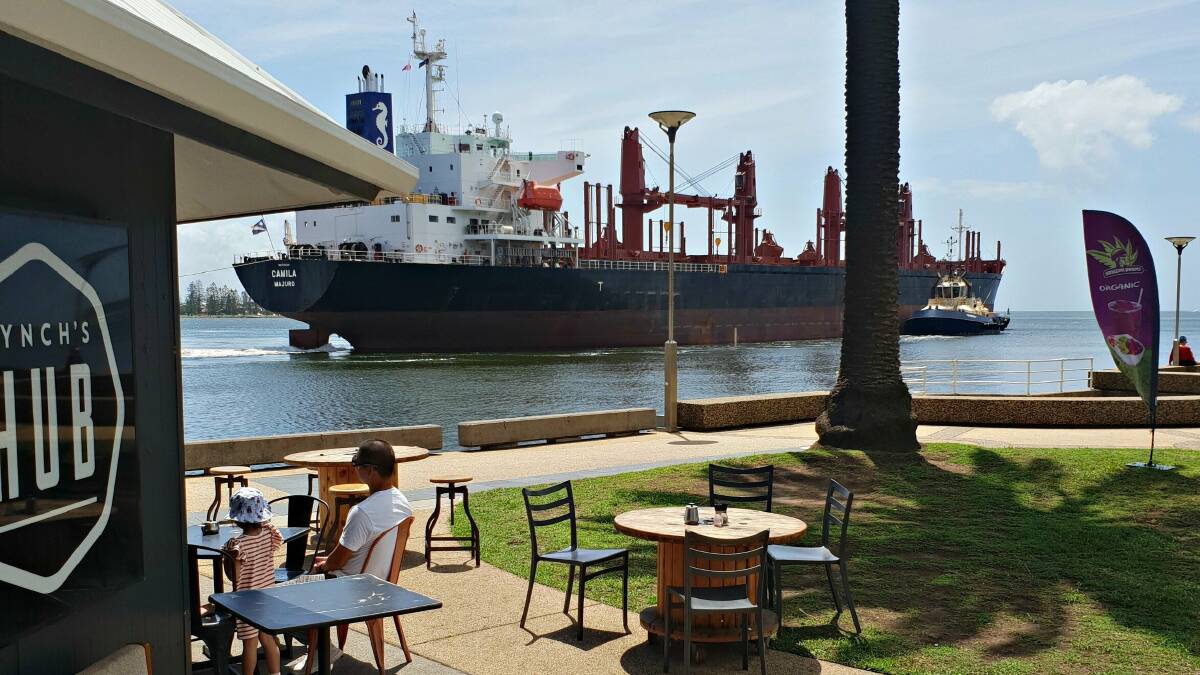
Today we report on two developments before the council: an expansion of the Lynch's Hub cafe at Honeysuckle, and an apartment building with a car-stacker proposed for Parry Street, opposite No. 1 Sportsground.
Inner cities are often associated with public transport, but residents who can afford to do so will still keep a car.
Despite frequent (pre-COVID) complaints about parking difficulty in the CBD, Newcastle's inner-city streetscapes were never anywhere near as congested as Sydney's.
Nor are they likely to be in the future.
The Lynch's cafe expansion is a typical inner-city planning dispute.
It's true that high-rise apartments are encouraged in town, under planning policies, but complaints about night-time noise are effectively saying that only those who live by the harbour are allowed to enjoy it at night.
The Newcastle CBD must always be an area that welcomes visitors, no matter where they come from.
And if the city's "night-time economy" resumes after COVID, then the CBD will become a much noisier place, after hours, than it is right now.
That doesn't mean wild drunkenness, but bars and restaurants don't operate in silence.
Nor, on the edge of a working harbour, should they have to.
With high-rise towers sprouting in the suburbs - Broadmeadow, Adamstown, Charlestown, for starters - those wanting apartment convenience have alternatives.
Similar accommodation, but in quieter surroundings, especially at night.
ISSUE: 39,677