Pope Leo XIV approached the halfway mark of his four-nation African tour on Friday, dedicating his day in Cameroon to inspiring the nation's youth.
His schedule included a major Mass and a visit to the country's Catholic university.
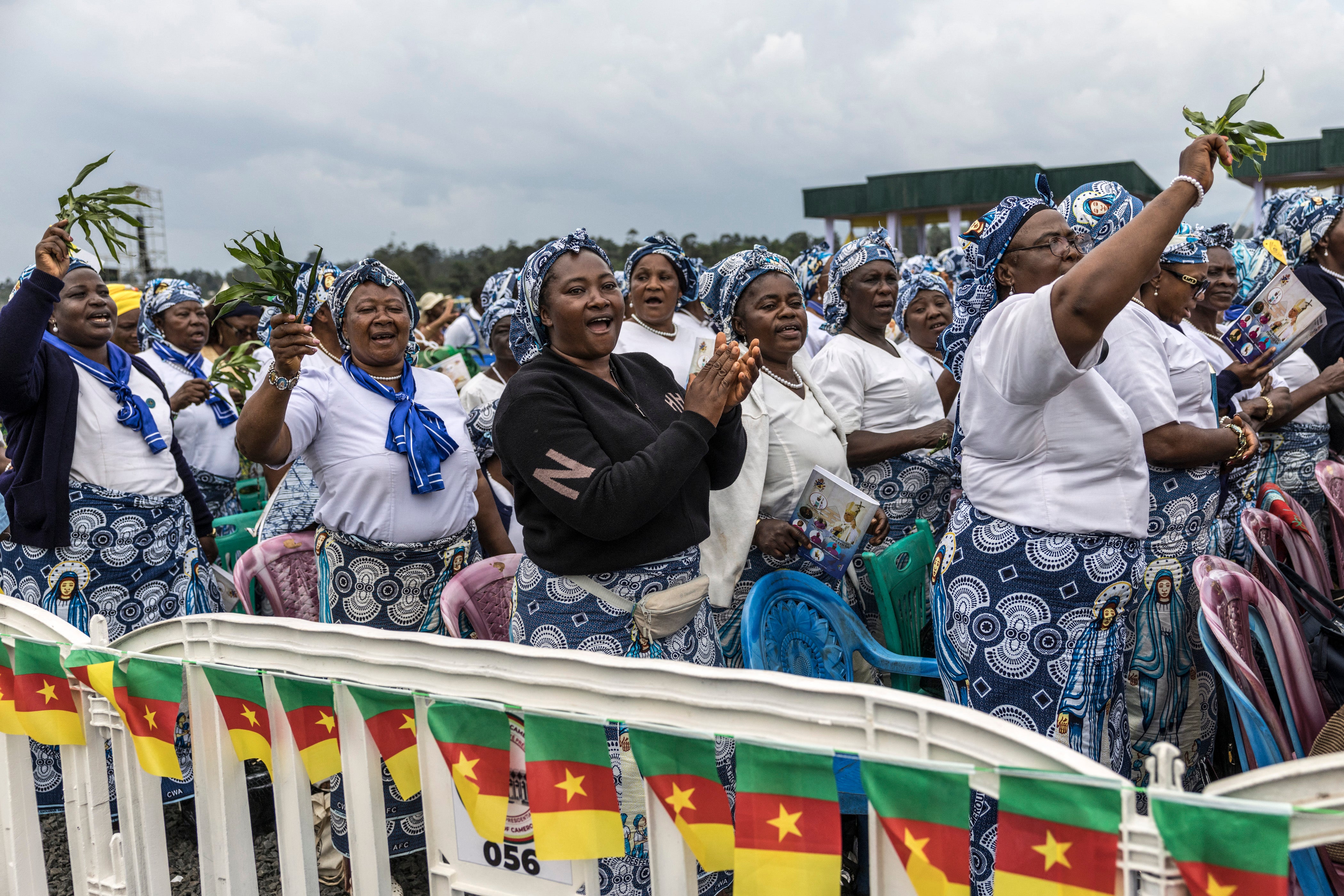
On Friday, Pope Leo travelled to Douala, Cameroon’s principal port city, to celebrate Mass and visit a local hospital.
The Vatican anticipated approximately 600,000 attendees for the liturgy, marking the largest gathering expected during his 11-day journey.
This marks the first African tour for the first American pontiff.
Later that day, back in the capital Youande, Pope Leo was scheduled to meet with students, professors, and administrators at the Catholic University of Central Africa.
Such engagements are frequently utilised by popes, particularly in developing nations, to encourage young people to persevere amidst poverty, corruption, and other societal challenges.
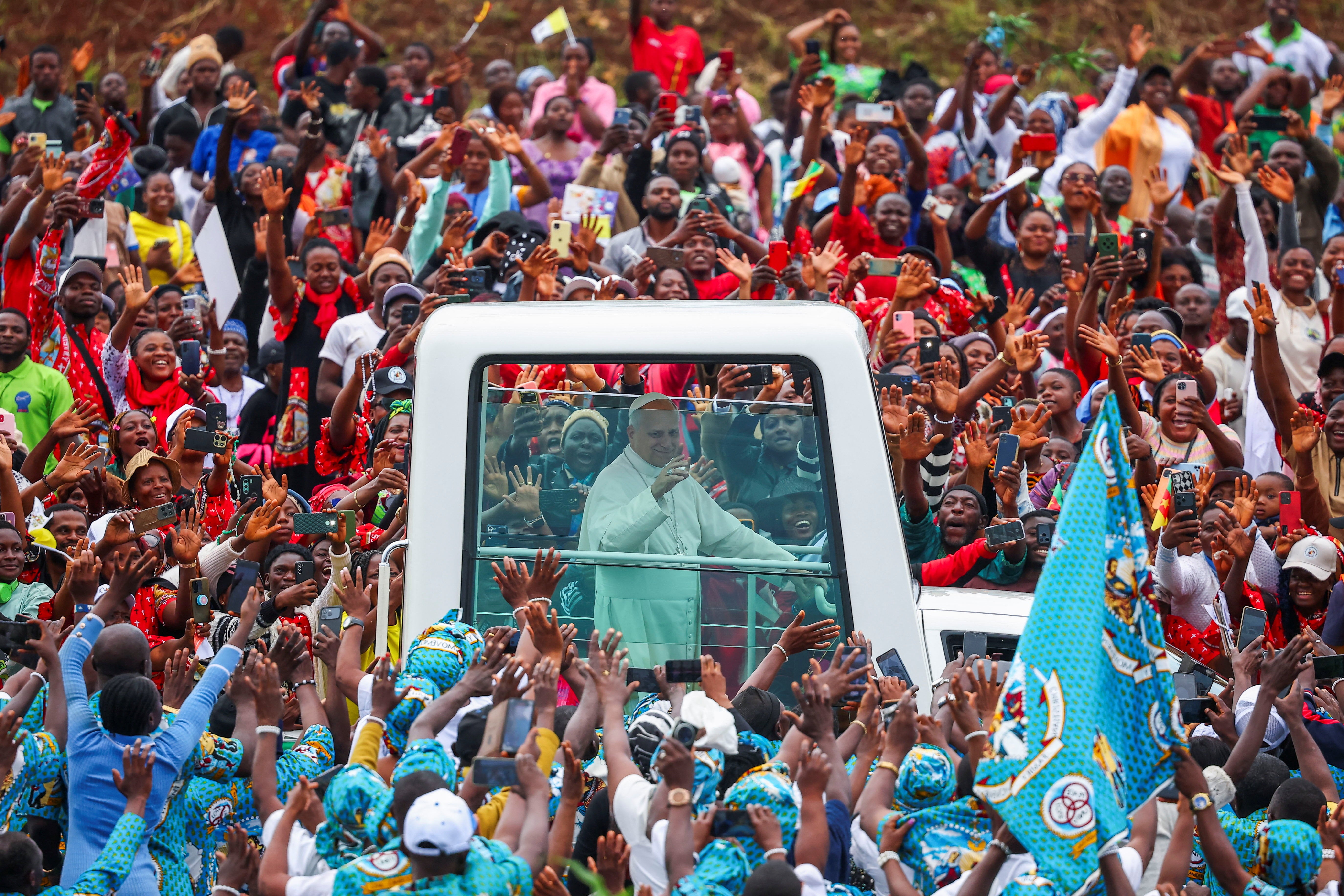
Catholics constitute around 29 per cent of Cameroon's 29 million inhabitants. The nation is notably youthful, with a median age of 18.
An attention to young people
Leo has already offered words of encouragement to Cameroon’s youth, including in his opening speech to President Paul Biya, at 93 the world’s oldest leader. In the speech, Leo demanded the “chains of corruption” in Cameroon be broken and said Cameroon’s youth represent the future and hope of the country.
But with Biya in power since 1982, Cameroon perhaps represents the most dramatic example of the tension between Africa’s youth and the continent’s many aging leaders.
Despite being an oil-producing country experiencing modest economic growth, young people say the benefits have not trickled down beyond the elites.
“Of course, when unemployment and social exclusion persist, frustration can lead to violence," Leo warned in his opening address to Biya and government authorities earlier this week.
"Investing in the education, training, and entrepreneurship of young people is, therefore, a strategic choice for peace. It is the only way to curb the outflow of wonderful talent to other parts of the world.”
According to World Bank data, the unemployment rate in Cameroon stands at 3.5 per cent, but 57 per cent of the labor force aged 18 to 35 works in informal employment.
The dire economic outlook in Cameroon has led to significant brain drain and has strained an already understaffed health sector, as many doctors and nurses are leaving the country for more lucrative jobs in Europe and North America.
In 2023, about a third of trained doctors who graduate from medical school in Cameroon leave the country, according to the Ministry of Higher Education.
Growing frustration over Biya’s record and long-term rule intensified during last October’s tense presidential election, in which Biya secured an eighth consecutive term.
When Cameroon’s main opposition candidate, Issa Tchiroma Bakary, contested the result of the poll, deadly protests erupted throughout the country.
Denis Sassou N’Guesso sworn in for another term in Republic of Congo, extending 42-year rule
Pope Leo says world ‘being ravaged by handful of tyrants’ after Trump attacks
Police investigate bomb threat made at Pope Leo’s brother’s home in suburban Chicago
At least 18 people dead after minibus taxi ‘explodes into fire’ in Zimbabwe
The struggle to help Mozambique’s poorest villages as aid cuts hit home
South African opposition leader jailed for firing rifle into air at rally