CBD use increased 50% in the past four years, according to a new survey published Wednesday in the Journal of the American Medical Association.
About 1 in 5 survey respondents said they used CBD in the past year.
People who use cannabis are more likely to report using CBD, CBG and other hemp-derived compounds, the survey, done by NORC at the University of Chicago, showed. Also, people who live in a state where marijuana is illegal are more likely to use delta-8 THC, a mildly intoxicating sibling of delta-9 THC, which is the psychoactive compound in marijuana.
“Although there are a lot of survey studies out that show this increased use, we don't have a lot of good data on what effects any of these things have, either harmful or beneficial," said Angela Bryan, a University of Colorado-Boulder professor who has studied the public health implications of cannabis legalization for more than a decade. She was not involved in the JAMA study.
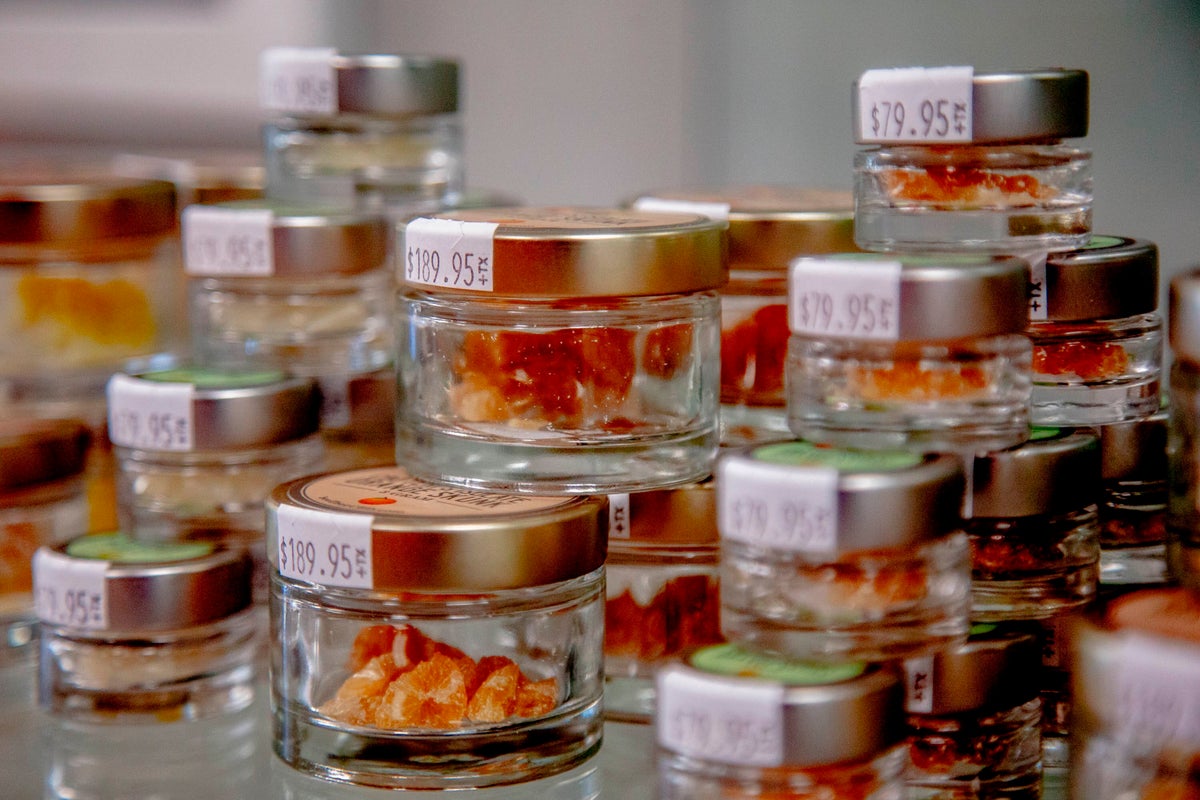
CBD and similar compounds have boomed in popularity since the 2018 farm bill legalized hemp production, and are found in lotions, tinctures, candies, vapes and more. While there is a lack of government regulation for the products, the U.S. Food and Drug Administration did approve one drug that contains CBD in 2018 to help treat two rare seizure disorders.
Surveys show people use CBD and other hemp compounds to treat everything from anxiety and sleep issues to pain. But experts say there is not enough clinical research on the compounds. The FDA warned CBD can cause liver injury and can poorly interact with certain medications.
Delta-8 THC is of particular concern, because of adverse side effects and because of how it is chemically manufactured.
Several states, including Colorado, ban or regulate delta-8 THC, though it is sold in many states due to a loophole in federal law.
“The implication in the paper, and I think it’s accurate, is that if you don’t have access to legal delta-9, then you’re going to seek out delta-8,” Bryan said. "But we know even less about delta-8 than we do about delta-9."