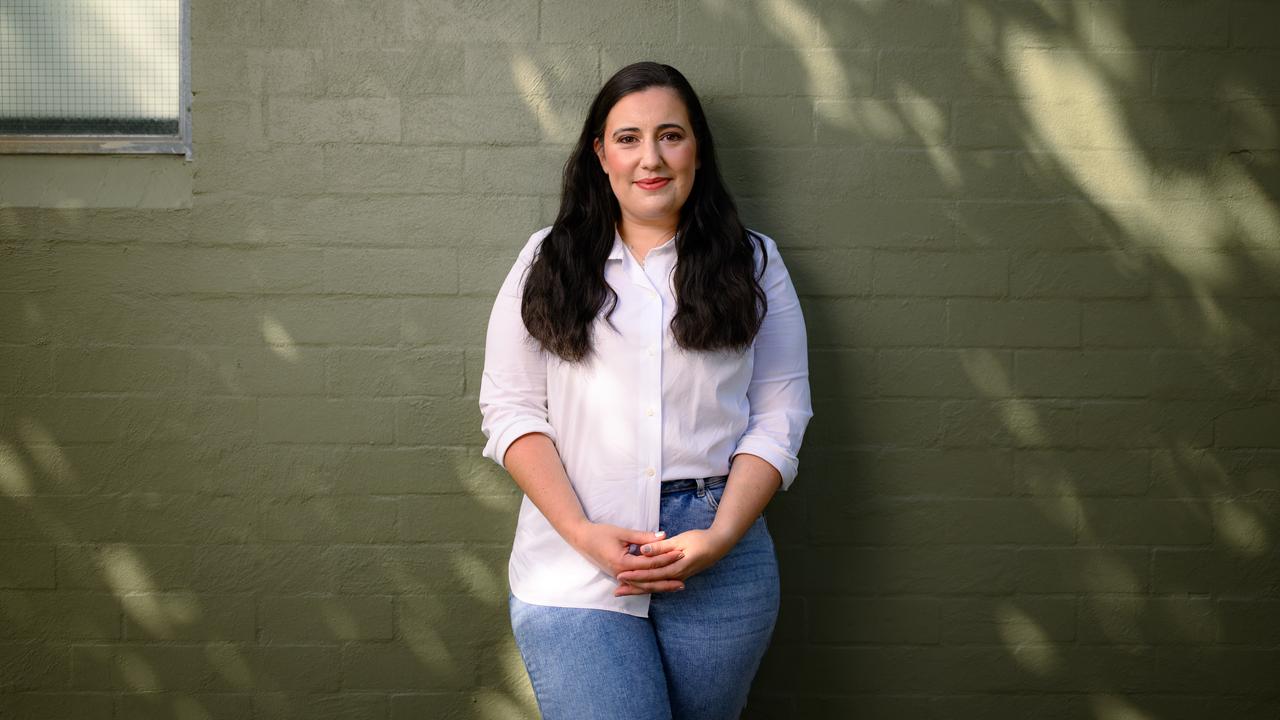
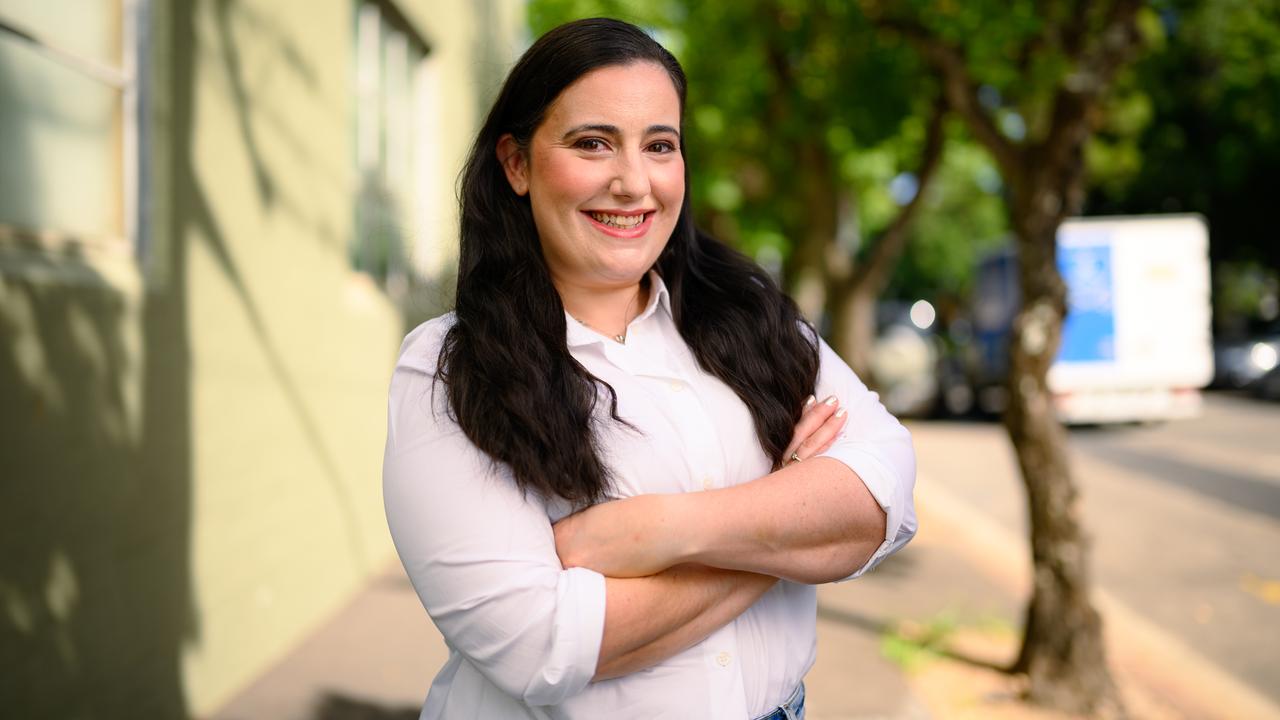
Two weeks after Maddi Granger brought her extremely premature twin girls home from hospital, she was up breastfeeding at 3am when a voice in her head said "you need to hurt yourself".
Violet and Lily had endured a bumpy start, arriving at just over 31 weeks gestation after a terrifying 170 km/h ambulance ride to a Sydney hospital from Tahmoor, on the city's far outskirts.
Maddi suffered a severe postpartum haemorrhage and was rushed into surgery.
Meanwhile, the girls - weighing barely one-and-a-half kilograms apiece - were whisked away to a neonatal intensive care unit, or NICU.
They would remain there for 52 days, requiring multiple medical interventions.
Their ordeal involved breathing support, caffeine treatment for apnoea risk, monitoring for Lily who had a hole in her heart, and help for both to maintain body heat.
"We do joke that they took their pick of the Medicare menu," Maddi tells AAP.
She and her husband spent weeks making the daily two-hour round trip to Sydney to visit their baby daughters in the NICU.
Each time they left the hospital without the children but desperately wanting to bringing them home.
The trauma of these early days took their toll.
Within a couple of weeks of "running on adrenaline" after they eventually came home, Maddi started noticing her mental health was suffering.
"Early motherhood did not look like what the books said, what the photos and the videos had said," she says.
Then the intrusive thoughts began in the middle of the night as she was up breastfeeding.
"That first voice scared me," she says.
"I knew that I was struggling. I knew that I was having a hard time. I was crying. I didn't feel like I was good enough.
"I wondered if the girls would deserve something better than me."
The moment was a turning point.
Exhausted and overwhelmed after a traumatic birth and weeks of stress, Maddi realised she was in trouble.
"That voice was enough for me to go, 'Hey, no, I need some help'," she says.
"The first thing the next morning when my husband woke, I told him everything."
Maddi told the visiting community health nurse about her experience and was referred to a social worker.
Then between that social worker and the GP, she was given a referral to Gidget Foundation Australia, a not-for-profit supporting expectant, new and would-be parents.
It was through the foundation Maddi started receiving remote telehealth treatment from her counsellor - a woman she calls her "lifeline".
It turned her entire experience of parenthood around.
"My village was there. They were there and they caught me," she says.
Maddi's experience highlights the importance of accessible perinatal mental health support for new parents - particularly those living in regional communities.
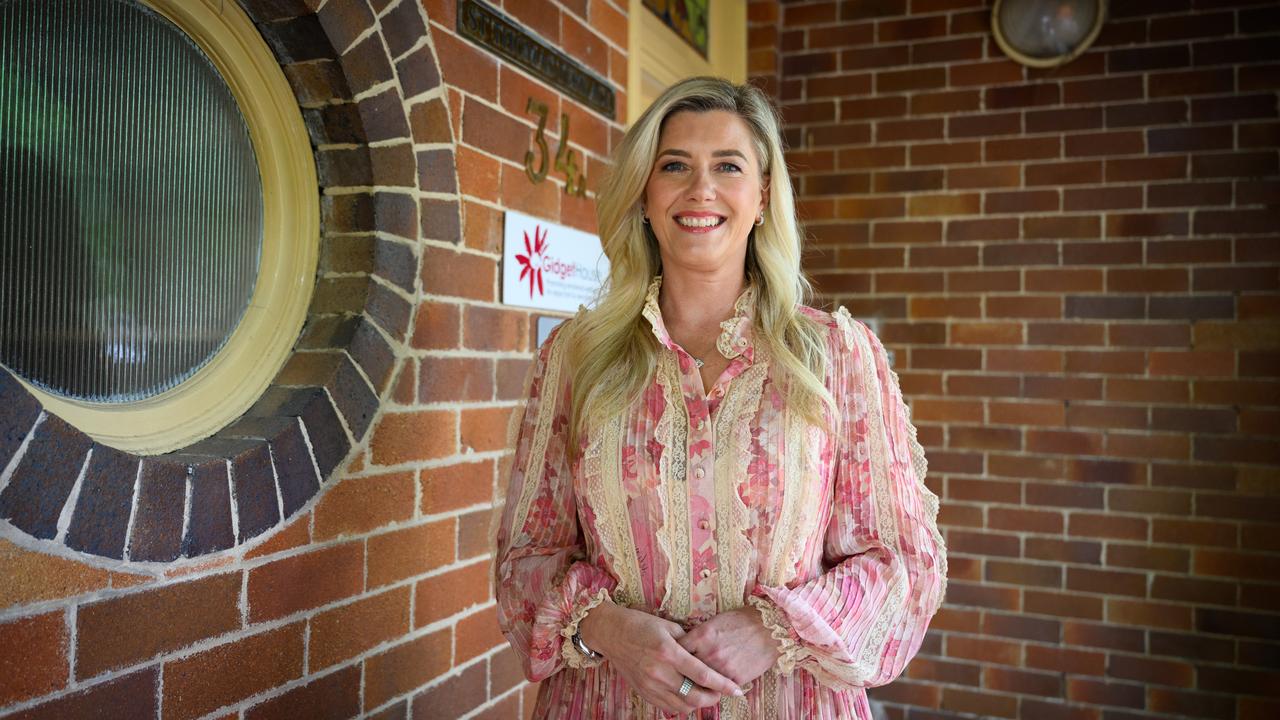
Gidget Foundation opened a new, free perinatal mental health service, Gidget House Goulburn, in March to support people across the NSW Southern Tablelands, covering a wide area of the state southwest of Sydney.
Chief executive Arabella Gibson says geography often makes accessing care all the more difficult.
"We know geography can be a real barrier in terms of accessing support," she tells AAP.
"In a small town in Australia, everyone knows everyone.
"There might only be one psychologist in town and that psychologist you will know in some way, shape or form."
Workforce shortages compound the problem.
"This workforce across Australia is in a drought," Ms Gibson says.
"We are desperately trying to develop, retain and engage a mental health workforce in Australia for the future."
But when perinatal depression and anxiety affects an estimated one-in-five mothers and one-in-10 fathers, a huge proportion of the population go undiagnosed, she warns.
For that reason alone, expanding services outside metropolitan areas is a priority.
"Fifty per cent of our physical locations are in regional areas," she says.
"That's driven by a desire for our organisation to be in the regions and to ensure accessibility of care for people."
For Maddi, the support she eventually received made an enormous difference.
"Gidget were there to catch me when I needed it," she says.
Lifeline 13 11 14
beyondblue 1300 22 4636