France's third-biggest city Lyon will have to close its bars in coming days as its coronavirus infection rates are spiking and its hospital emergency beds are filling up quickly with COVID-19 patients, the health minister said on Thursday.
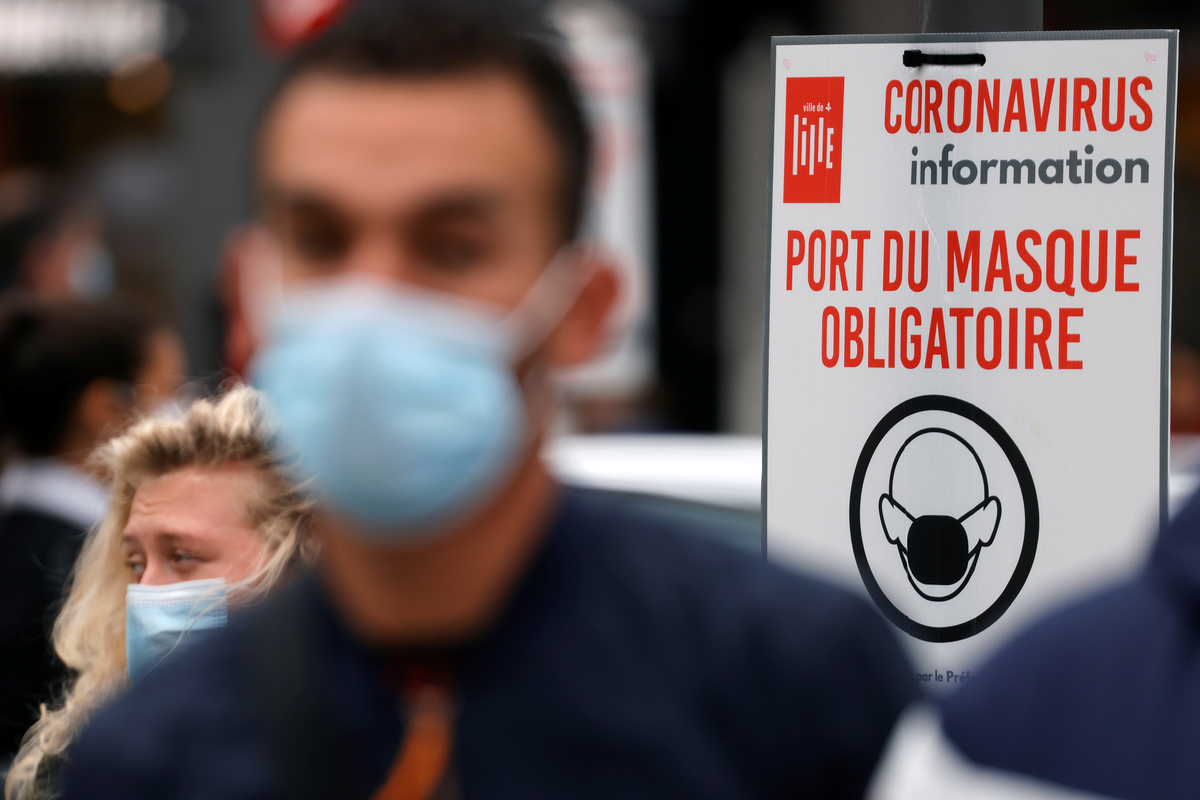
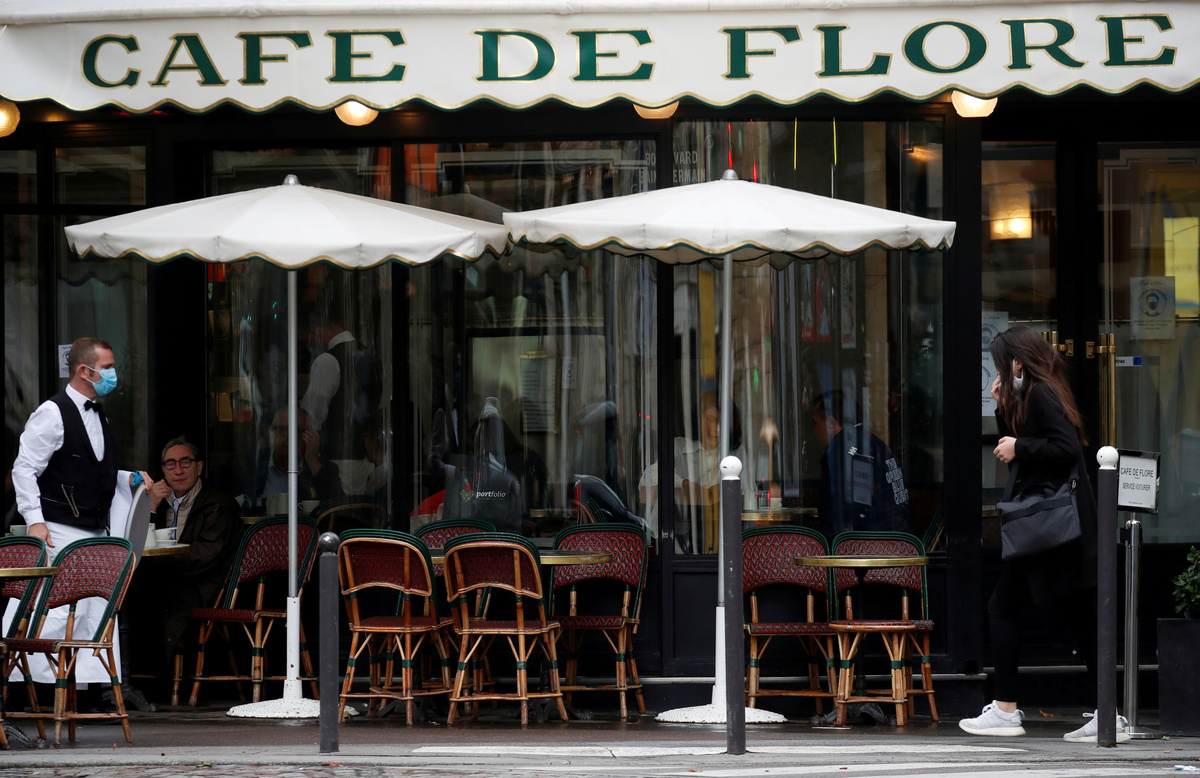
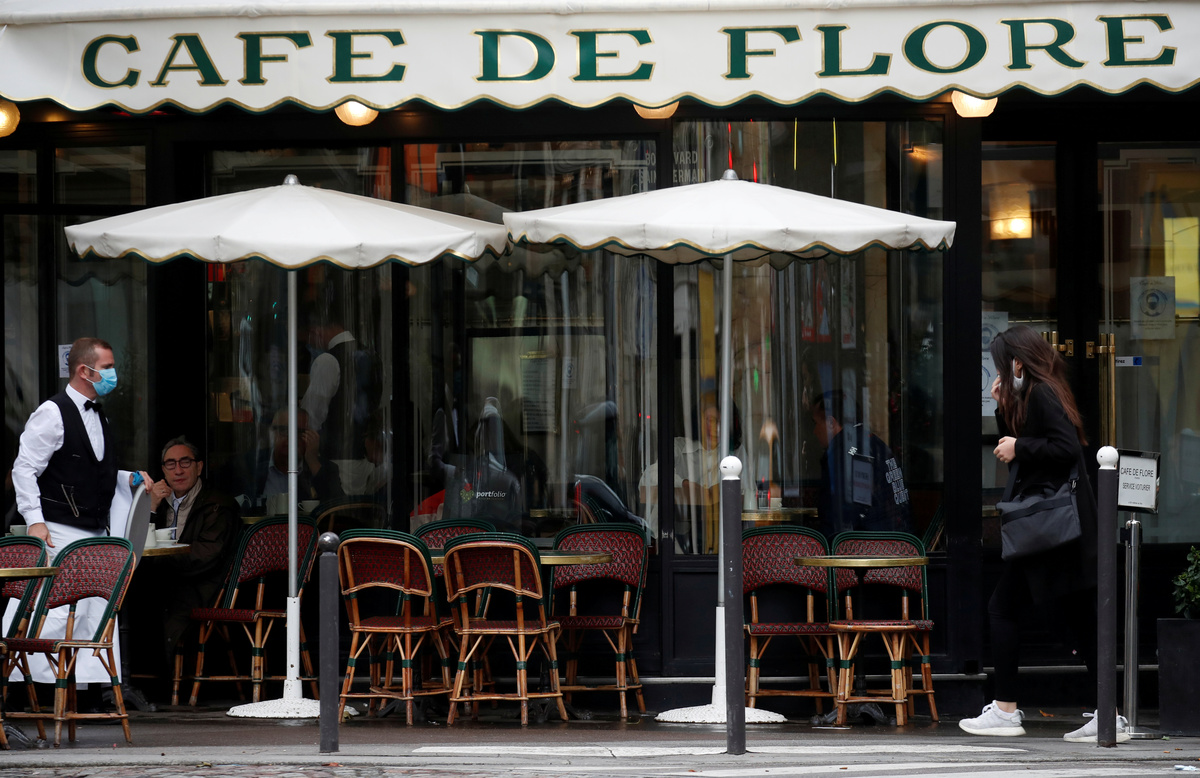
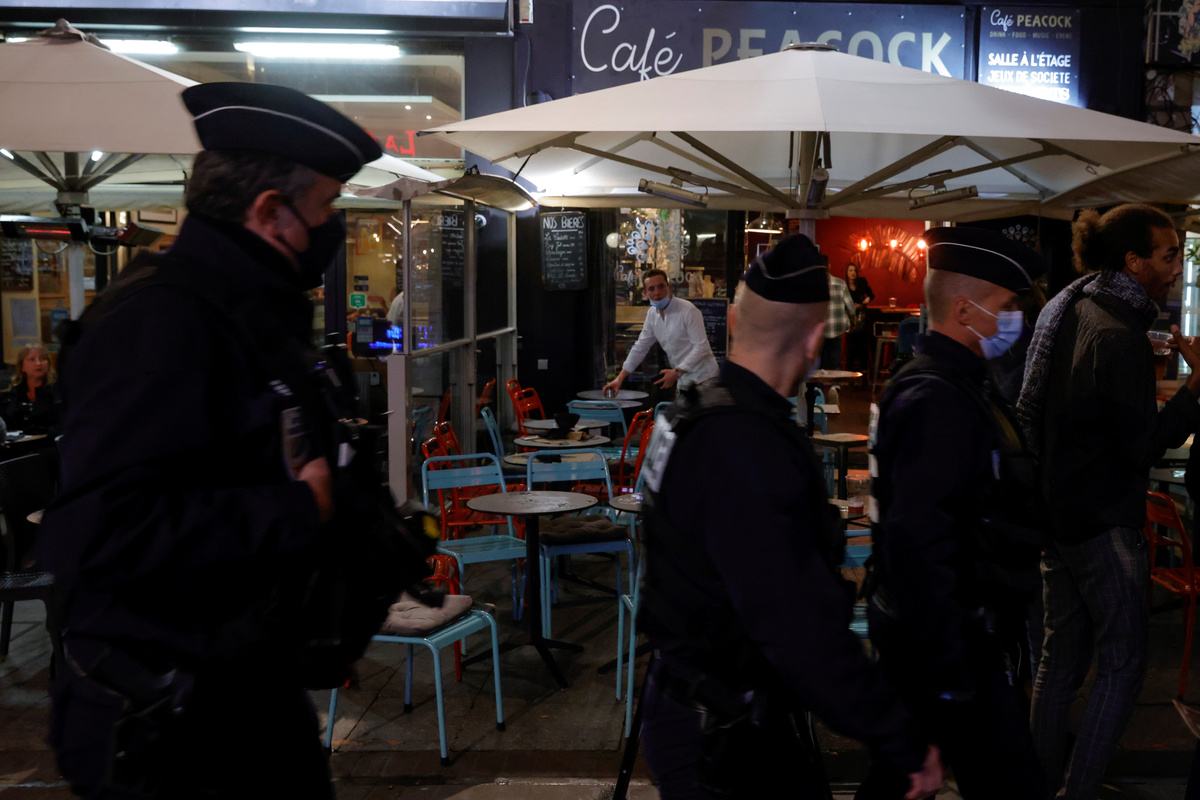
Minister Olivier Veran said Lyon, Lille, Grenoble and Saint-Etienne would go on maximum coronavirus alert level from Saturday. This means they will have to close their bars for two weeks in coming days, as Paris did on Tuesday and Marseille, France's second-biggest city, did earlier this month.
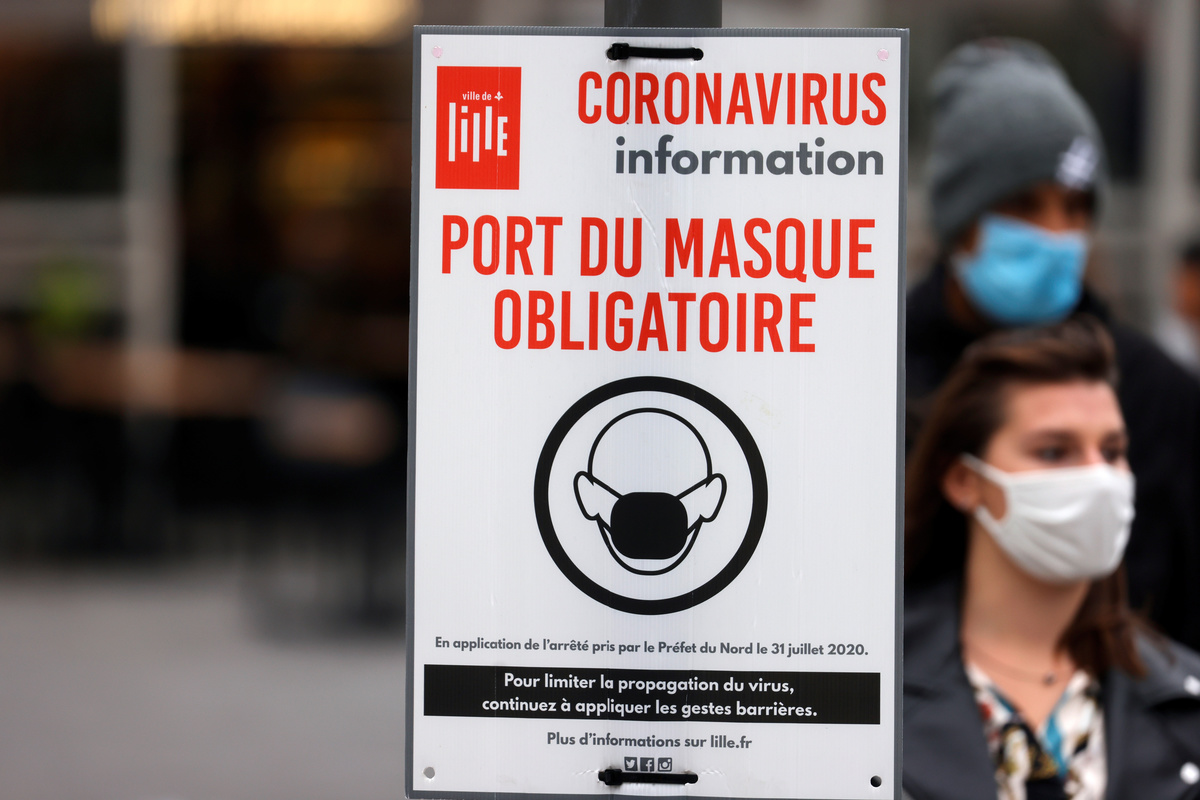
Veran said the situation in Toulouse and Montpellier was also worrying and that those cities could also be moved to maximum COVID-19 alert level from Monday. Dijon and Clermont-Ferrand would be put on higher alert from Saturday, he said.
"Unfortunately, the health situation in France continues to deteriorate," Veran said at his weekly COVID-19 briefing.
Cities placed on maximum alert level will also have to apply stricter health protocols in restaurants.
With the school mid-term holidays starting soon, Veran added no travel restrictions were on the agenda, while urging everybody to remain very cautious during family gatherings that are traditionally a feature of this vacation.
French Finance Minister Bruno Le Maire, who for once took part in the weekly COVID-19 briefing, detailed extra support measures for the economy, making new sectors eligible for the state solidarity fund.
"We'll add florists, dry cleaners, booksellers (...) to the list. An extra 75,000 business are concerned (on top of the 150,000 already receiving some aid)", Le Maire said.
INTENSIVE CARE
The health ministry on Thursday reported more than 18,000 new confirmed cases for the second day in a row, far above the 7,500 per day level seen during lockdown in spring.
Nationwide, the number of people in intensive care rose by 11 to 1,427. While that is well below the 7,148 high set on April 8 at the height of the crisis, the number of COVID patients is more than 30% of the total in many big-city hospitals.
Hospitals in the Paris region moved into emergency mode on Thursday, cancelling staff holidays and postponing non-essential operations, as coronavirus patients made up close to half of all patients in intensive care units (ICUs).
"Given the pressure on emergency room beds...I have asked medical institutions in the region to activate their emergency plan to mobilise all resources," Paris region health director Aurelien Rousseau said on his Twitter feed.
Two days ago, Rousseau said the number of COVID-19 patients in ICUs had already risen above 40% and called on citizens to further reduce their interactions, saying that was the only way to reduce infections and lower pressure on the hospital system.
(Reporting by Sudip Kar-Gupta, Matthieu Protard, Geert De Clercq and Matthias Blamont; Editing by Timothy Heritage, Gareth Jones and Alex Richardson)