Montenegro has expelled 58 foreigners suspected of being associated with the Japanese doomsday cult that staged a deadly nerve gas attack on Tokyo’s underground more than a decade ago.
Police did not identify the specific religious group, but according to local media and a police source who spoke anonymously to AFP, the group expelled from the country belonged to Aum Shinrikyo.
The doomsday sect released nerve gas on the Tokyo subway in March 1995, killing 12 and injuring thousands of commuters.
According to AFP new agency, a police statement said they had “received information from partner security services showing that a group of foreign national, who were numbers of a closed religious group, were staying in Montenegro.”
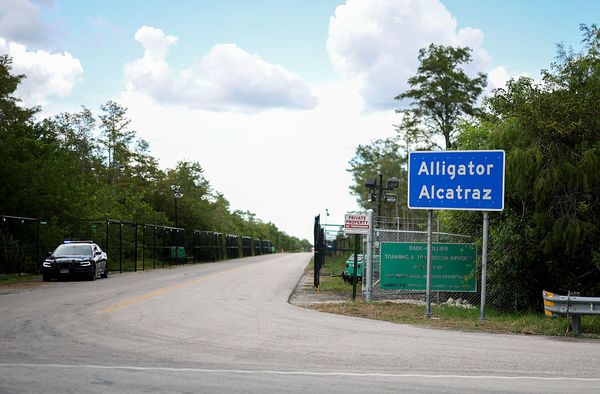
Authorities briefly detained the group at a hotel in town of Danilovgrad on Friday and found they did not hold valid visitor permits, so they were asked to leave the European country.
Of the 58 foreign nationals, 43 were Russian, four from Japan, seven from Belarus, three from Ukraine and one from Uzbekistan, the country’s interior minister added in a statement.
After their discovery in two hotels in Montenegro, the group members gave statements to police and their laptops and mobile phones were taken for examination. No arrests were made.
According to the think-tank Council on Foreign Relations, the religious sect, also known as Aum or Aleph, is a cult that combines tenets from Buddhism, Hinduism, and is “obsessed with the apocalypse”.
“At the centre of the group's belief is reverence for Shoko Asahara, Aum's founder, who says that he is the first ‘enlightened one’ since Buddha,” the CFR adds. He, along with thirteen other members of the cult, was sentenced to death in connection with the attack in Japan. They are still awaiting their executions.
A United States report also adds that subsequent Japanese government investigations revealed the cult was responsible for other “mysterious chemical incidents” in Japan the year before the Tokyo assault – including a sarin gas attack on a neighbourhood in Matsumoto that killed seven and hospitalised around 500 residents.
It adds: “Although Aum has not conducted a terrorist attack since 1995, concerns remain regarding its continued adherence to the violent teachings of founder Asahara that led them to perpetrate the 1995 sarin gas attack.”