Iceberg A68a has been on a slow journey toward potential disaster.
The huge ice mass, which broke from the Antarctic's Larsen C ice shelf in July 2017, slid toward the open ocean for over two years until it hit the powerful Circumpolar Current that circles the continent.
That propelled the berg northeast through what scientists call "iceberg alley", and it's now headed straight for South Georgia Island, and could hit the remote world in the southern Atlantic teeming with wildlife within days.
At 4,200 square kilometers (1,620 sq miles), the berg is bigger than Singapore or Luxembourg.
"There's nothing that's really been that large before in scientific history that we've seen coming up to South Georgia,” said Geraint Tarling, a biological oceanographer with the British Antarctic Survey.
"Normally we'd expect these icebergs to break apart in the open ocean."
Scientists say the iceberg could grind over the island's shelf, crushing underwater life. If it lodges at the island’s flank, it could remain a fixture for up to 10 years before the ice melts or breaks away, Tarling said.
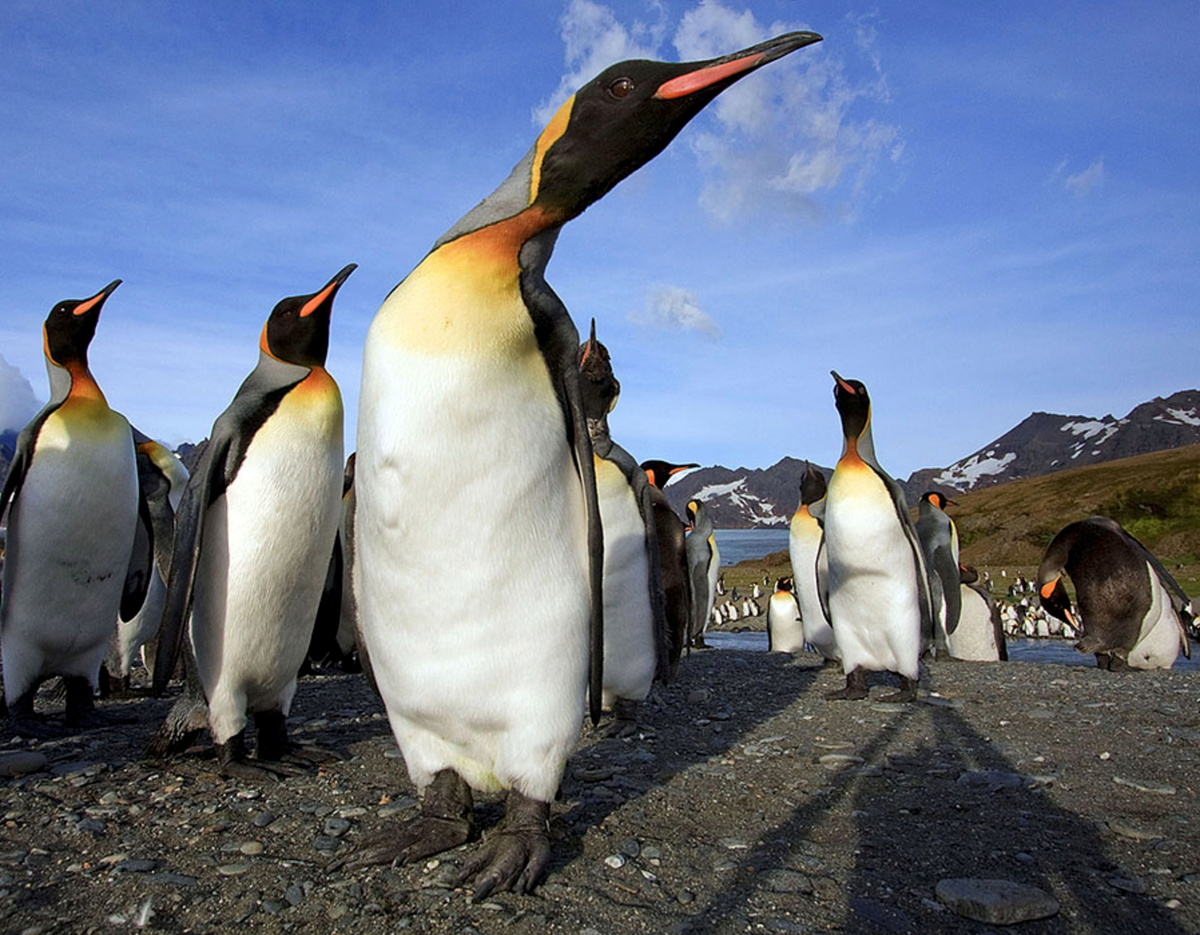
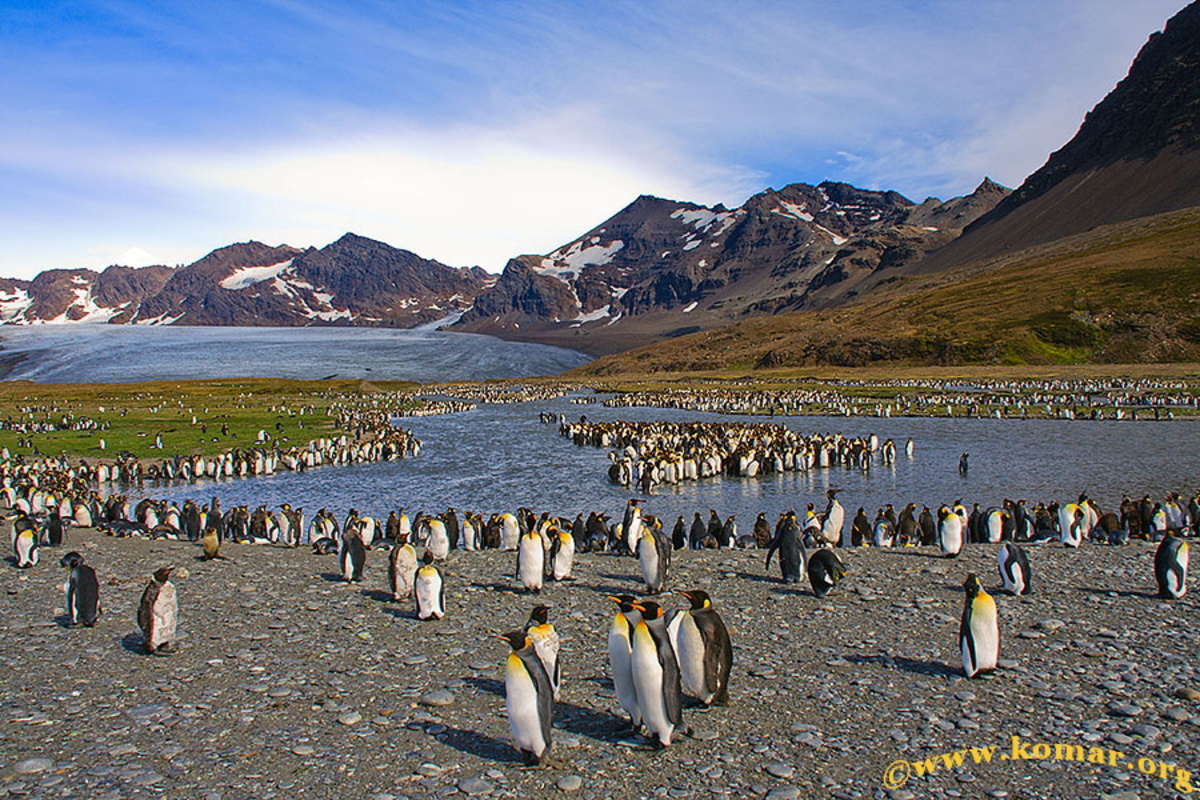
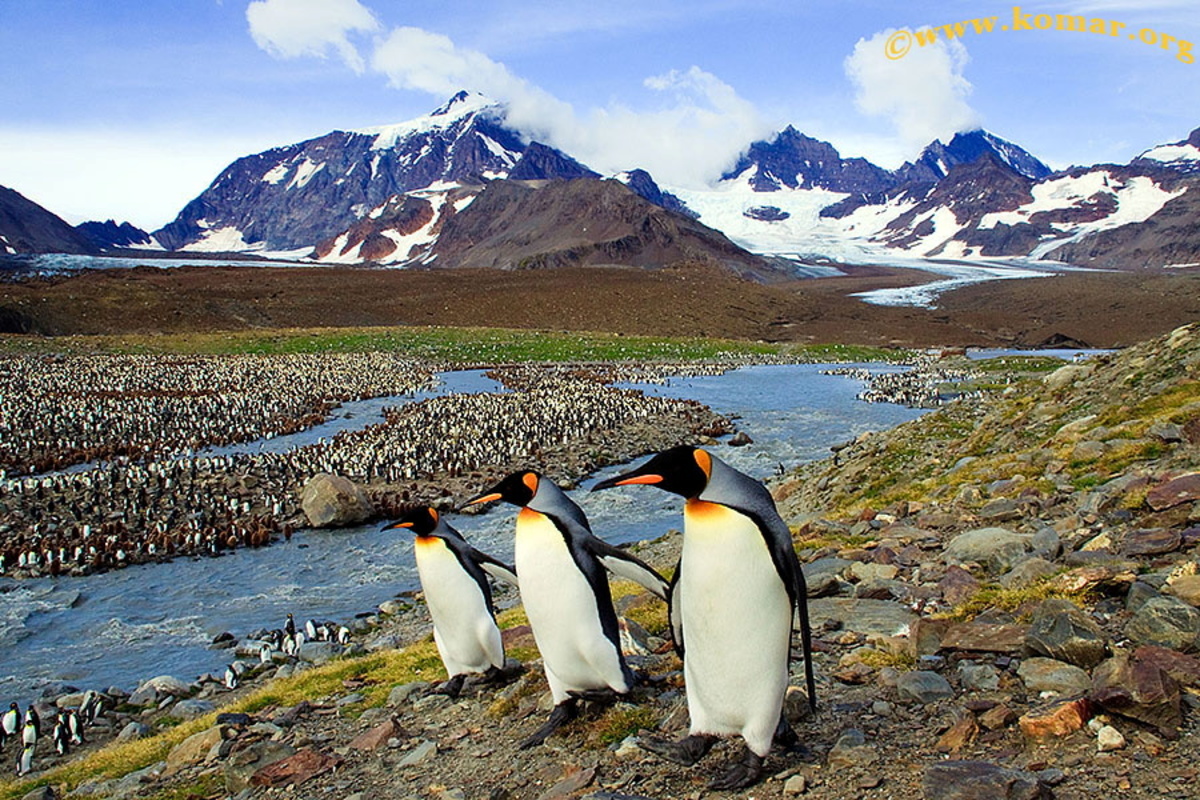
That could block some of the island’s 2 million penguins from reaching the waters to feed their young. Melting freshwater also could make the waters inhospitable for phytoplankton and other creatures in the food chain.
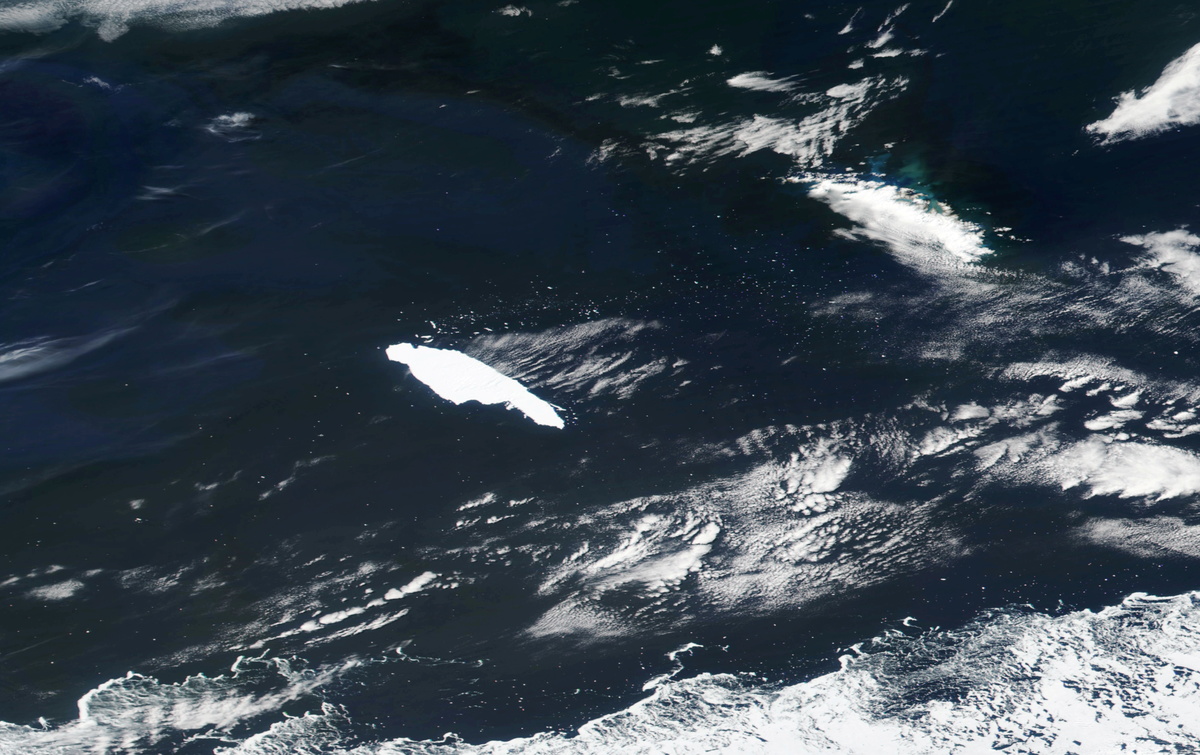
A68a has the scientific community debating if its calving was a consequence of climate change, and whether more such monster bergs are to come.
There have been few larger in recent history, the biggest being B-15, which measured 11,000 square kilometers when it broke from Antarctica’s Ross ice shelf in March 2000.
Whether climate change was directly, or partially, responsible for destabilizing Larsen C is a matter of debate, said Ted Scambos, a senior research scientist at the University of Colorado in Boulder.
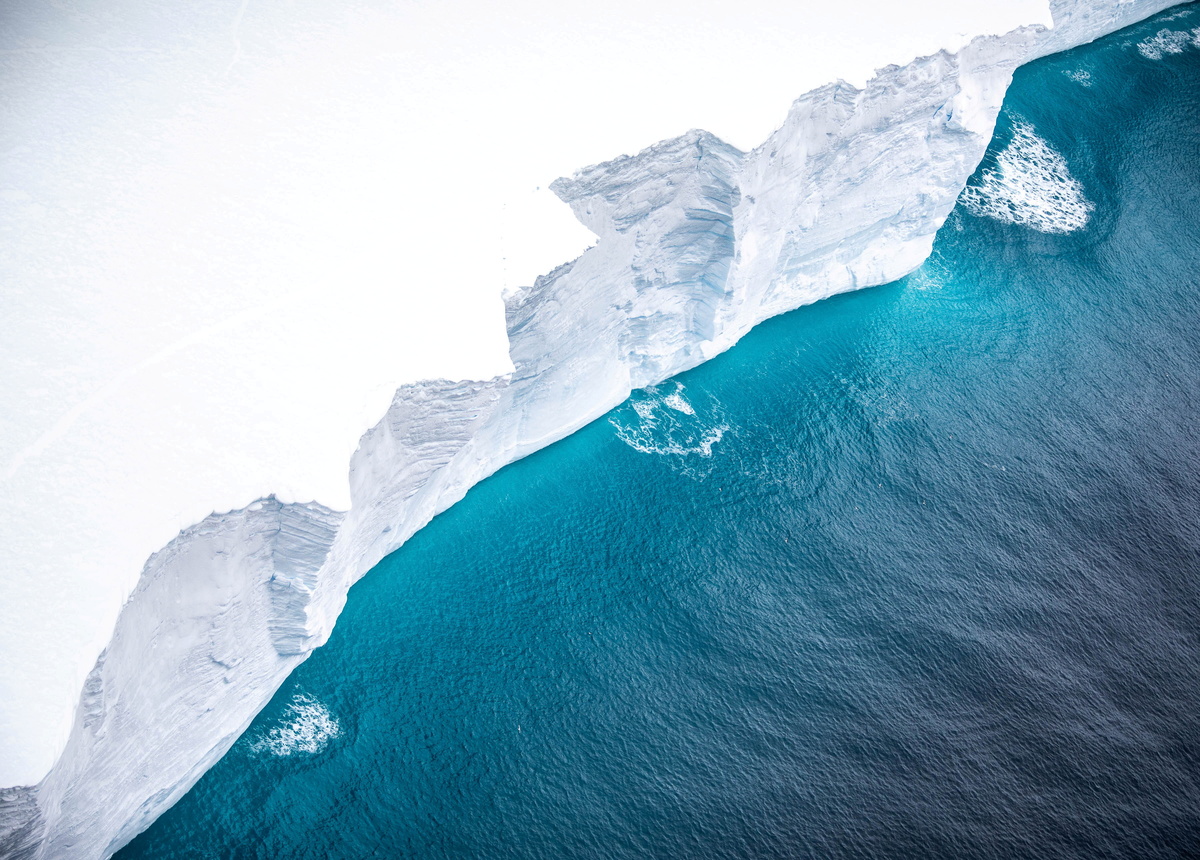
Scientists have limited understanding of how the ice behaved historically, as satellite monitoring began only in recent decades, he said. And the continent is influenced by other variables, including strong winds and weather patterns in the tropics.
Antarctica is one of the fastest-warming places on Earth. South Pole temperatures have risen at three times the rate of the global average over the last three decades, data show.
https://tmsnrt.rs/3n8EbO4
(Reporting by Cassandra Garrison; Editing by Katy Daigle and Lisa Shumaker)