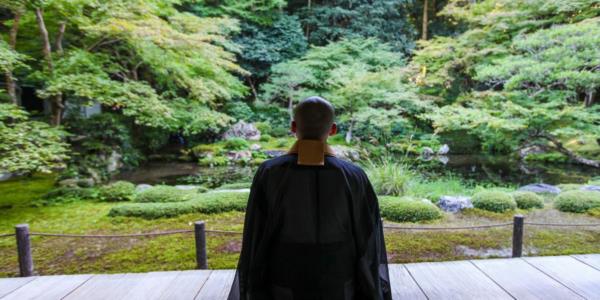
A recent personal experiment delved into the world of health trends and self-improvement challenges, shedding light on the transformative power of adopting a 'Monk Mode' lifestyle. The challenge involved a week-long commitment to healthy eating, daily meditation, regular running, and complete abstinence from television, social media, and alcohol.
The participant, initially drawn to the allure of new challenges, found the experience to be both enlightening and challenging. The 'Monk Mode' concept, which primarily focuses on reducing screen time by eliminating social media and TV consumption, presented unexpected hurdles.
While the physical aspect of the challenge, such as daily running and healthy eating, was manageable, the participant struggled with the psychological impact of cutting out television and social media. The absence of these distractions highlighted ingrained habits of procrastination and revealed the extent to which television had become a central part of daily routine.
One of the most significant takeaways from the experiment was the introduction of meditation into the participant's routine. Despite initial skepticism, meditation emerged as a transformative practice, offering moments of mindfulness and self-reflection.
As the week progressed, the participant grappled with a mix of inspiration and boredom, ultimately succumbing to the temptation of television and alcohol on the fourth evening. Reflecting on the experience, the individual emphasized the importance of balance, highlighting the value of relaxation and leisure activities in addition to productivity.
The experiment underscored the benefits of incorporating elements of 'Monk Mode' into daily life, such as regular exercise, mindful practices like meditation, and reduced screen time. However, it also emphasized the importance of moderation and the recognition of individual needs for relaxation and entertainment.
Overall, the 'Monk Mode' challenge provided valuable insights into personal habits and the impact of lifestyle changes on well-being. While the participant did not fully adhere to the strict guidelines of the challenge, the experience served as a catalyst for self-discovery and a renewed appreciation for the balance between productivity and leisure.