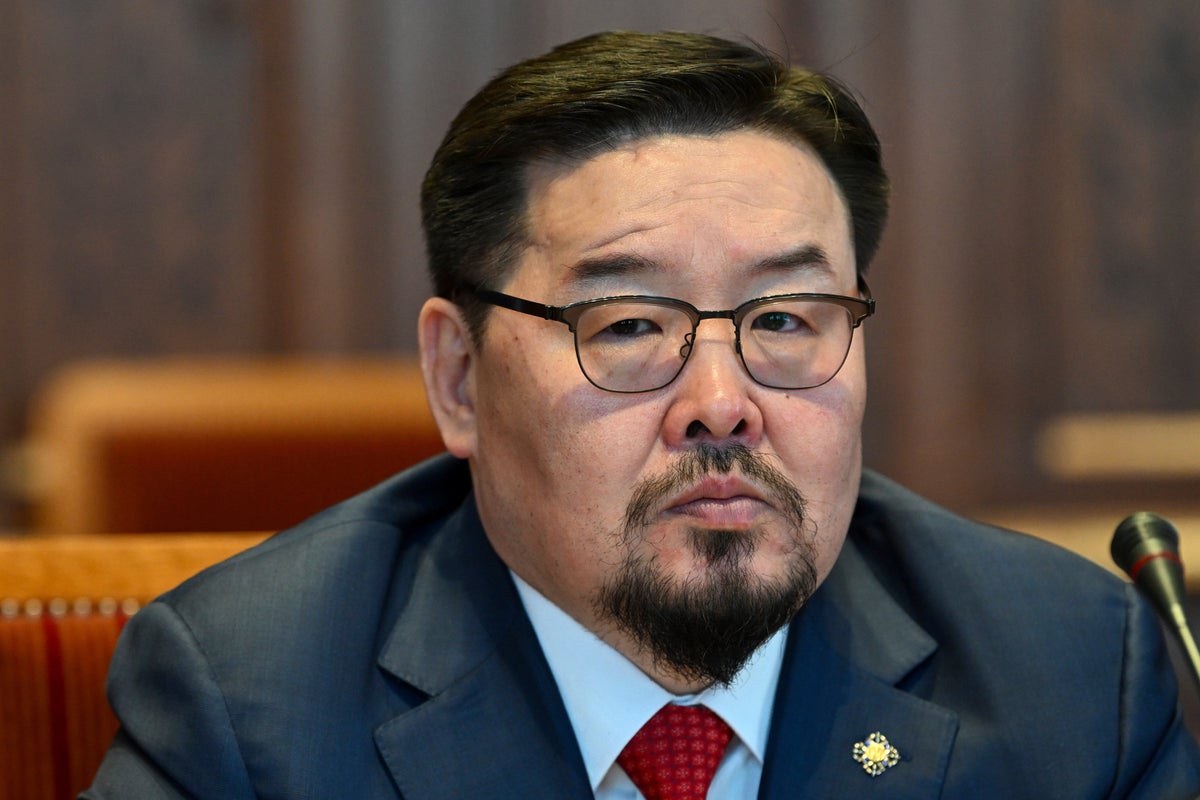
Mongolian prime minister Gombojav Zandanshatar has resigned after losing a vote of no confidence in parliament, just four months after taking office, according to reports.
A vote of no confidence was held in Mongolia’s 127-seat parliament on Friday, with 71 members supporting Mr Zandanshatar’s dismissal and 40 opposing it, out of 111 members who voted.
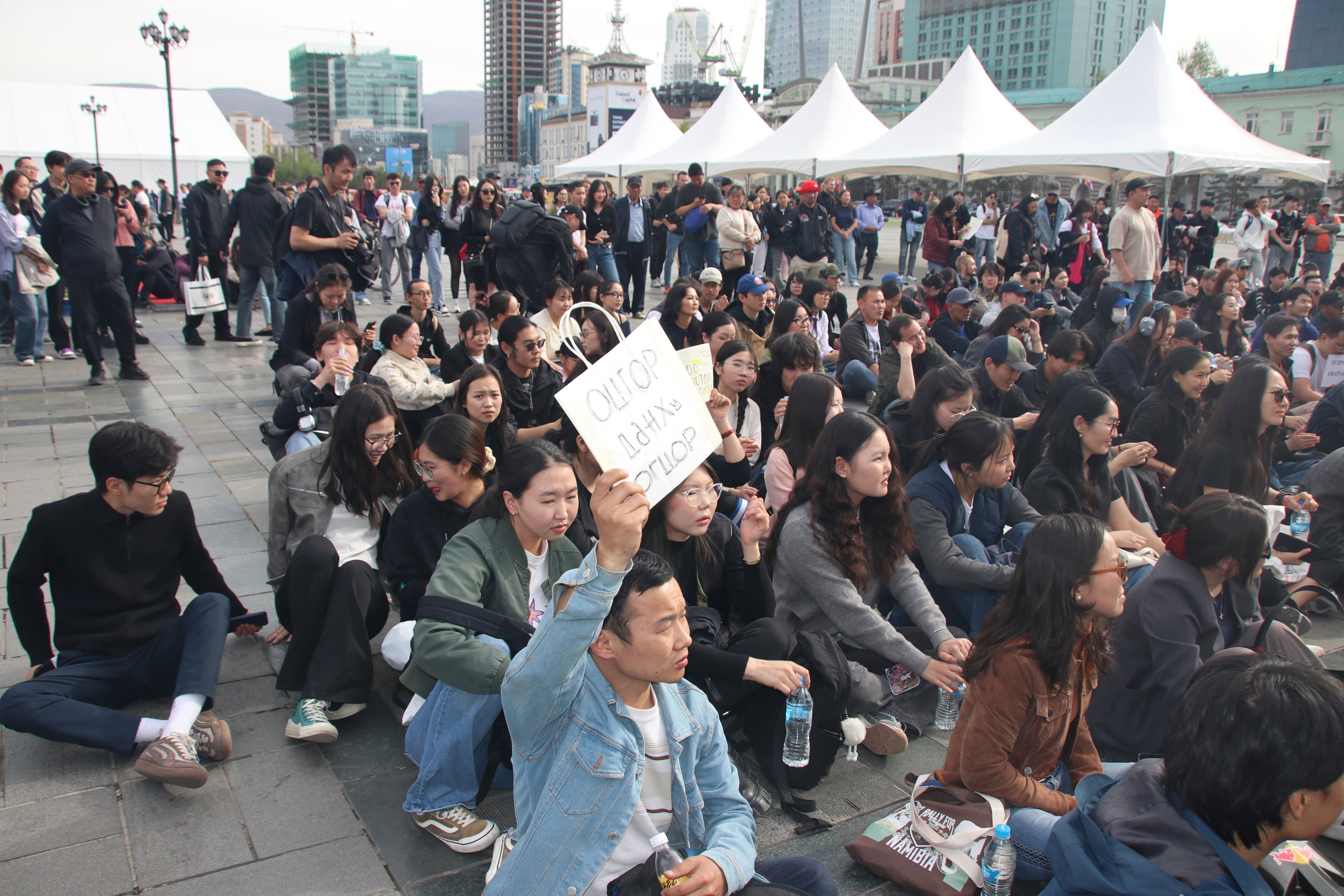
It marks the second dismissal of two prime ministers within months amid an ongoing political upheaval in the Central Asian nation due to public anger over corruption and a weak domestic economy. The instability has cast uncertainty over policy continuity and eroded investor sentiment for the resources-rich country.
Mr Zandanshatar, 55, was confirmed as the 32nd prime minister of the country in June after his predecessor Luvsannamsrai Oyun-Erdene resigned after losing support in parliament. Mr Luvsannamsrai was forced from office following weeks of protests sparked by reports of lavish spending by his son, which soon escalated into broader public outrage against the country’s political elite.
A vote took place on Friday after more than 50 members of the legislature submitted a motion to dismiss Mr Zandanshatar from his post on 10 October.
They cited constitutional violations in the prime minister’s recent appointment of a new minister of justice and home affairs.
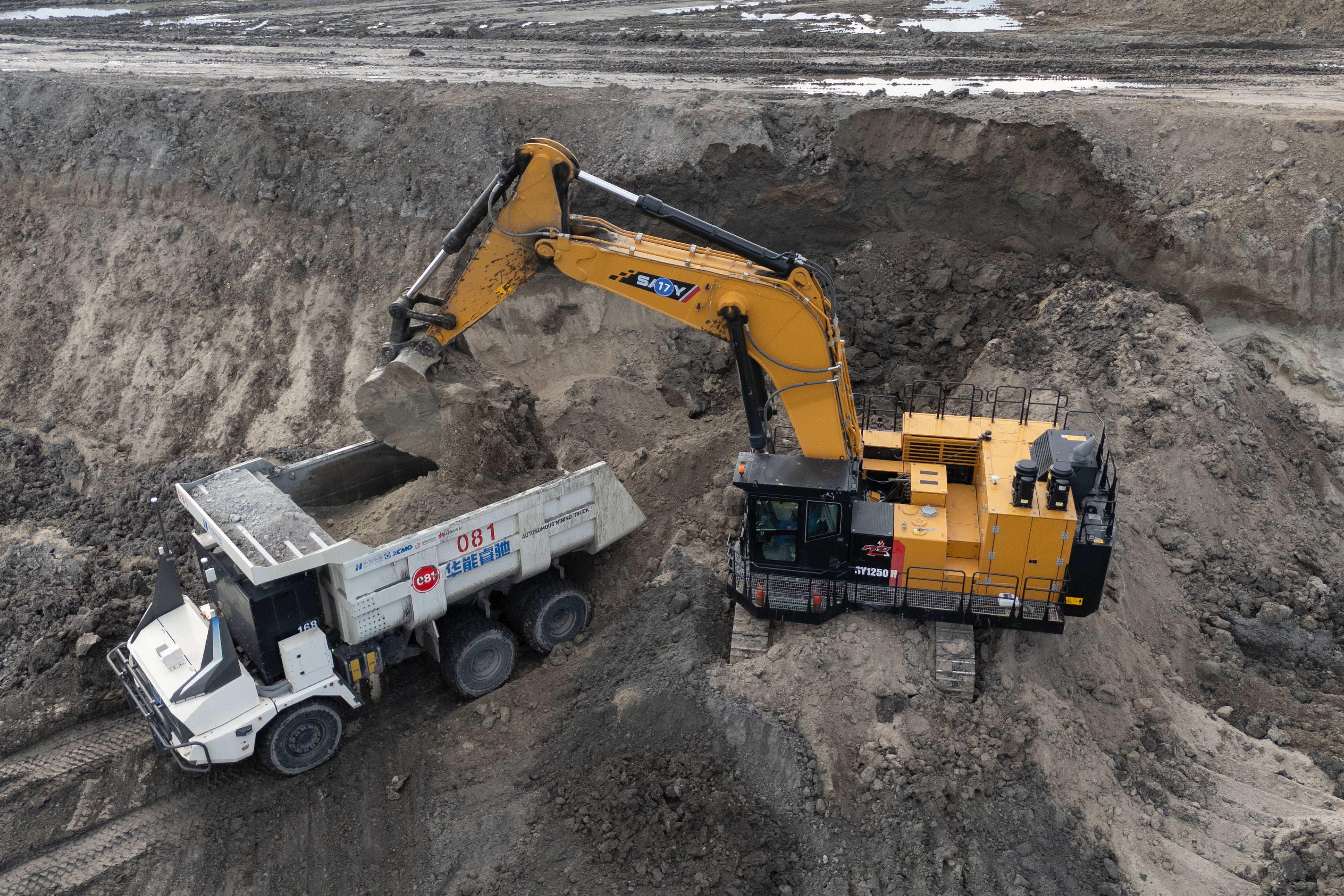
The statement from the MPs said the appointment undermined “the principle of the separation of state powers” as it was carried out unilaterally, without the consultation of parliament as required under the law. He was also criticised for the possible loss in state revenue from a resolution that altered the royalties paid to the government for coal and iron ore in the mineral-rich country.
“[His appointment] encroached on the powers of the President of Mongolia and the State Great Khural, violates the fundamental principles of the constitution, and violates the principle of the rule of law,” parliamentarians wrote in a statement.
Mr Zandanshatar, a Russian-educated former banker, has previously held the positions of foreign minister, chief of the cabinet secretariat, and speaker of the State Great Khural parliament.
Mongolia, heavily reliant on exports of raw materials to China, is aiming to tap “critical” minerals needed for the green energy transition.
Yet the landlocked democracy, wedged between Russia and China, has struggled to turn its resource wealth into benefits for citizens and now faces rising inflation.
His resignation comes a day after Amarbayasglan Dashzegve from his Mongolian People's Party resigned as a parliament speaker after calls for an ethics investigation by the members of his own party.