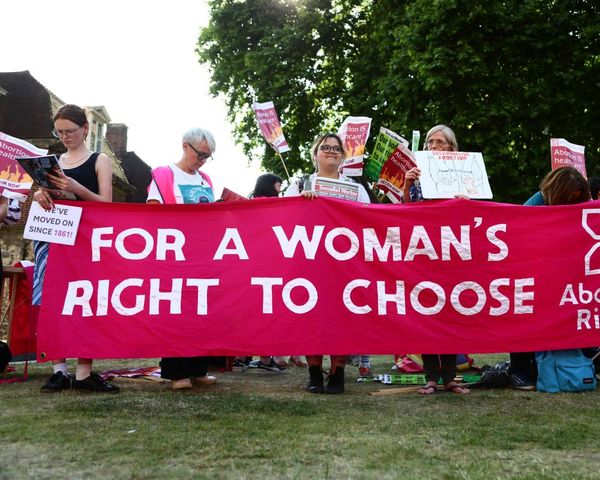
The issue of pay can be thorny. It’s one of those things you’re not meant to discuss at dinner parties and is often a stumbling block in job interviews. But the truth is that we need to start talking about it. The gender pay gap is a huge issue and recent research shows that in the UK it is widening, not narrowing. Following Equal Pay Day earlier this week, we’re taking this opportunity to get people talking. We asked a number of successful women for their personal stories and the career lessons they have learnt around finance and pay.
Jill Pinner, chairman and founder at Fizz Experience
I vividly remember receiving my first pay cheque over 30 years ago. It felt like a gift rather than payment for work I had done. I loved working. The lines between my work and my social life were blurred to say the least: work/life balance was not a phrase used back then!
Each week I received £27 in cash which I divided into individual envelopes for rent, food and socialising. On top of this were tips, which back then went straight in your pocket to fritter on whatever you wanted. With no credit card to fall back on and my full weekly budget in my purse, I was very aware when funds were getting low.
Thirty years on a lot has changed, but one thing holds true: when work is a place that helps you grow and is fun and rewarding, then the pay packet you receive at the end of the month can feel like a bonus.
Clare Burles, HR director at East Midlands Trains
For one, I think we now need to stop just talking about the pay gap and take action. Employers have a responsibility to ensure they have robust, transparent pay structures in place which are fair regardless of gender. Women need to be confident, take a deep breath and just ask for a pay rise! I’m sure we’ve all been in roles where we feel undervalued compared to another, but it’s how we approach the issue that matters.
My advice to women seeking a pay rise is to first find out what you are worth. Look at pay surveys, talk to recruitment consultants and look at similar advertised jobs – always do your homework.
Siobhan Harley, PR consultant
Nobody was as shocked as I was when I decided to give up my full-time career in favour of working freelance in order to manage my time around parenthood. Having clawed my way to a respectable level in the PR industry over 10 years, I was flying high and dreaming of being “the woman who had it all” - husband, house, baby, career.
It wasn’t until I’d landed a new dream job in a large PR agency shortly after my son’s first birthday that I realised how much my priorities had changed.
I missed the time my son and I had together during the week and my weekends suddenly felt stretched. Not to mention the stretch on the purse strings with full-time nursery fees. The long hours vs the high nursery costs just didn’t make sense, so I decided to go freelance.
Leaving behind a secure and regular income was a bold move for us as a family and it wasn’t a decision we took lightly. It’s always easier to plan and budget when you have a steady income, but when that’s taken away from you it can be unnerving to say the least. However, through networking with past colleagues and friends it’s amazing how much work I have secured over the coming months; and although there’s always that level of insecurity from freelancing, our house is so much happier and I am confident that I made the right decision.
Megan Bowne, fleet planning engineer at London South Eastern Railway
I started earning a regular income when I was 16, in the first year of my apprenticeship. My school friends were joining sixth form and learning to drive but they were also supported by their parents, which is a luxury I didn’t have. So while I was the only one within my group of friends with an income and a full time job, I was also the only one who couldn’t afford to learn how to drive or socialise at the weekend, so at this point I sometimes found myself feeling a little jealous.
However, it was when I reached 19 that I really learnt the true benefits of earning my own wage. My friends were all starting university and found themselves living on a student budget. I was able to buy my first car and take holidays without any help from anyone.
The moment of my life that I was most proud of was when I was able to move into my own house (albeit renting) when I turned 21. It was at this point I realised that beginning full time work at the age of 16 had finally paid off.
Lesa Bennett, director at Olivia Burton
Leaving a steady job to start out on my own was the best decision I’ve ever made. The freedom and flexibility of owning your own time and destiny is very empowering. Since university I always knew that eventually I wanted to start my own company, and although the initial shock of leaving a salary was quite worrying, the drive to create a successful business for myself rather than someone else kept me motivated. Now everything I do has a direct impact on the business I own, and therefore the salary I take home – so the value of my time and working life has increased.
Belinda Rowe, global managing partner and UK chair at ZenithOptimedia
I started out my career in Australia where unfortunately equal pay was a real issue. Perhaps naively I didn’t realise quite how much of an issue, until I became a senior leader and shareholder and saw there were disparities in comparable roles between men and women. It was at its lowest in the younger age groups and increased in more senior positions.
Four years ago I moved over to the UK, and was surprised to discover that it suffered from many of the same pay inequality issues, highlighted recently by Labour’s plans to name and shame those companies failing to pay equally. I personally don’t believe this will help the issue. A better solution would be a programme of education for CEOs to clarify use of data, transparency and criteria for promotion as well as providing women with a greater support network. Closing the gap is about attracting and retaining the best talent, avoiding costly turnover for a better performance and commercial return.