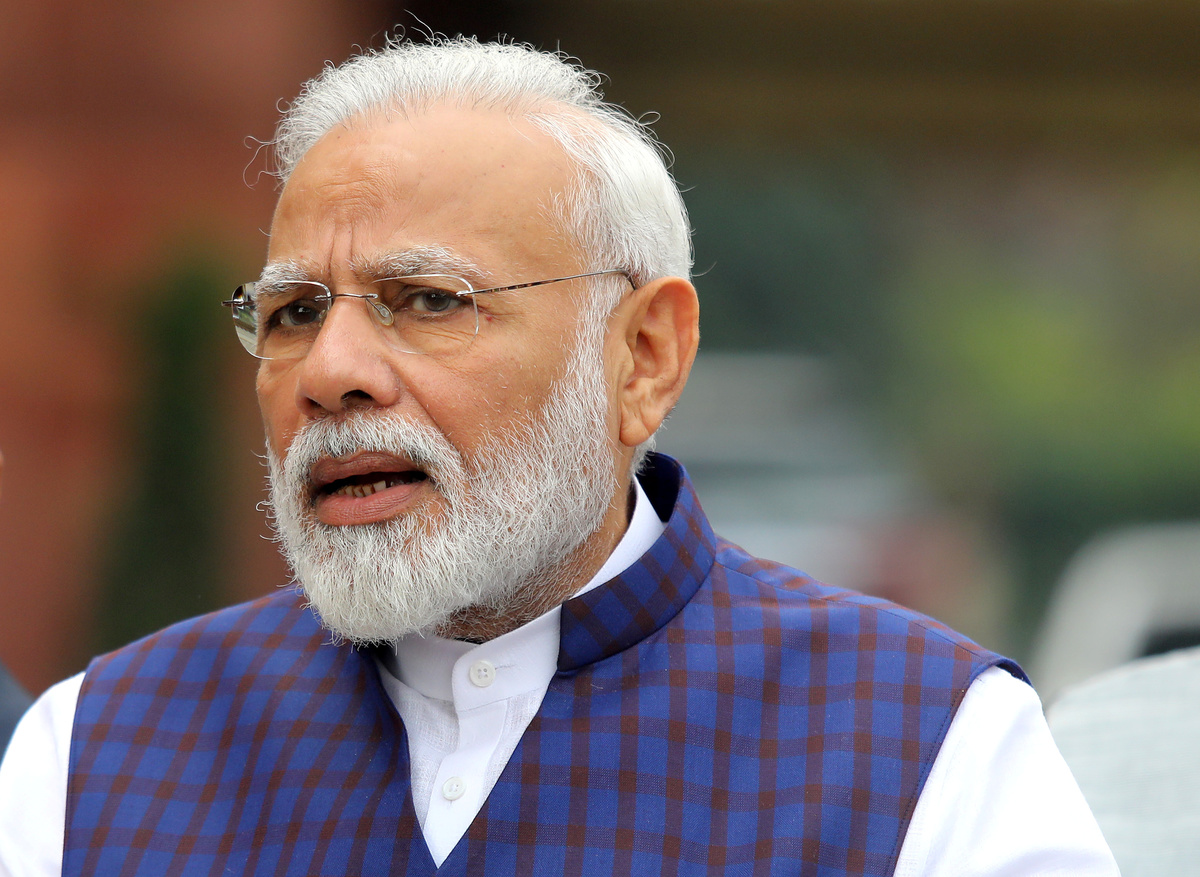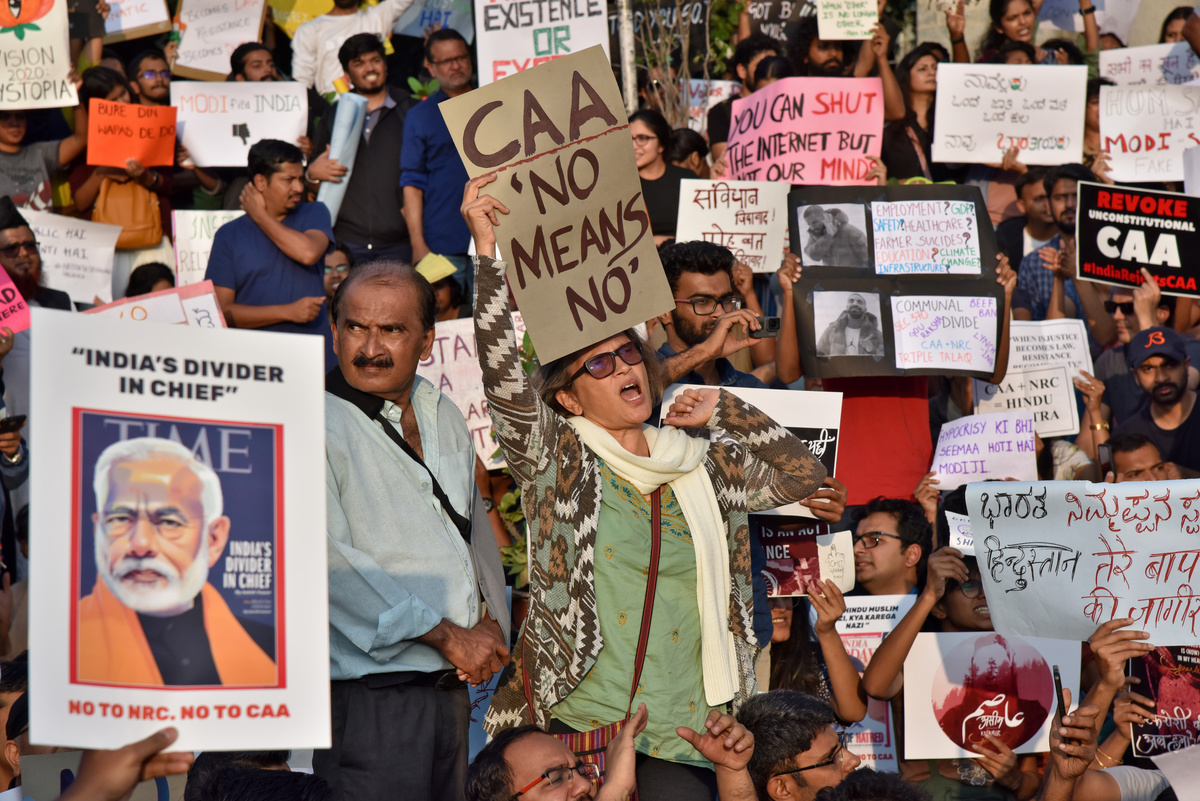
NEW DELHI (Reuters) - Following days of violent, sometimes deadly protests across India against a new citizenship law critics say discriminates against Muslims, Prime Minister Narendra Modi led a rally on Sunday for his Hindu nationalist party in the capital.
New Delhi's state election early next year will be the first major electoral test for Modi's Bharatiya Janata Party in the wake of the mass demonstrations seen after parliament cleared the Citizenship Amendment Act on Dec. 11.
Several thousand people took part in Modi's rally where he accused the opposition of distorting facts to trigger protests.
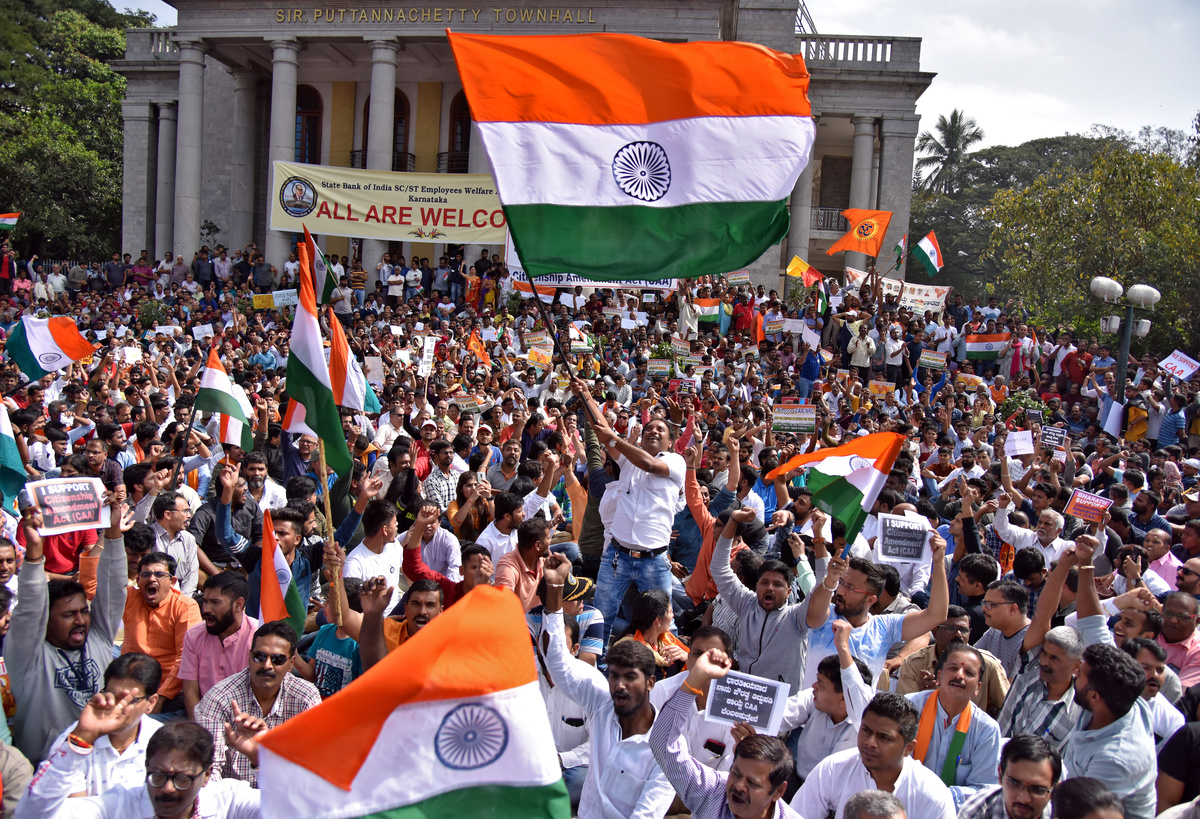
"The law does not impact 1.3 billions Indians, and I must assure Muslim citizens of India that this law will not change anything for them," said Modi, adding that his government introduces reforms without any religious bias.
"We have never asked anyone if they go to a temple or a mosque when it comes to implementing welfare schemes," he said.
Modi's nationalist party plans to hold more than 200 news conferences to counter the protests as anger grows over what critics say is an attack on the country's secular constitution.
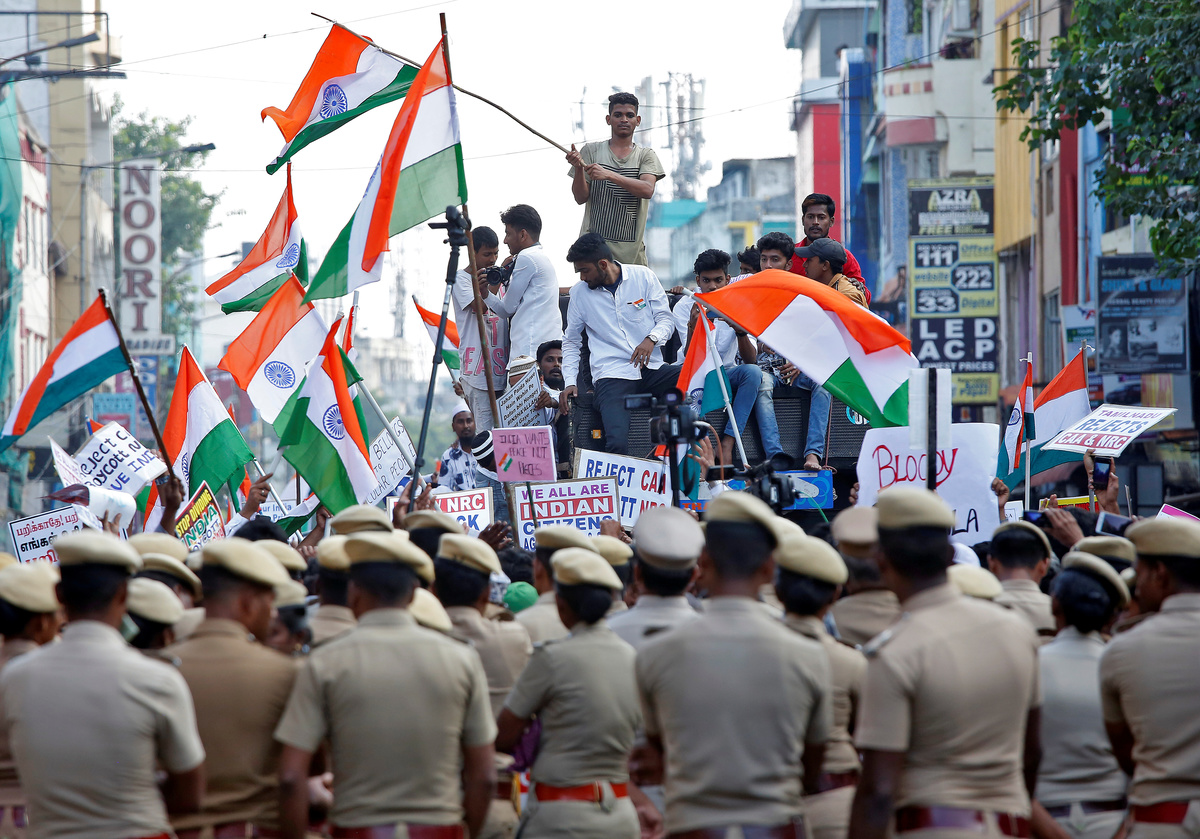
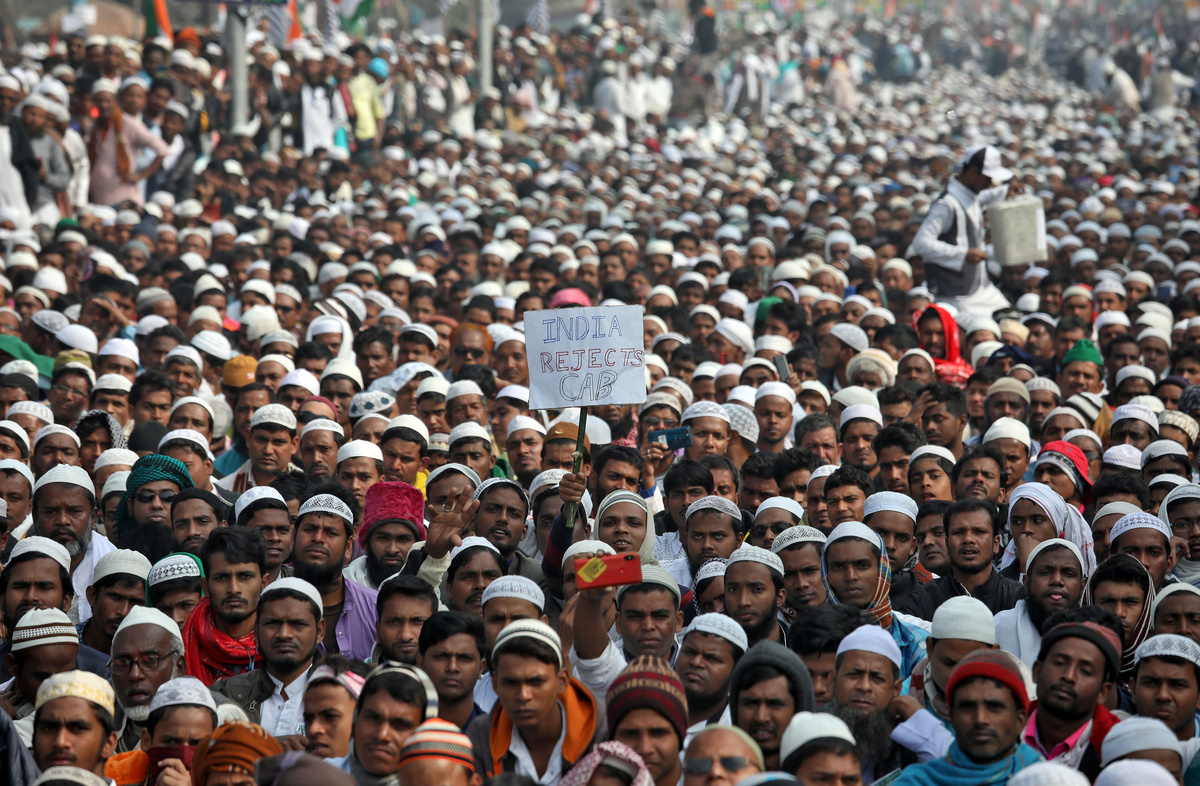
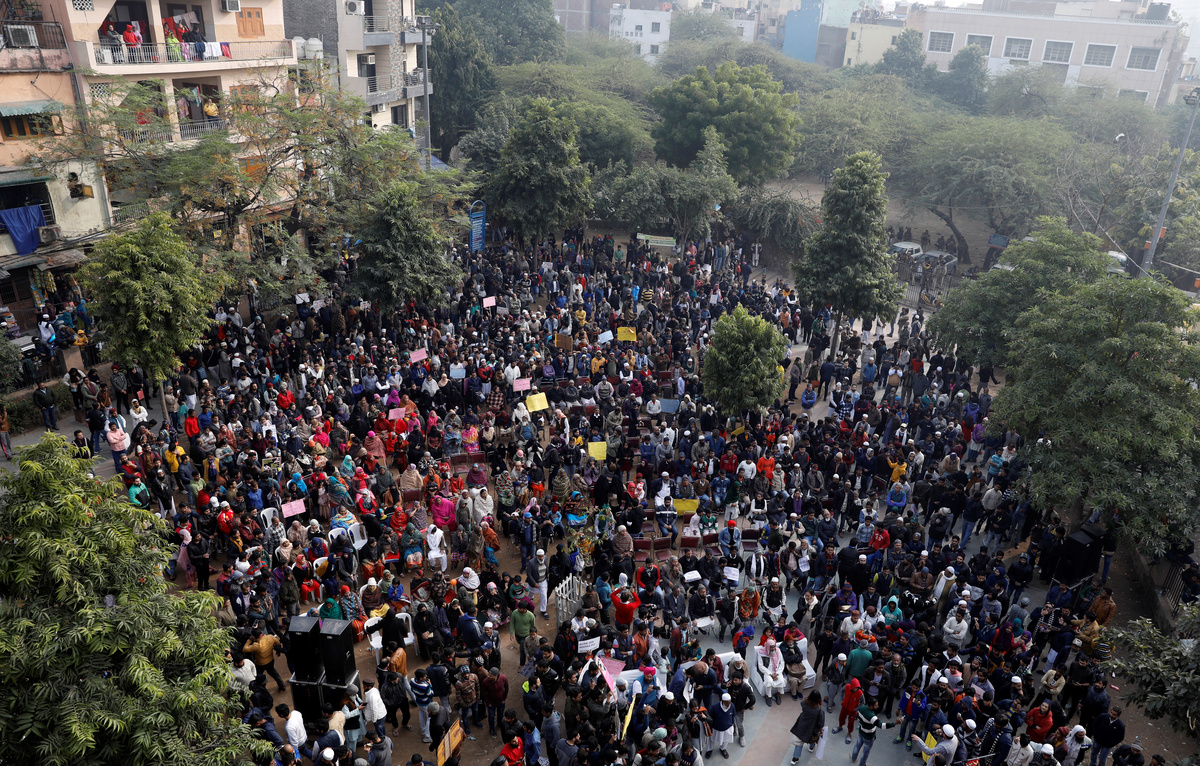
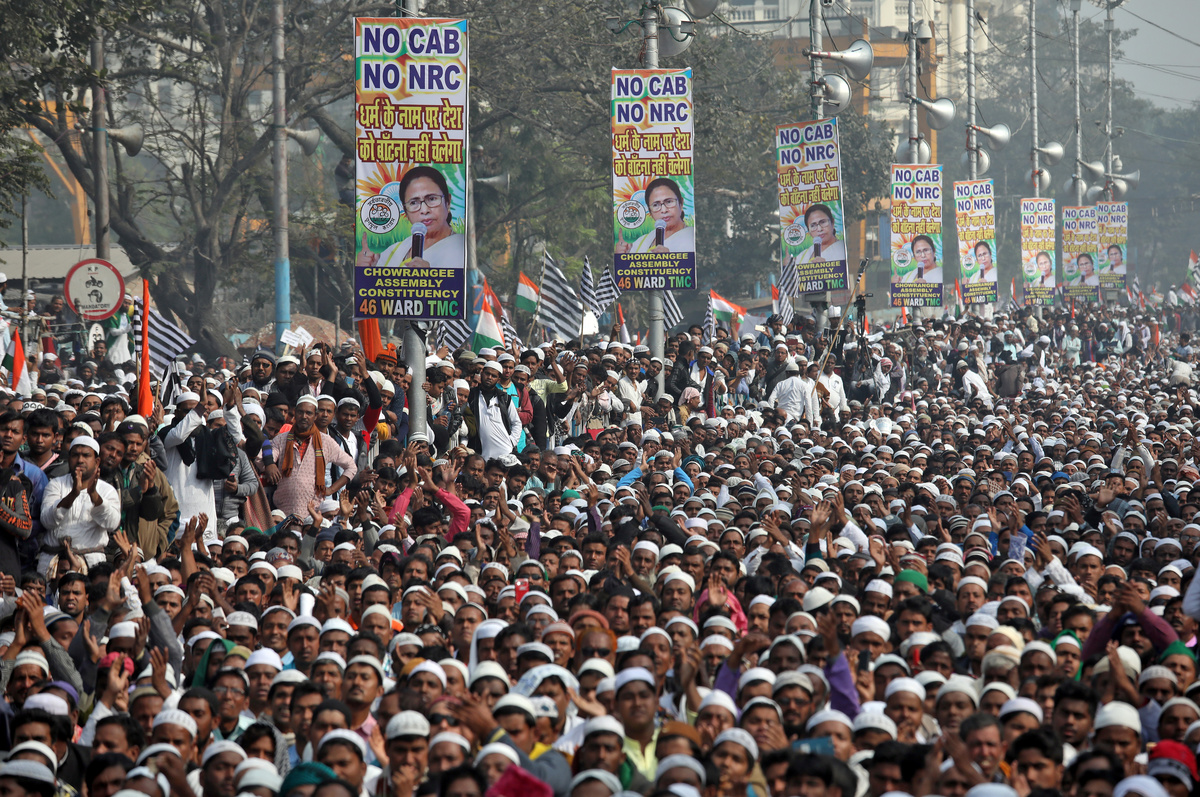
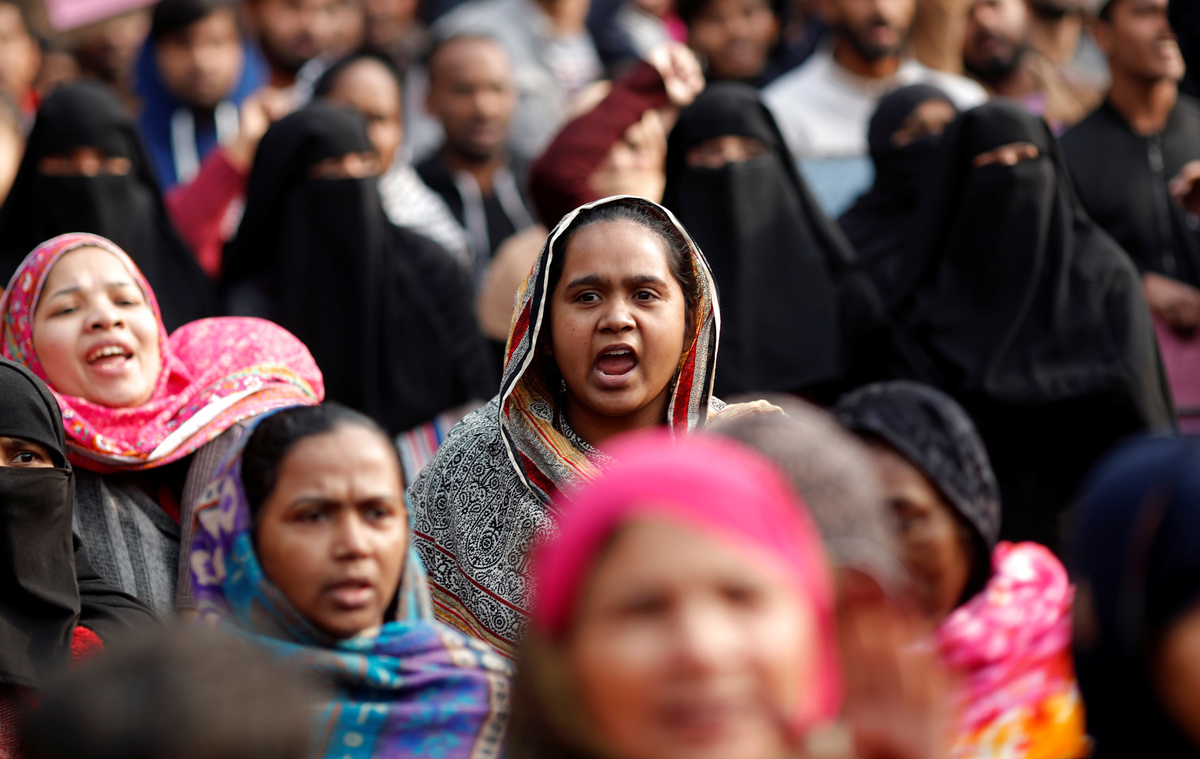
At least 21 people have died during clashes with police as thousands of people came out on the streets in towns and cities across the country to protest, marking the biggest challenge to Modi's leadership since he first swept to power in 2014.
Fresh demonstrations were planned for Sunday in New Delhi, and northern state of Uttar Pradesh, where the largest number of deaths have occurred.
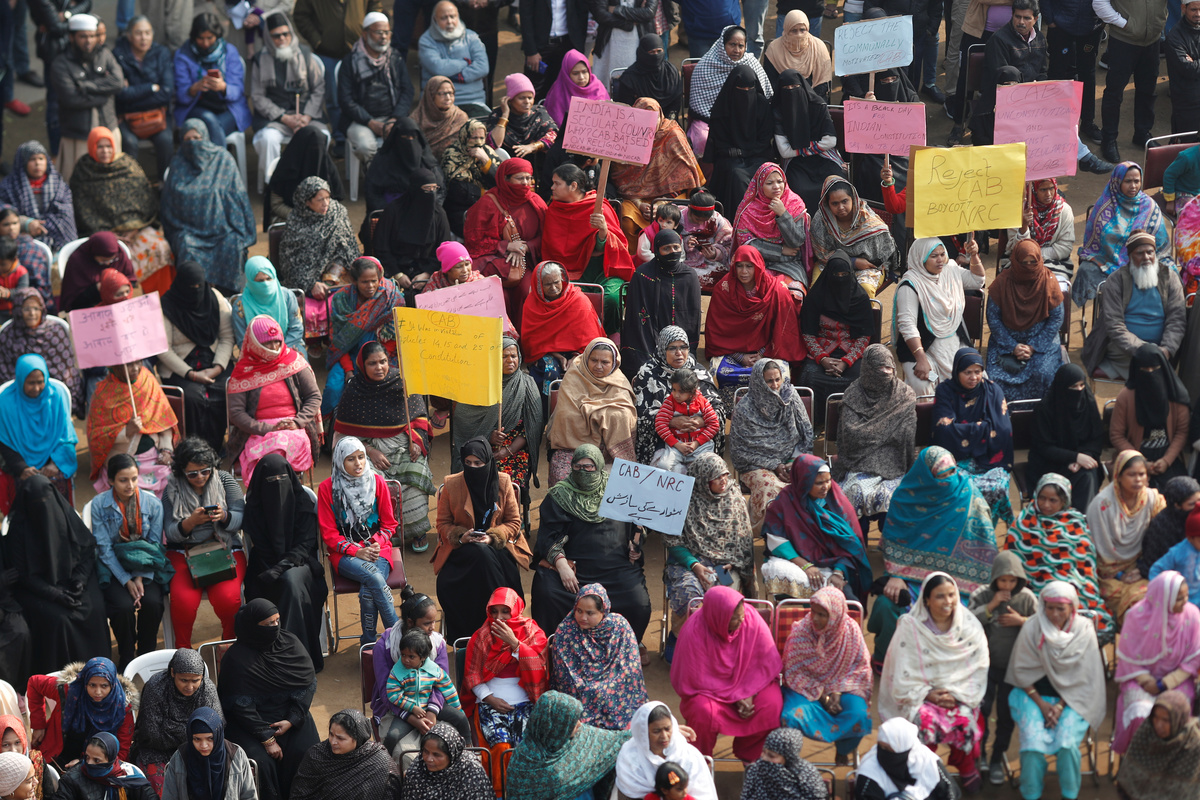
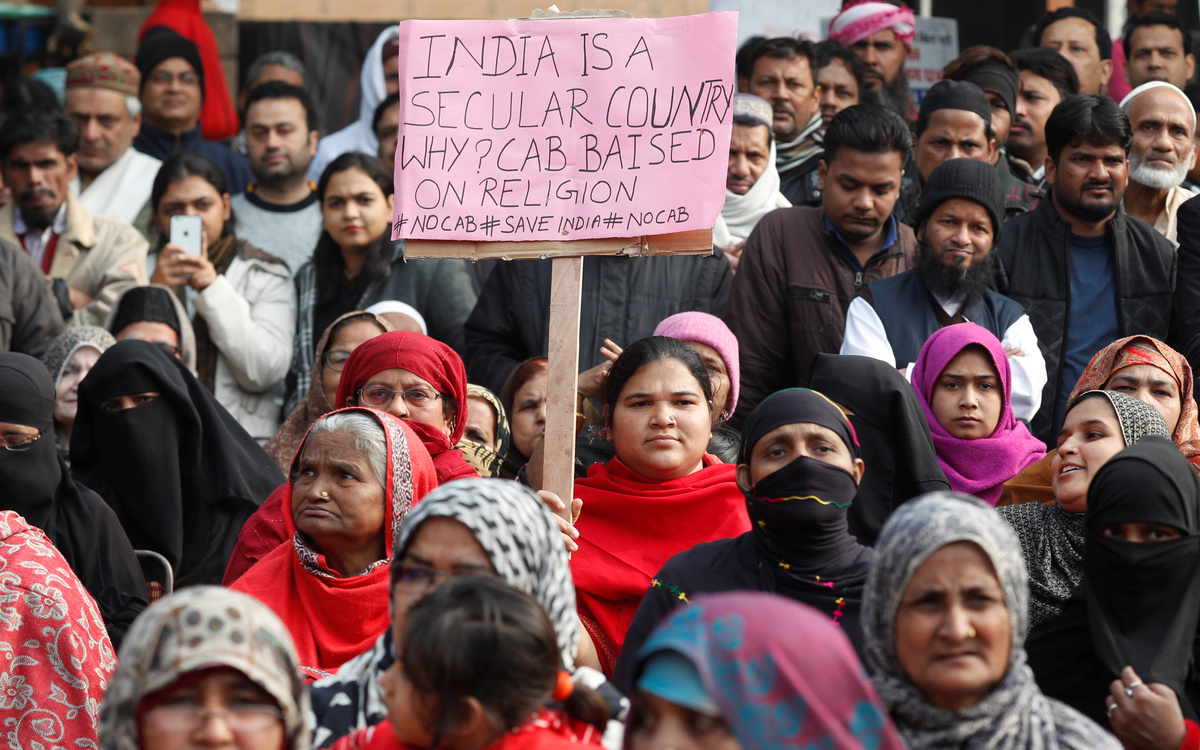
In most places, the demonstrations have been joined by people of all faiths, but Uttar Pradesh is a tinder-box for communal tensions between Hindus and Muslims, and authorities there have shut internet and mobile messaging services to prevent the circulation of inflammatory material.
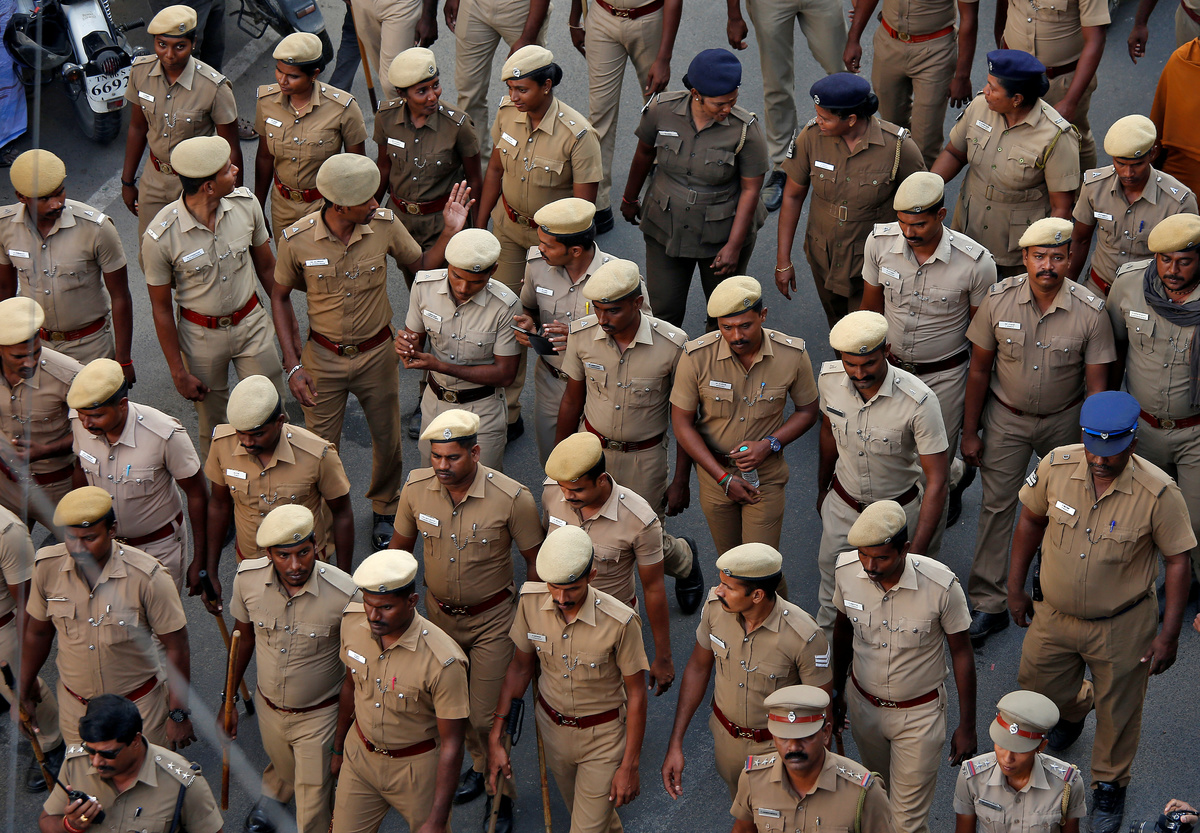
More than 1,500 protesters have been arrested across India in the past 10 days, additionally, some 4,000 people have been detained and then released, the officials said.
Criticism has also fallen on police, who have been accused of using disproportionate force, using baton charges, and tear gas, and entering university campuses and assaulting students.
Modi's government says that the new law is required to help non-Muslim minorities from Afghanistan, Bangladesh and Pakistan who fled to India before 2015 by providing them with a pathway to Indian citizenship.
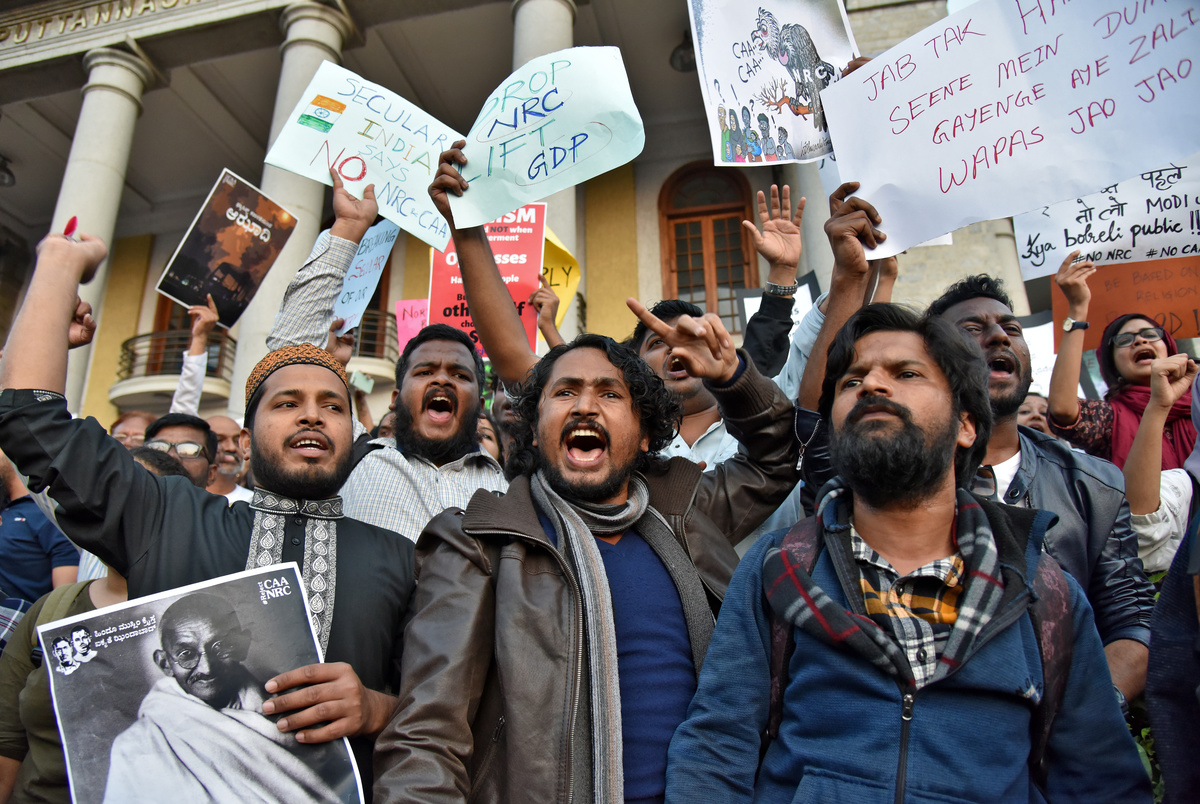
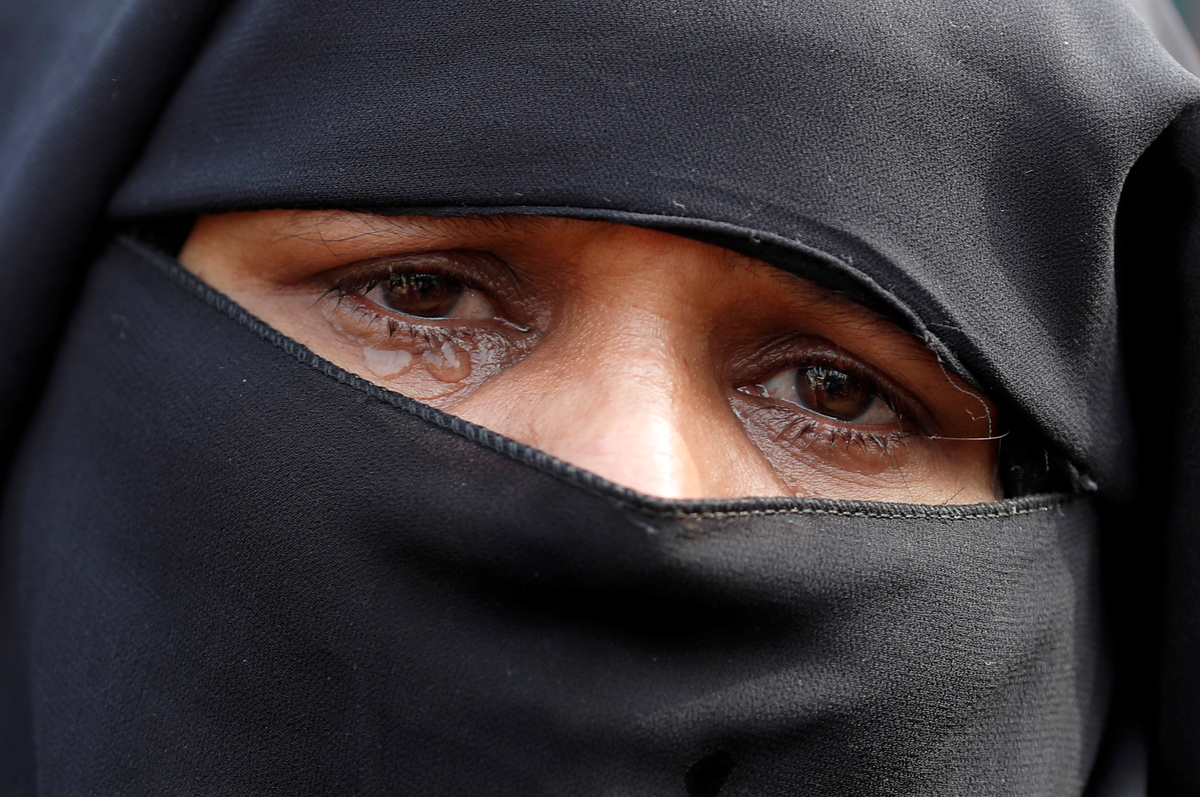
But many Indians feel that the CAA discriminates against Muslims and violates the country's secular constitution by making religion a test for citizenship.
Alarmed by spreading protests and the rising violence, authorities have order a shut down of internet and mobile messaging services in Delhi, shut metro stations and cancelled permissions for large demonstrations.
Still, on Friday, some protesters clashed with police and set a car alight before being scattered by a water cannon in a commercial in central Delhi close to where Modi held his rally on Sunday.
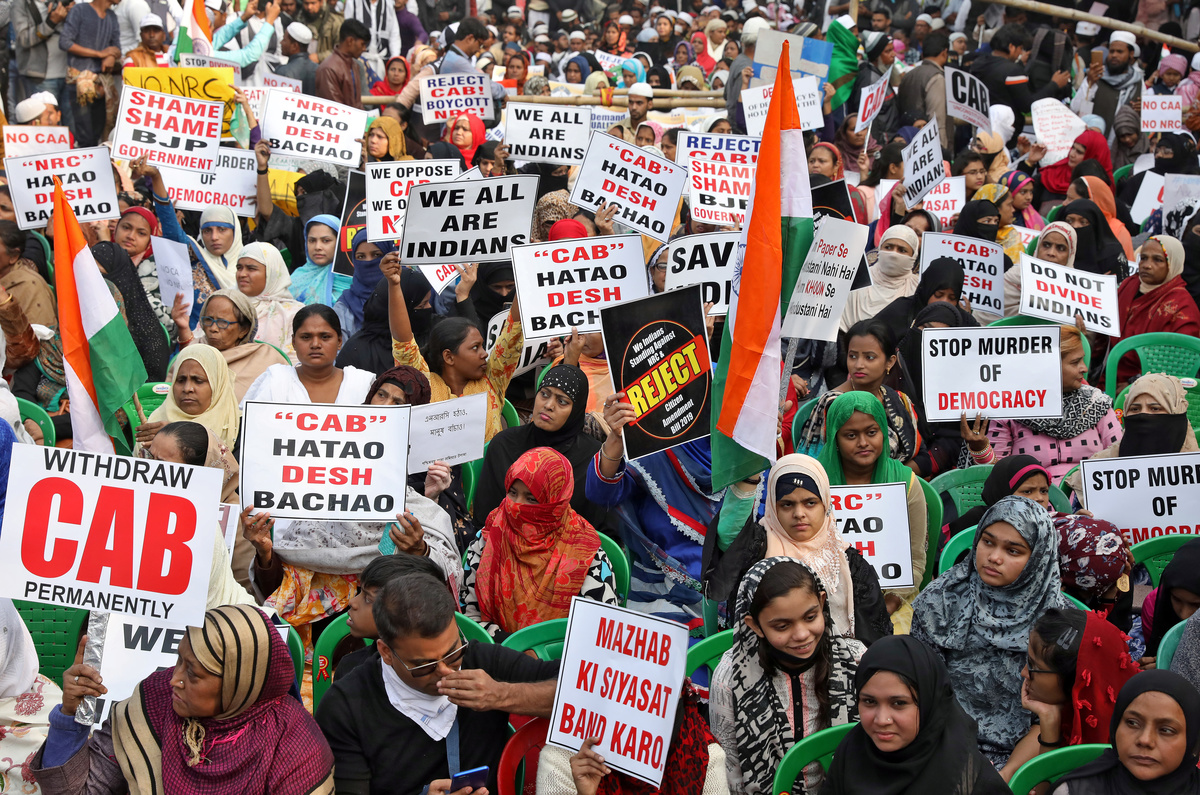
Earlier in the week, thousands of stone-pelting protesters battled police, who fired shots in the air and used tear gas, in north east Delhi.
The eastern state of Jharkhand is in the final stages of its drawn out election, with the count set for Dec. 23, and the fall out from the furore over the citizenship act will be more evident once Delhi votes in coming months.
A small regional party currently controls the state government in Delhi, but Modi's BJP is hoping the fulfilment of a series of major manifesto promises will galvanise its right-wing support base.
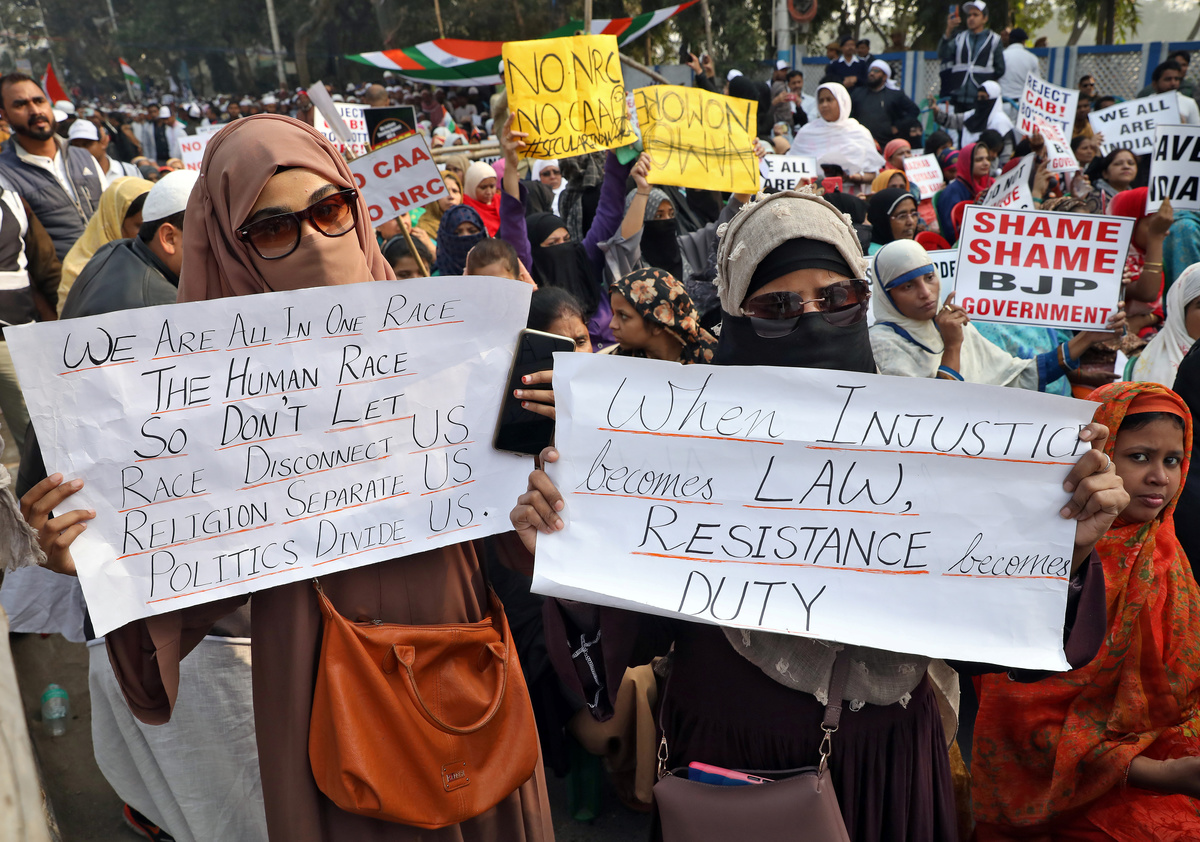
In August, Modi revoked the special status of the Muslim-majority Kashmir region, and in November, a court ruling cleared the way for the construction of a Hindu temple on the site of a mosque razed by Hindu zealots.
And now, with the CAA, some are questioning the government's stance towards Indian Muslims, who make up around 14% of the country's population.
Protests against the new law come amid the slowest economic growth in more than six years, rising unemployment and growing discontent by several surprise government decisions.
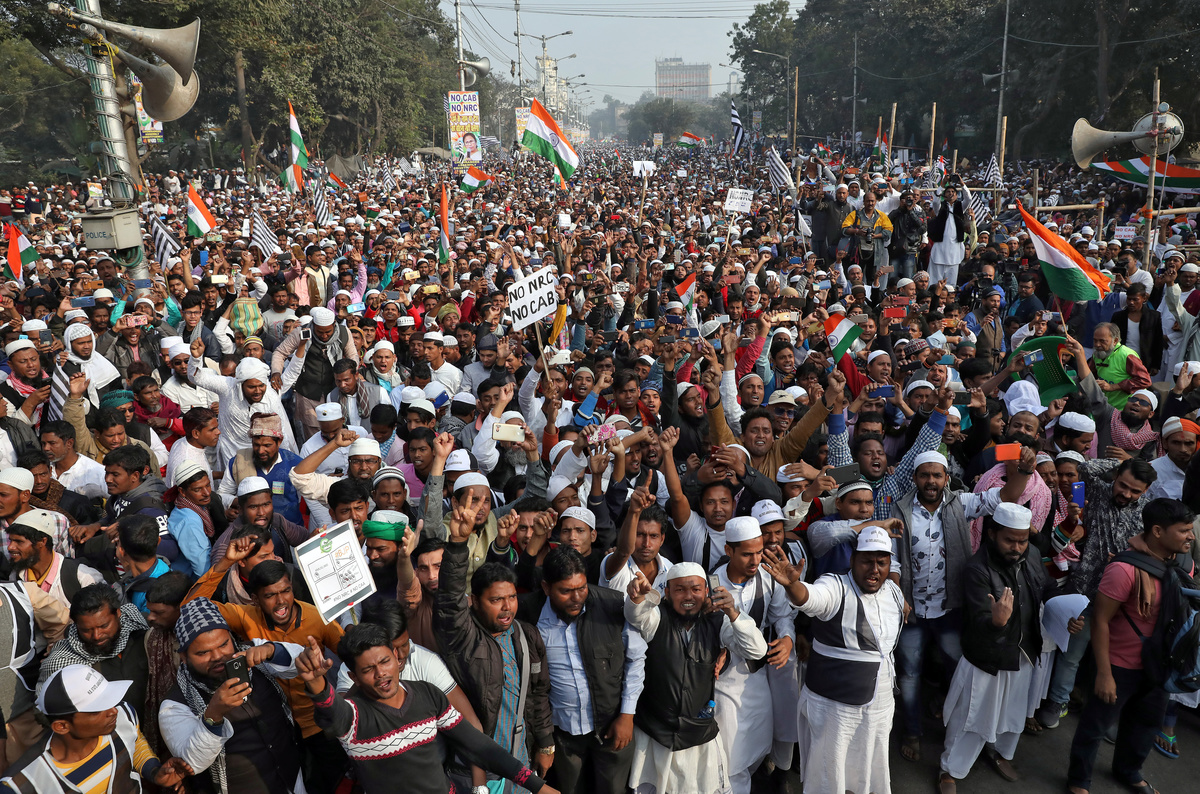
(Reporting by Devjyot Ghoshal in New Delhi, Rupam Jain in Mumbai, Editing by Simon Cameron-Moore and Christopher Cushing)