More than 35 million people around the world are trapped in a modern form of slavery, according to a report highlighting the prevalence of forced labour, human trafficking, forced marriages, debt bondage and commerical sexual exploitation.
The 2014 Global Slavery Index from the Walk Free Foundation, an Australian-based NGO, said as a result of better data and improved methodology it had increased its estimate of those living in slavery by 23% in the past year.
Five countries accounted for 61% of slavery, although it was found in all 167 countries covered by the report – including the UK.
India remained top of the list with an estimated 14.29 million enslaved people, followed by China (3.24 million), Pakistan (2.06 million), Uzbekistan (1.2 million), and Russia (1.05 million).
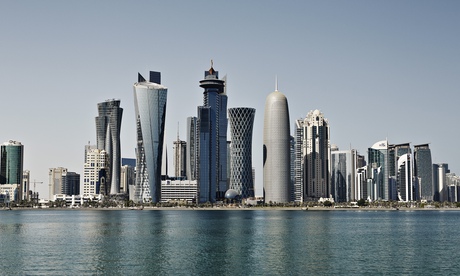
Mauritania had the highest proportion of its population in modern slavery, at 4%, followed by Uzbekistan (3.97%), Haiti (2.3%), Qatar (1.36%) and India (1.14%).
Andrew Forrest, chairman and founder of the foundation – which is campaigning for the end of slavery within a generation – said: “There is an assumption that slavery is an issue from a bygone era. Or that it only exists in countries ravaged by war and poverty. These findings show that modern slavery exists in every country. We are all responsible for the most appalling situations where modern slavery exists and the desperate misery it brings upon our fellow human beings.
“The first step in eradicating slavery is to measure it. And with that critical information, we must all come together – governments, businesses and civil society – to finally bring an end to the most severe form of exploitation.”
Countries identified as leading the fight to end modern slavery include the Netherlands, Sweden, the US, Australia, Switzerland, Ireland, Norway, the UK, Georgia and Austria. But only three governments – in the US, Brazil and Australia – were making some some effort to address modern slavery in government procurement and in the supply chains of businesses operating in their countries.
Modern slavery is a live political issue in the UK, with the modern slavery bill moving through parliament and David Cameron highlighting it in his speech to the Conservative party conference this year.
The prime minister said: “But there’s still more injustice when it comes to work, and it’s even more shocking. Criminal gangs trafficking people halfway around the world and making them work in the most disgusting conditions. I’ve been to see these houses on terraced streets, built for families of four, cramming in 15 people like animals. To those crime lords who think they can get away with it, I say, ‘No: not in this country; not with this party.’ … With our modern slavery bill we’re coming after you and we’re going to put a stop to it once and for all.”
Olly Buston, movement director of the Walk Free Foundation, said: “There is still a chance that the modern slavery bill will make Britain’s anti-slavery laws the best in the world. But the draft bill must be strengthened. Children and other victims of slavery need to be properly protected. And the bill must ensure that businesses take action to end slavery in their supply chains”.