A ceramics expert says that after discovering a £1m collection of modern British pottery in a bungalow in Leeds, he knows how Howard Carter felt when he peeped into a long-lost tomb and got his first glimpse of the treasures of Tutankhamun.
No, he doesn’t. Carter found wonders that tell of a lost world. The hoard of ceramics found in Leeds and being hailed as a marvel is just a collection of prissy, repressed, pseudo-artistic vases and bowls.
There is nothing more boring than modern pottery. My eyes glaze over at the names of revered “makers” like Lucy Rie and Hans Coper – the very names being touted as the stars of the collection assembled over decades by Pat and Alan Firth.

Clearly, the Firths were very tasteful people. For there is nothing so tasteful as a simple, clean-lined modern vase. And nothing so dull. Modernist ceramicists in 20th-century Britain combined the idealism of the William Morris tradition with an abstract austerity inspired by ancient beakers and bowls. The result is a style of domestic object that exudes holier-than-thou morality, sexless artistic restraint and oatmeal puritanism.
Just one look at the kind of precious craft objects the Firths favoured makes me want to pig out on a book of Jeff Koons kitsch while eating a monster bag of Doritos and putting my beer can on the arts and crafts table without using a coaster. Pop art was born to free us from this cult of the handmade. Plastic was invented so we’d never again have to pretend that vases are art.
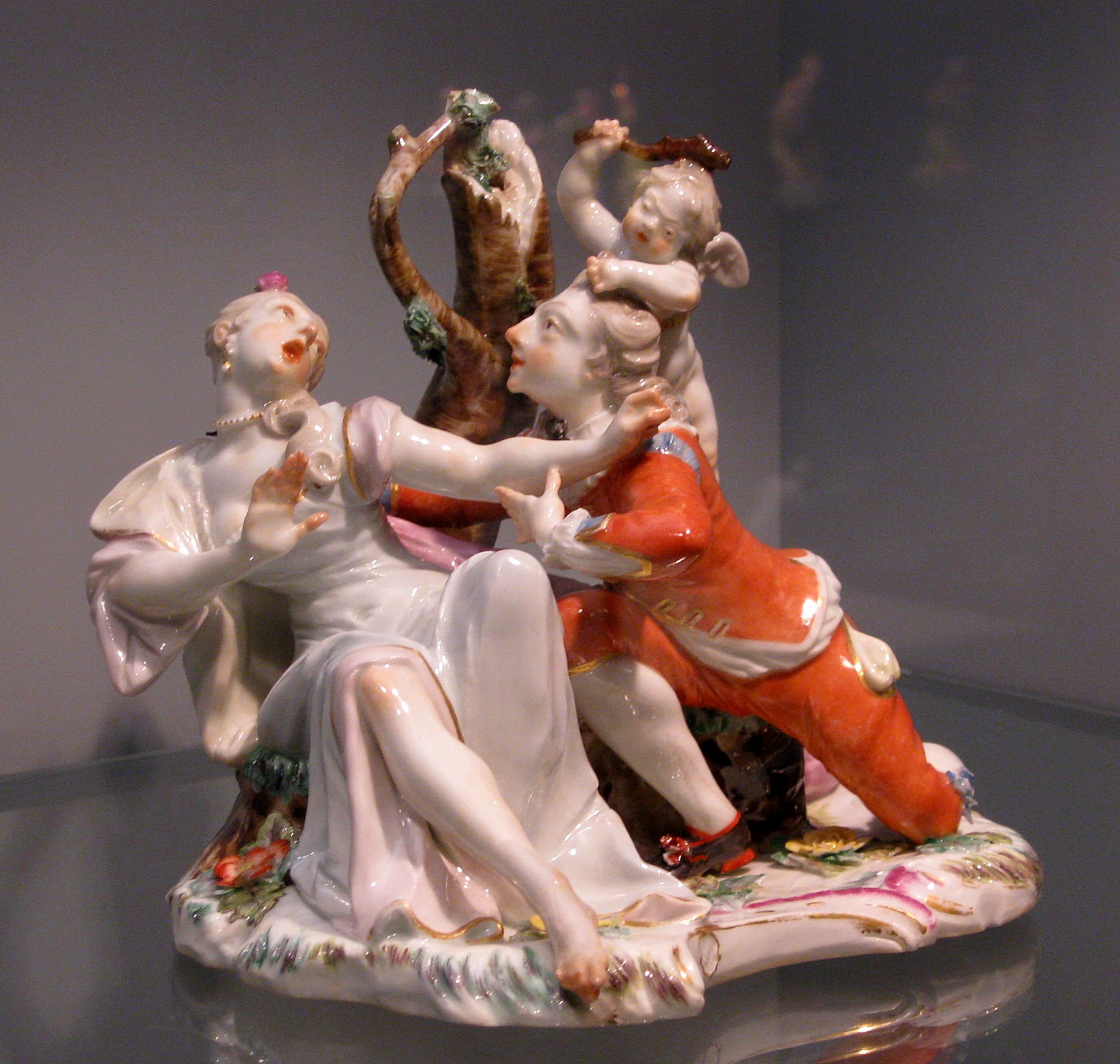
OK, that’s going too far. The history of ceramics is splendid and rich. In the V&A’s gorgeous ceramic galleries you can feast your eyes on a stupendous array of pottery, from blue ancient Egyptian earthenware sculptures to porcelain animals made in 18th-century Prussia. There is no restraint or repression in the long history of ceramic art before the 20th century. Renaissance painted plates, rococo lovers – the variety and creativity with which people have given form to clay, throughout history, is astounding.

Yet it all narrows when you follow the story into modern times. Modernist potters have a hallowed conception of their craft. The serious modern potter is an abstract artist in clay and a priest of a nobler, simpler way of life. It is hard work revering such objects. Why should I?
Only Picasso understood the power of clay to create the modern (or postmodern) form. Picasso’s ceramics are magical; he conjures up mythic creatures and fills his designs with primal joy.
We crave craft. Cake making, pottery – it all frees us from the readymade supermarket world. I am not surprised the BBC is following up The Great British Bakeoff with The Great Pottery Throw Down. But the hyping of this Leeds pottery hoard reveals how confused we are about what constitutes creativity in clay. A reverence for dreary elegance crushes imagination. I hope the potters in the new BBC show do not turn out lots of safe, respectable Morandi-like vessels.
Instead, I hope they shape sloppy animals, tottering towers, grinning faces and whatever even more bizarre wonders the kiln can fire – the kind of stuff the Firths would never have given house space.















.JPG)