Dr Ibrahim Gambari is not a miracle-worker, and we shouldn't expect miracles from his current mission to Burma. This is not to say that the UN's diplomacy is unimportant, but it's unlikely to make much difference unless it's part of a broader and more coherent international strategy. And what that strategy should be depends on the answer to a very basic question: is the aim in Burma regime change, or something else?
Would we be satisfied with a less repressive and authoritarian government, one that developed the economy and ended the worst human rights abuses in the country? Or is nothing possible without a complete end to military rule? Would we be happy if Burma were more like, say, Vietnam? Or China for that matter? Or is the only aim some sort of revolutionary change, at any cost?
In thinking about this question, it's important to appreciate the nature of the Burmese military regime. This is a regime that has evolved in self-imposed isolation for over four decades, and which has remained unmoved by two decades of western sanctions and condemnation. The ruling elite is one of the most intellectually isolated anywhere in the world, and the normal instruments of pressure or persuasion are unlikely to have much effect.
It's also important to remember that Burma is a country that has been at civil war for nearly the entire time since it became independent from Britain in 1948. There are over two dozen insurgent armies in the country, and though the vast majority have agreed ceasefires with the government, the country is far from any sort of stable peace. An army that has waged brutal counter-insurgency operations for half a century is an army unlikely to hesitate when ordered to fire on unarmed civilians.
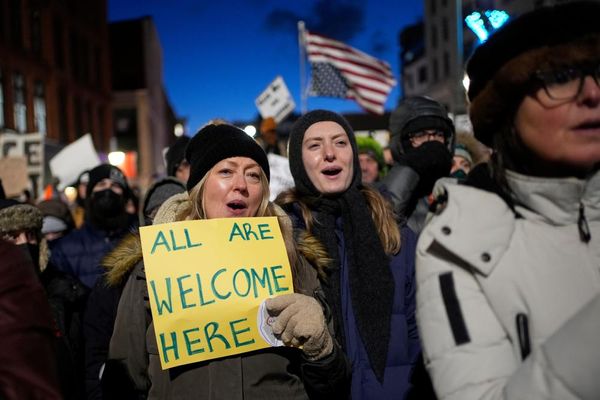
Many will have hoped that this past week's protests would lead to revolutionary change. But that would have required some break within the regime itself, with some part of the military turning on its own leadership. There is nothing in the regime's past to suggest that this was ever going to happen. The crackdown of recent days, in particular the unprecedented violence shown against the Buddhist monks and monasteries will have shocked many Burmese, and yet we see no sign of dissent from within the army's ranks.
In recent days, there have been calls on the Chinese to help. The Chinese are far and away the country with the most influence over the generals. But the Chinese agenda in Burma is of an altogether different nature. The Chinese would like to see stability and economic development in Burma (with Chinese access and influence) and have obviously no interest in democratic change, especially one led by Buddhist monks. It's hard to see any international action on Burma being successful without the Chinese on board. But cooperation between the west and China over Burma will be meaningless unless there is some common understanding of the problem and the way ahead.
And so we get back to the basic question - are we pushing for regime change or something else? It's not good enough to say, well, we would prefer democratic change but would settle for now for some improvement in the regime's policies. The two aims lead in very different policy directions - one involves gaining the government's confidence, working in partnership with the Chinese, and shifting the focus towards ending the armed conflict and improving economic management. The other requires a much harder line and is one for which the west might find little regional support. Sanctions will have no effect unless the Chinese are on board and the likelihood that China will impose sanctions on Burma is virtually nil. There are problems with both approaches, but a difficult choice needs to be made.
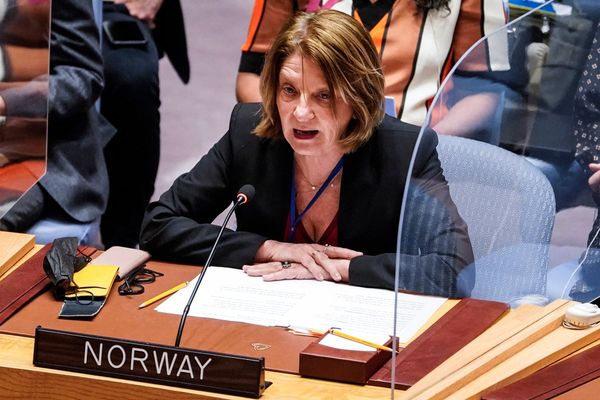
Dr Gambari will leave Burma sometime this week and will report soon to the UN security council. He will have delivered a tough message to the authorities that violence against peaceful protests is simply unacceptable. His importance is as a channel to the army leadership and as the only channel to Aung San Suu Kyi, whose immense popularity makes her critical to any way forward. Perhaps his talks will have led to some progress. But without clearer aims and a more coherent international strategy, there will remain little hope for the long-suffering people of Burma.