One of the barriers that could prevent housing providers building new homes is the gearing covenants contained within their loan agreements. These covenants restrict the amount they can borrow to a percentage of the overall worth of the organisation.
Typically gearing covenants are set at between 65% and 80% of overall net worth. Many housing providers have now borrowed so much to fund their development programmes that they are bumping up against the ceiling imposed, and this is now threatening to restrict their ability to continue to build. Their lenders won't let them breach those thresholds and, in any event, the boards of these housing associations will have concerns about the prudence of pushing levels of borrowing ever higher. The problem is a major cause of insolvencies in the private sector.
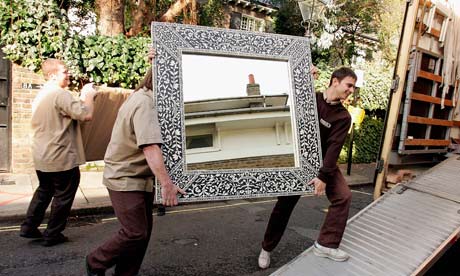
One proposed solution is to create "mirror associations". The idea is that a housing association creates a new registered housing provider with the same board and same staff – a mirror image of itself. This new association can then build and fund new homes because it has no existing debt and no gearing covenants to adhere to.
This is certainly an interesting concept, but will it work in practice? There are some critical issues that need to be considered.
Firstly, as the mirror association has no assets and no track record, how will it fund new developments? The accepted view seems to be that the existing housing association will fund and undertake these new developments and then transfer the completed schemes – plus the associated debt – to the mirror association, which would then have an asset against which to borrow to service that debt.
So will lenders be willing to fund them? And if so on what rates? It is by no means certain that lenders would offer a mirror association the same terms as they would offer an existing registered housing provider.
Next, assuming assets can be transferred across and the mirror association can obtain loan facilities to pay off the accompanying debt, how long would it take before the mirror association came up against its own gearing covenant ceilings? Given that grant funding levels are now around 20% of total scheme costs, it won't take long. The current affordable housing programme was supported by housing providers contributing to the costs of schemes from their own reserves. That is not going to be an option for a mirror association as it won't have any.
Mirror associations may assist in some cases, but given the flaws in this business model they are unlikely to make a major impact on the number of homes the social housing sector is able to build in future. The real inhibitors to building new homes lie elsewhere: the cost of land, lack of government investment and a depressed housing market.
Hugo Stephens is a partner in the social housing team at Cobbetts LLP
This content is brought to you by Guardian Professional. Join the housing network for comment, analysis and best practice direct to you