MINNEAPOLIS — Minneapolis residents can expect to see more police officers and National Guard troops around the city, as elected officials move forward with security plans ahead of the first trial in George Floyd's death.
City officials have begun placing concrete barriers and other "fortifications" around government buildings, including police precincts.
A small number of National Guard members will soon be working downtown, testing radio systems in what police described as standard practice before jury selection begins March 8.
"Our business owners and residents along our main commercial corridors — whether that's Lake Street, Lyn-Lake, Washington, Broadway, Hennepin or the Nicollet Mall — can expect to see high visibility patrols that would include local police and our National Guard soldiers," Minneapolis Deputy Police Chief Erick Fors said in a news conference Wednesday.
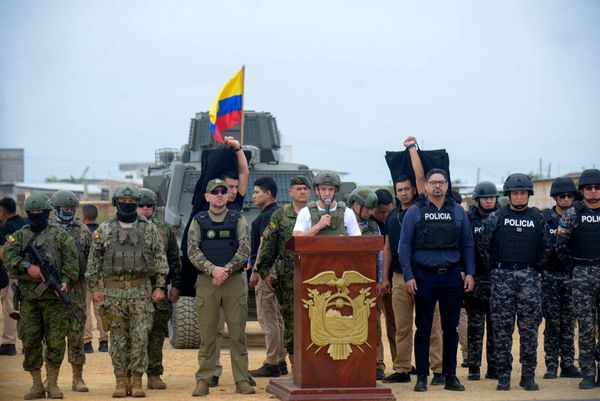
State and local officials are moving forward with a plan to bring in thousands of police, sheriff's deputies and National Guard members — a decision that is welcomed by some residents who want a large law enforcement presence to thwart rioting but worries others who fear that victims of police brutality will be retraumatized.
As they move forward, key questions remain about who will pay the bill.
Minnesota lawmakers are trying to break through a stalemate over the creation of a State Aid For Emergencies account that would reimburse agencies offering assistance.
In the meantime, Minneapolis police have asked City Council members to give them permission to enter into mutual aid contracts with at least 14 other agencies and to reimburse them if the state fails to create the new fund.
Robin McPherson, the Police Department's financial director, told council members Wednesday afternoon that they expect the costs could run as high as $1.5 million. The department hopes to cover the funding in its normal budget, but could ask city leaders for additional money later in the year if circumstances change.
Some council members, including Council President Lisa Bender, said they wanted more information about the city's efforts to prepare for the trial.
"I think it's a little challenging for us to vote ... on consent with such little information," Bender said.
The City Council is scheduled to host a virtual, public meeting on trial preparation efforts Monday morning.
Council Member Lisa Goodman said she asked for a briefing on Monday in hopes it would provide more information for residents who are feeling anxious and stressed ahead of the trial. Still, she urged her colleagues to quickly approve the effort to contract with other agencies for assistance.
"Quite frankly I'm concerned, and I would think all of us should be concerned, that we have become fodder at the Legislature about whether or not mutual aid … is something the city of Minneapolis actually wants," she said.
On Friday, the council will also consider approving an effort to spend nearly $1.2 million to contract with community groups that aim to ease tensions surrounding the trial and, if needed, pass along community concerns to local leaders.
Minneapolis officials are also urging business owners to consider whether they want to board up their buildings, to make sure their insurance policies are up to date and cover their needs and, if they hire private security, to use services licensed by the state.
———
Star Tribune staff writer Jessie Van Berkel contributed to this report.)