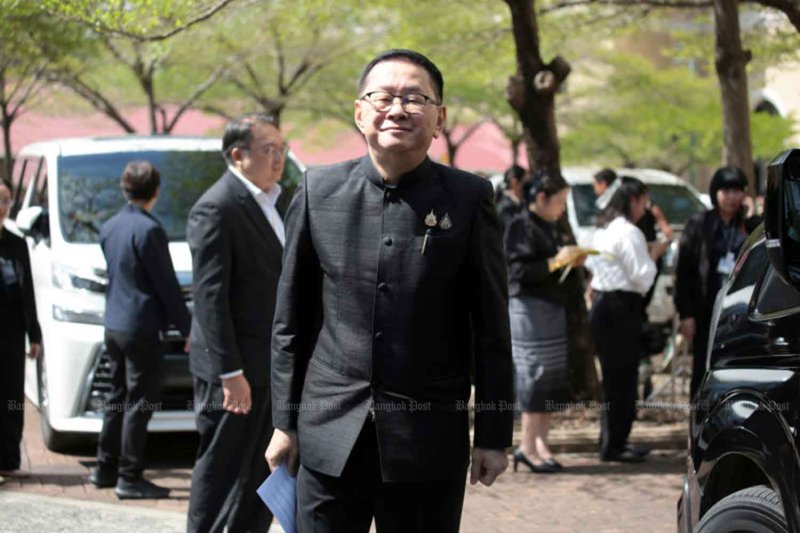
The Education Ministry has defended its plan to use artificial intelligence (AI) to help teachers produce short educational videos for TikTok, after the initiative sparked criticism from opponents who argued it contradicted global efforts to curb children's social media use.
The controversy emerged after Education Minister Prasert Jantararuangtong met executives from TikTok Thailand to discuss promoting educational content on the platform. The ministry also plans to sign memorandums of understanding with several sectors to support education initiatives.
Under the proposal, AI technology would help teachers create two-minute educational video clips. Officials say the system could reduce workloads, simplify lessons for students and save time spent preparing teaching materials.
The plan quickly drew criticism online, with opponents arguing that many countries are moving to restrict children's access to social media rather than incorporating such platforms into education.
Responding to the backlash, Education Ministry spokesperson Tatiyaphat Pitisetthapan said the ministry understood public concerns over screen time and the impact of social media on children.
"It cannot be denied that digital technology has become part of learning and daily life for modern children," he said. "At the same time, the ministry recognises concerns about the effects of digital media on children's concentration, development and wellbeing."
Mr Tatiyaphat stressed that the ministry was not encouraging children to spend more time on social media, but instead wanted students to develop digital and AI literacy in a safe and appropriate way.
"The principle is that technology must be a tool for learning, not the goal of education," he said.
He added that the ministry's policy centred on age-appropriate technology use that would not unnecessarily increase screen time or harm children's development, wellbeing or academic performance.
"What we really want is for children to use digital tools appropriately."