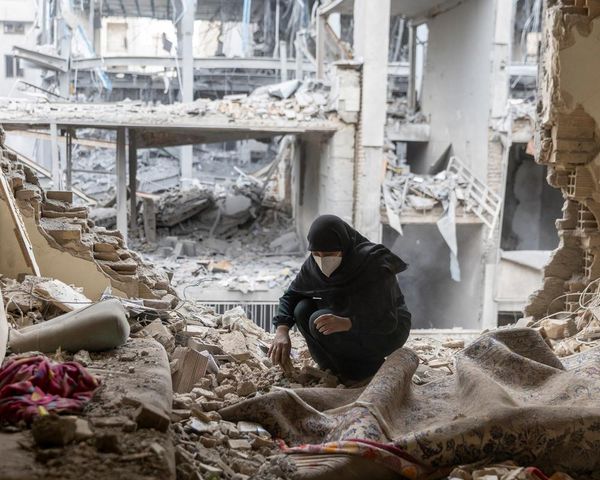
The UK’s treatment of child refugees is to be reviewed after pressure from Labour MPs and campaign groups, who have criticised the process for taking in unaccompanied minors.
Edward Timpson, an education minister, announced that the government is to publish a strategy by next May to examine how vulnerable asylum-seeking children can be protected.
The new strategy will look at speeding up the process that identifies whether refugee children have a legal right to live in Britain.
Funding for local authorities to support and care for refugee children will be regularly reviewed and children’s commissioners across the UK could be given powers to make representations on behalf of minors coming to Britain.
Ministers will also consult on what more they can do to prevent these vulnerable children from going missing and look at introducing a standard set of actions for police who encounter an unaccompanied asylum-seeking child.
It comes after criticism of the government from France and a number of MPs for the slow processing of refugee children who claim to have family links in the UK.
Alf Dubs, the Labour peer, and Stella Creasy, the Labour MP, who have both highlighted the plight of child refugees, issued a joint statement saying it was “very welcome that the government has listened to our case to safeguard refugee children in Europe and recognises their vulnerability as well as the importance of working with the children’s commissioners and local government”.
“Yet we know there is still much to do to help the 1,500 children stuck in containers in Calais right now or who are being moved to other centres by the French authorities,” they said.
“With Brexit putting in question our ability to cooperate with other nations in dealing with refugees, we urge the government to ensure this is included in their negotiations so that we can avoid the chaos we have seen in Calais happening again in the future.”
Yvette Cooper, chair of the Commons home affairs committee, said the announcement of a strategy was “much needed and welcome” but highlighted the number of child refugees who will need help before the May strategy is published.
“At a time when children have become the biggest casualties of the refugee crisis facing abuse, exploitation and abandonment, action is needed by all European governments to support children and teenagers,” she said.
“A huge amount of work has been done in the last couple of weeks to assess and transfer children from Calais, and to ensure they have proper support when they arrive, but many children and teenagers are still waiting in very difficult conditions. More work is still needed to help child refugees in Italy and Greece too.”
About 200 refugee children have arrived in the UK since the start of the demolition of the camp in Calais and a few hundred more are expected to come in the next few weeks. Charities have warned that there is a risk of children going missing as the camp is bulldozed.
The French president, François Hollande, has been pressing the UK to take more of the 1,500 unaccompanied children who were housed in containers and are now being dispersed across France.
He called Theresa May on Friday to discuss the situation but the prime minister has not given any extra commitments to take child refugees above those who have the right to come to the UK under existing protocols.
Announcing the shakeup of the government’s strategy, Timpson said: “The government is committed to safeguarding and promoting the welfare of children, and providing help for those in genuine need of international protection.
“The UK takes its responsibilities towards children extremely seriously, and we already have a comprehensive approach to safeguarding children, including unaccompanied children.
“We recognise that the number of unaccompanied and refugee children arriving in the UK has risen over the last few years, including through the transfer of hundreds of children from Calais. Some of these children can be amongst the most vulnerable in society.
“That is why we are, today, committing to publishing a strategy, by 1 May 2017, which will set out further detail on how these children should be safeguarded and their welfare promoted.”