Once considered a holiday essential, sunscreen has firmly established itself as a non-negotiable component of daily skincare. Yet, as public awareness of SPF grows, navigating the nuances between mineral and chemical formulas can often feel perplexing.
Experts are now clarifying the fundamental distinctions between these two types of SPF, offering guidance on how to best protect skin and prevent premature ageing.
At their core, mineral and chemical sunscreens employ entirely different mechanisms to shield the skin. Abi Cleeve, a skincare expert and managing director of Ultrasun, explains: "Chemical filters work by absorbing UVA and UVB rays so that your skin cells don’t have to." In contrast, "Mineral – or physical – filters work differently, creating a barrier on the skin so that UV rays find it harder to penetrate and cause damage."
Dermatologist Dr Nora Jaafar elaborates that mineral sunscreens typically utilise ingredients such as zinc oxide and titanium dioxide to "reflect and scatter UV radiation at the skin’s surface." Chemical formulas, conversely, convert UV rays into heat, which is then released from the skin. Essentially, one absorbs, while the other deflects.
When it comes to combating wrinkles, pigmentation, and loss of elasticity, the method of application often outweighs the specific type of SPF used. Cleeve highlights that "UVA rays are the primary driver of premature ageing," noting their deep penetration and year-round presence, even on overcast days. While both mineral and chemical sunscreens offer protection against UVA and UVB rays, chemical formulas may require more frequent reapplication as their filters can degrade upon absorbing UV. Mineral filters, though more photostable, are more susceptible to being rubbed off through physical contact. Therefore, lifestyle factors, such as how often one touches their face, can influence the optimal choice.
The ideal SPF can also depend on individual skin type. For sensitive or reactive skin, mineral sunscreens are frequently recommended. Dr Jaafar states: "They are generally better tolerated […] because they are inert and less likely to sting or irritate." However, traditional mineral formulas can leave a white or grey cast, particularly on darker skin tones, though newer tinted versions have significantly mitigated this issue.
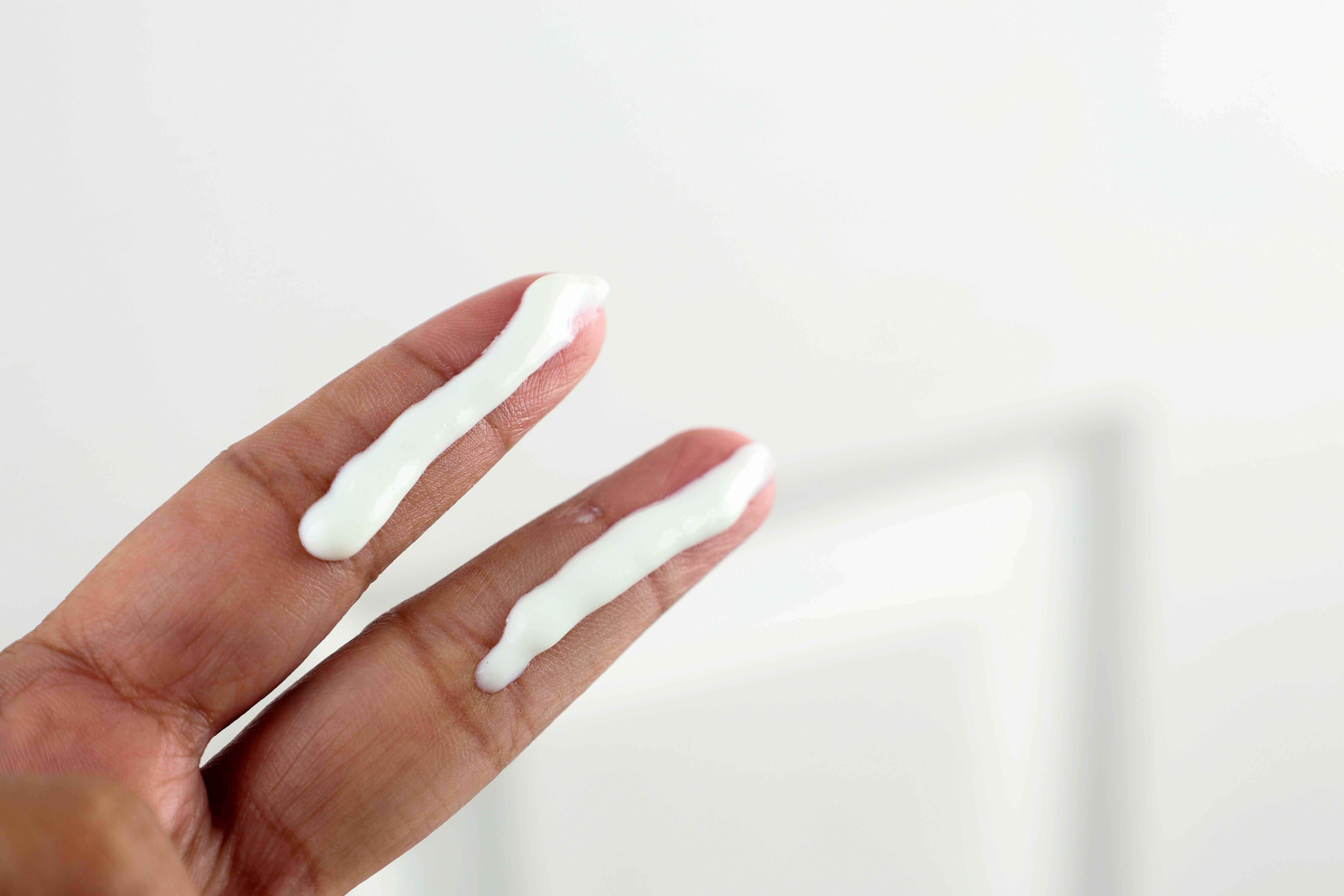
Chemical sunscreens, conversely, are often more cosmetically appealing due to their lightweight, transparent finish, making them easier to wear daily and under make-up. Cleeve also points out that full mineral formulas can sometimes feel heavier on the skin. She explains: "A physical barrier can prevent the skin from cooling naturally, which can trigger reactions like prickly heat in sensitive skin."
Regardless of whether it’s mineral or chemical, even the most effective sunscreen will fail if not applied correctly. Dr Jaafar advises: "SPF should always be the final step of skincare and applied before make-up." This ensures an even protective layer forms on the skin. Cleeve recommends application at least 15 to 30 minutes before sun exposure, ideally before leaving the house. While make-up containing SPF can offer some additional protection, it should not be relied upon solely, as it’s typically applied too thinly to deliver the stated protection level. For reapplication throughout the day, SPF mists are convenient, especially over make-up, but should be viewed as a supplement rather than a replacement for the initial application.
Ultimately, both mineral and chemical SPFs can provide effective protection when used correctly, contributing to healthy, youthful skin. Cleeve asserts: "Neither is categorically better, and the ‘mineral good, chemical bad’ narrative is an oversimplification." Both types have distinct advantages and disadvantages. Some argue that mineral sunscreens are a more eco-friendly option, as their zinc oxide or titanium dioxide components are considered less harmful to aquatic life than chemical filters like oxybenzone, octinoxate, and octocrylene – a factor worth considering when swimming in the sea.
In practice, the most effective sunscreen is the one that will be used consistently every day. Factors such as texture, finish, and how it feels on the skin are crucial for maintaining that consistency and ensuring adequate protection. As Cleeve concludes: "A formula you’ll actually use consistently will always outperform one that sits on the shelf.”