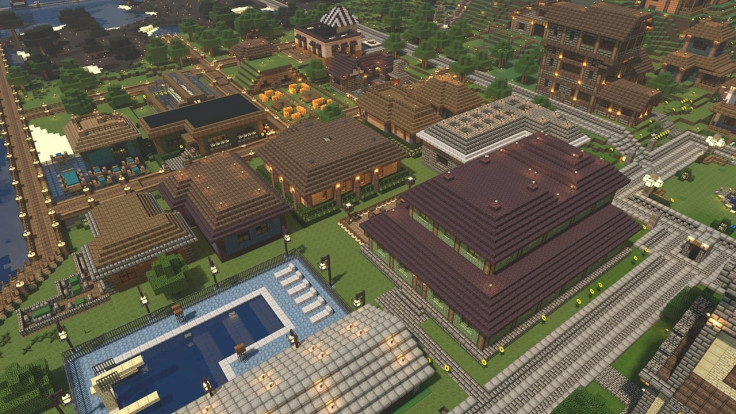
"Minecraft" world-building has evolved far beyond traditional base-building, turning simple seeds into living, handcrafted story worlds that feel more like handcrafted works than procedurally generated. Players now use roleplay world ideas to shape civilizations, conflicts, and mysteries that tie directly into the landscapes around them. Whether it's a valley transformed into a forgotten kingdom or a forest rebuilt as an elven sanctuary, every biome becomes an opportunity for creative storytelling. Instead of relying solely on structures that naturally spawn, players intentionally design narrative arcs that stretch across villages, temples, and ruins.
With creative storytelling driving long-term gameplay, worlds feel alive with lore, characters, and recurring events that develop across seasons. This narrative-first approach keeps players immersed for hundreds of hours, encouraging exploration through quests, faction politics, hidden ruins, and ancient histories. Through thoughtful "Minecraft" world-building, even ordinary terrain becomes the foundation for epic sagas.
Seed-Based Architecture & Creative Storytelling in 'Minecraft' World-Building
Seed -1966383177 is a prime starting point for deep "Minecraft" world-building, spawning desert temples that immediately inspire ancient lore. These naturally generated structures easily become the lost tombs of long-forgotten pharaohs, with players carving custom hieroglyphs into sandstone to document a fictional cataclysm. Taiga villages also offer strong roleplay world ideas, transforming into Viking-style settlements complete with longhouses, rune stones, and longships designed for raids on nearby mushroom islands. These biomes provide players with a believable foundation for creative storytelling, supporting narratives of exploration, conquest, or cultural traditions.
Ocean ruins deepen the world-building potential by serving as drowned pirate coves scattered across treacherous waters. Sunken treasure maps hidden inside these ruins can lead players to woodland mansions on faraway continents, creating multi-stage quests that feel hand-crafted. The result is a dynamic network of adventures grounded in realistic geography, supporting expansive roleplay campaigns where players gradually uncover the remnants of a forgotten maritime empire.
Roleplay World Ideas, Faction Capitals, and Persistent Story Arcs
Roleplay world ideas often rely on creating unique factions grounded in biome characteristics, which adds both diversity and narrative structure. A spruce village can evolve into an elven tree-city complete with sky bridges, watchtowers, and biodome-like sanctuaries woven into the canopy. Meanwhile, a savanna plateau becomes the perfect location for an orc fortress carved into mesa cliffs, forming a natural contrast between cultures. These faction capitals not only support creative storytelling but also act as visually striking landmarks within large-scale "Minecraft" world-building projects.
Nether portals can be redesigned as "rift events," dramatic occurrences that influence the overarching story. These portals may spark piglin invasions, triggering alliances between player factions and NPC settlements. The End dimension offers even more narrative depth by presenting End cities as remnants of a fallen sky civilization. With chorus fruit farms powering elytra airships, players can stage aerial battles or long-distance expeditions across floating islands. Blending all these elements transforms the world into a living history shaped over time by player interaction, conflict, exploration, and diplomacy.
Biome Transformations, Custom Mobs, and Expanding Epic Adventures
Some of the strongest "Minecraft" world-building results come from transforming complex biomes into thematic storytelling hubs. Mountain peaks, for example, can be redesigned as dragon lairs using custom ender dragon spawners that guard crystal hoards and enchanted relics. This adds high-stakes conflict and encourages players to form hunting guilds or quest parties. Swamp witch huts can expand into vast coven territories filled with potion breweries, alchemy trials, and magical hazards. These evolving structures create new roleplay world ideas for guild quests, PvP tournaments, and rival coven factions competing for power.
Mesa Badlands offer another rich opportunity for creative storytelling by becoming frontier-style Wild West towns. Players can build gold mines, rail systems, sheriff stations, and saloon districts, complete with TNT cannon duels that recreate high-noon showdowns. Blending custom events, interactive NPCs, and biome-specific themes makes the world feel handcrafted rather than randomly generated. The more these areas evolve, the more players invest emotionally in their storylines, turning the entire map into an interconnected epic.
Conclusion
"Minecraft" world-building continues to grow as players transform raw terrain into immersive stories filled with quests, factions, ruins, and civilizations. When roleplay world ideas intersect with biome logic, natural structures become narrative pillars that guide world progression. Creative storytelling gives every village, cave, and portal a purpose, leading to richly connected environments that evolve with the players who inhabit them.
These methods turn casual gameplay into generational sagas where characters, kingdoms, and plotlines shift over time. With multiplayer servers amplifying collaboration and player-driven lore, each update offers new opportunities to elevate simple seeds into sprawling epics. Whether experimenting in single-player or crafting long-term factions with friends, the future of "Minecraft" world-building lies in merging imagination with geography—ensuring every world becomes a story worth remembering.
Frequently Asked Questions
1. Best seed for medieval roleplay world ideas?
Seed -1966383177 works exceptionally well because it spawns desert temples and clustered villages ideal for kingdom building. Players can easily transform these regions into ancient empires, trading hubs, or war-torn frontiers. The terrain also supports diverse architectural styles and large-scale builds. This makes it perfect for anyone looking to create long-term medieval story campaigns.
2. How to create custom lore in 'Minecraft' world-building?
One effective method is writing lore in books and signs placed around towns, dungeons, or libraries. These entries can describe NPC backstories, major historical events, and faction rivalries. Maps and banners can mark quest routes or territories, helping players visualize the narrative. Over time, these written elements become anchors for your expanding world-building.
3. What biomes best support creative storytelling?
Certain biomes naturally foster creative storytelling through their dramatic landscapes. Extreme hills and mesas offer excellent terrain for fortresses, sky kingdoms, and Wild West towns. Oceans and ruins create mystery-driven narratives rich with lost civilizations and treasure hunts. These diverse backdrops give players endless thematic possibilities.
4. Can single-player worlds become epic stories?
Absolutely. Single-player worlds can evolve into epic story arcs using custom advancements and progression systems. Players can track chapters of lore, unlock achievements tied to narrative events, and document journeys through journals. With enough creativity, a solo world can feel just as rich as any multiplayer server.
Originally published on Tech Times