I love to champion Indian women taking on the world and I like it even better when these women are born and bred in the west – because I can relate to their experiences of dual heritage, bilingual homes and culture.
So I did a proper hands-above-my-head clap after watching Mindy Kaling’s hilarious Nationwide Insurance Super Bowl XLIX advert on YouTube this weekend. The commercial starts with the American writer, comedian and actor trying to hail a cab. A voiceover explains: “After years of being treated like she was invisible, it occurred to Mindy: she might actually be invisible.”
Kaling, tired of being ignored, quickly sets off to do all the things she imagines she could with invisible powers, including eating a tub of ice cream with what looks like a garden shovel as she walks through a supermarket, sunbathing nude in a park and kissing Matt Damon.
The advert is classic Kaling: cute, funny, with a deeper message about women being sidelined. The message may reflect how corporations and societies ignore the needs of women on the whole, but what’s more important is the casting of Kaling as an Indian woman. She has said that she doesn’t want to be championed as the best “American-Indian female comedian” and refuses to be seen as an outsider. But Kaling also understands her part in helping to empower minority women.
When I landed a job at Cosmopolitan magazine in 2004, I was amazed to learn no other British Indian woman had been a staff journalist for the title before. While Cosmo does lots to help Indian women – for example, a recent campaign against honour-related violence with Karma Nirvana – they are often not given much space in broader western culture. A 2013 NCTJ Journalists at Work report showed that 94% of journalists in the UK were from a white ethnic background.
To add to Kaling’s campaign, here are four areas in which the representation of her British Indian sisters needs to be improved.
1) TV and film
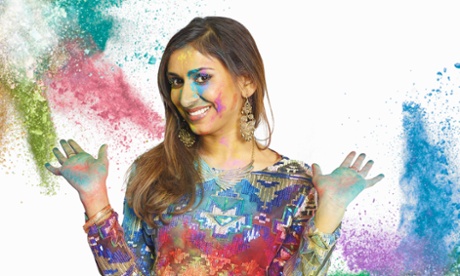
Kaling’s achievement in bagging her own show in the US, The Mindy Project, is phenomenal. Actor Shobu Kapoor, who plays a British Pakistani character in BBC1’s Citizen Khan, spoke to me about the lack of opportunities for Indian women last year. Nina Wadia and Meera Syal have been trailblazers in visibility, but I would love to see some new talent.
New scripted reality show, Desi Rascals – a British Asian Towie, if you will – may not be to everyone’s taste, but Gurinder Chadha is the only female Indian director heading a network series on UK TV. It might not represent the full British Asian experience, but then Made in Chelsea and Towie are hardly offered as worldwide examples of our rich British culture are they? Desi Rascals has given a handful of British Indian women a job in television. That’s a big deal. The simple (hopeful) maths is: the higher the ratings, the more likely commissioning editors will invest in new female talent from the community.
2) Sport
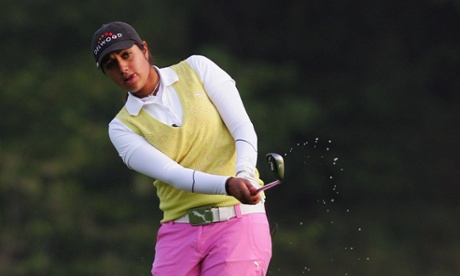
I get as excited as an entire stadium of supporters at an Indian cricket match does whenever one Indian woman makes sporting news in the UK. Which isn’t often. If I was invisible for the day, I would eavesdrop on the boards of sports organisations and see what they really had to say about why more women such as professional golfer Kiran Matharu, hockey player Ashpal Bhogal and cricketer Isa Guha, aren’t being encouraged to compete at national levels.
3) Fiction
Can you name a single British Indian author quickly off the top of your head? In commercial fiction you have Nisha Minhas and Preethi Nair and … hang on, let me quickly Google any others. The reality is the publishing industry only highlights the works of a select few Indian female writers, mostly from the subcontinent. I would ask publishers to try working with Indian women who do not want to write about arranged marriages and the colours found on mango trees but whatever they want. Creative Skillset reports that only 4% of people working in the UK publishing industry are from ethnic minorities. Ah, come on now. Are we really saying a British Indian woman isn’t capable of creating the sort of commercial success that comes with books such as Gone Girl?
4) Politics
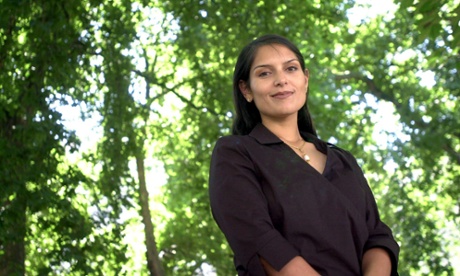
The low participation of British Indian women in politics has meant the group is even more vulnerable to discrimination – with only Priti Patel and Valerie Vaz as MPs, we lack true representation.
You know the line from Goodness Gracious Me: “I can make it at home.” It’s an inspirational lifestyle philosophy for many. When turned away by the mainstream, the British Indian woman sets up camp on her own. Shobu Kapoor set up a production company because of the lack of good roles. Lilly Singh has her own YouTube vlog. I set up a crazily amateur and underfunded podcast series last year during my baby boy’s nap times. Whatever they are doing, we need to support the tenacity and go-getter attitudes of Indian women whenever they step out into public spaces by listening and allowing them to be truly seen.