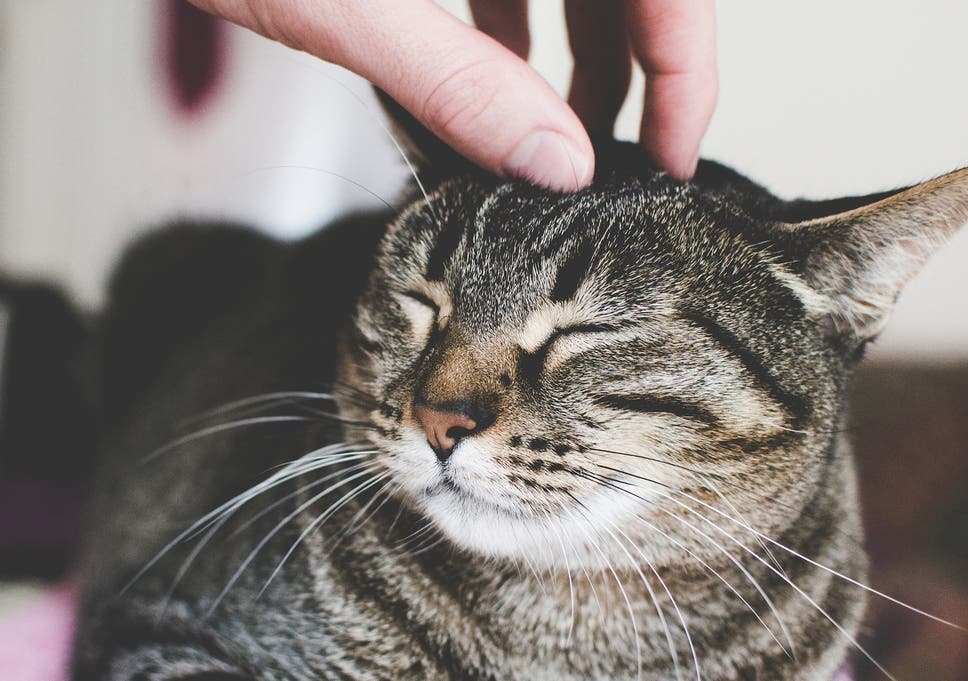
A mind-altering parasite found in cat faeces may give humans more courage and help them overcome their “fear of failure,” research has suggested.
According to the study, being infected by the organism, Toxoplasma gondii, may give an advantage to entrepreneurs and managers.
The protozoan parasite, which is spread by cats, is known to invade the brain and may cause personality changes associated with risk-taking.
Although it rarely produces symptoms other than a mild flu-like illness, T. gondii infection has been linked to car accidents, neuroticism and suicide.
But the latest research provides new evidence it may actually drive risk-taking in business, helping to promote the entrepreneurial spirit.
Part of the study, published in the journal Proceedings of the Royal Society B, found professionals attending business events were almost twice as likely to have started their own enterprise if they were T. gondii positive.
An analysis of the saliva of almost 1,300 US students showed those exposed to the parasite were 1.4 times more likely to be majoring in business.
They were also 1.7 times more likely to be focusing on “management and entrepreneurship” than other business-related areas.
Finally, analysis of databases from 42 countries revealed that on a global scale, prevalence of T. gondii infection was a “consistent, positive predictor of entrepreneurial activity”.
Dr Stefanie Johnson, from the University of Colorado’s Leeds School of Business in the US, and her fellow authors wrote: “Populations with higher T. gondii infection had greater intentions to start a business and higher levels of active entrepreneurship behaviours.
“Countries with higher T. gondii prevalence generally had a lower fraction of respondents who cited ‘fear of failure’ as a factor preventing them from initiating a business-related enterprise.”
Entrepreneurship was characterised as a “high-risk, high-reward” activity often accompanied by a loss of economic stability, the researchers said.
The findings suggested reduced fear of failure may be the key factor explaining the association between T. gondii infection and entrepreneurship.
The parasite has been shown to alter the behaviour of rodents in ways which increase their chances of being killed and eaten by cats.
Rats infected with T. gondii appear to lose their natural fear of the predators’ urine. Studies have shown they are thus not so likely to shy away from areas where cats live.
As a result, the parasite improves its chances of reproductive success.
While T. gondii commonly spends part of its life cycle in rodents, birds and other animals, it can only reproduce in domestic cats and their relatives. Its egg-like oocysts are shed in cat faeces, to be picked up by other hosts.