

You can hustle every day, grind through back-to-back deliveries, finish freelance projects at midnight, and still get blindsided by the IRS if you miss one crucial requirement. Millions of gig workers focus on earning income but ignore the tax rule that keeps that income safe from penalties.
The problem does not come from a lack of effort or ambition. It comes from a misunderstanding of how the IRS treats independent contractors. If you earn money outside of traditional employment, the IRS expects something very specific from you, and ignoring it can cost you more than you think.
The Rule Too Many Gig Workers Ignore: Quarterly Estimated Taxes
When you work as an employee, your employer withholds federal income taxes, Social Security, and Medicare from every paycheck. That system creates a steady drip of payments to the IRS throughout the year. Gig workers and independent contractors operate under a completely different structure. The IRS requires most self-employed individuals to pay estimated taxes quarterly if they expect to owe at least $1,000 in taxes when they file their return.
That rule surprises people who assume they can just settle up in April. The IRS does not operate on a “pay later” philosophy for self-employed income. Instead, it expects you to pay as you earn. The agency sets four estimated tax deadlines each year, generally in April, June, September, and January of the following year. If you skip those payments or underpay, the IRS can assess an underpayment penalty, even if you ultimately pay the full amount when you file your annual return.
You do not need a storefront or a formal business entity to fall under this rule. If you drive for rideshare platforms, deliver food, sell goods online, design logos, tutor students, or complete freelance writing assignments, the IRS sees you as self-employed. That classification triggers the estimated tax requirement.
The 1099 Confusion That Trips People Up
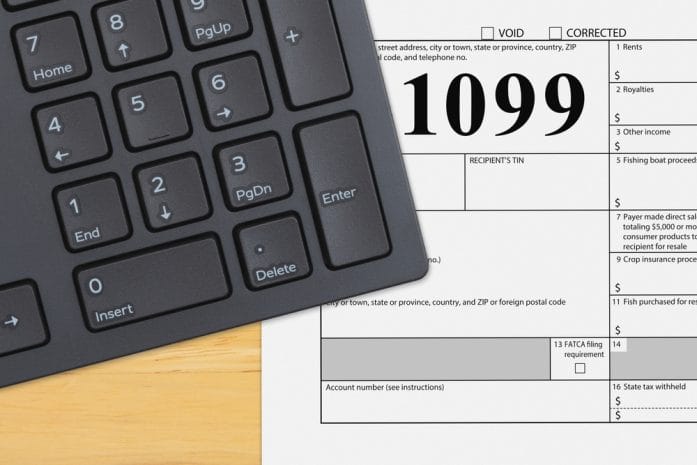
Gig workers often receive Form 1099-NEC or Form 1099-K from platforms or clients. Those forms report income paid to you during the year. Some workers assume that if they do not receive a 1099, they do not need to report the income. That assumption creates serious risk.
The IRS requires you to report all taxable income, even if you do not receive a form. Payment apps and online platforms follow specific reporting thresholds, and those thresholds have changed in recent years. Even if a company does not send you a 1099 because your earnings fall below a reporting limit, you still must include that income on your tax return.
Relying solely on 1099 forms to track your income can also distort your estimated tax calculations. You should track your gross receipts and expenses consistently throughout the year. Waiting for tax documents in January does not help you meet quarterly deadlines that occur long before those forms arrive.
How to Calculate Estimated Taxes Without Losing Your Mind
You do not need to turn into a tax expert overnight, but you do need a plan.
If your income fluctuates significantly, you can adjust your estimated payments each quarter. Gig work often comes with uneven cash flow, so you should review your earnings regularly rather than locking yourself into rigid numbers from January. You can also use accounting software or work with a tax professional who understands self-employment income.
Setting aside a percentage of every payment can simplify the process. Many experienced gig workers automatically move 25 to 30 percent of each deposit into a separate savings account designated for taxes. That habit creates a buffer and prevents the panic that hits when a large quarterly payment comes due.
Deductions: Your Best Friend If You Track Them Properly
Quarterly payments matter, but deductions can dramatically reduce the amount you owe. The IRS allows self-employed individuals to deduct ordinary and necessary business expenses. That includes mileage for business driving, a portion of home office expenses if you meet the requirements, supplies, software subscriptions, marketing costs, and health insurance premiums for self-employed individuals, among others.
Accurate recordkeeping determines whether you can claim those deductions confidently. You should track mileage using a reliable log or app, save receipts for business purchases, and maintain separate accounts for business and personal expenses. If the IRS ever questions your return, organized records will support your claims.
Deductions reduce your net income, which in turn reduces both your income tax and your self-employment tax. That connection makes consistent tracking throughout the year essential. You cannot reconstruct a year’s worth of expenses from memory in March and expect precision.
What Happens If You Ignore This Requirement
The IRS does not send friendly reminders about missed quarterly payments. Instead, it calculates underpayment penalties based on how much you owed and how long you delayed payment. The penalty functions like interest, and it accrues over time. Even if you pay your full balance in April, the IRS can still assess a penalty if you failed to make sufficient quarterly payments.
Repeated noncompliance can also create cash flow chaos. If you owe a large amount at filing time and cannot pay in full, the IRS can impose additional penalties and interest. You can request a payment plan, but that route adds stress and extra cost.
Ignoring estimated taxes does not make the obligation disappear. It simply shifts the burden into the future, where it often grows larger and more disruptive.
Take Control Before the IRS Takes Notice
Gig work offers flexibility and independence, but it also demands discipline. You must treat your tax obligations as a regular business expense, not an afterthought. Mark quarterly deadlines on your calendar, review your income monthly, and set aside money consistently. If you feel overwhelmed, consult a certified public accountant or enrolled agent who specializes in self-employment taxes. A single professional session can save you far more in penalties and missed deductions than it costs.
You built your gig income with effort and persistence. Protect it with the same energy. Estimated taxes do not represent a bureaucratic nuisance; they represent a core responsibility of running your own operation. When you handle them proactively, you gain control and avoid unpleasant surprises.
If you earn income through gig work, when did you last review your estimated tax strategy? It’s time to discuss this very important subject in our comments.
You May Also Like…
Budgeting For Irregular Income: Freelancers And Gig Workers
5 Warning Signs Your “Side Gig” Is Destroying Your Finances
5 Reasons To Talk To Your Kids About Taxes
Can Your Taxes Be Cut In Half By You Simply Incorporating Your Name?
9 Financial Dangers of Ignoring Property Taxes
The post Millions of Gig Workers May Be Missing This Key IRS Requirement appeared first on The Free Financial Advisor.