Get all your news in one place.
100’s of premium titles.
One app.
Start reading
Reuters
Reuters
Entertainment
Harriet McLeod and Lee van der Voo

Rare total solar eclipse spreads wonder across United States

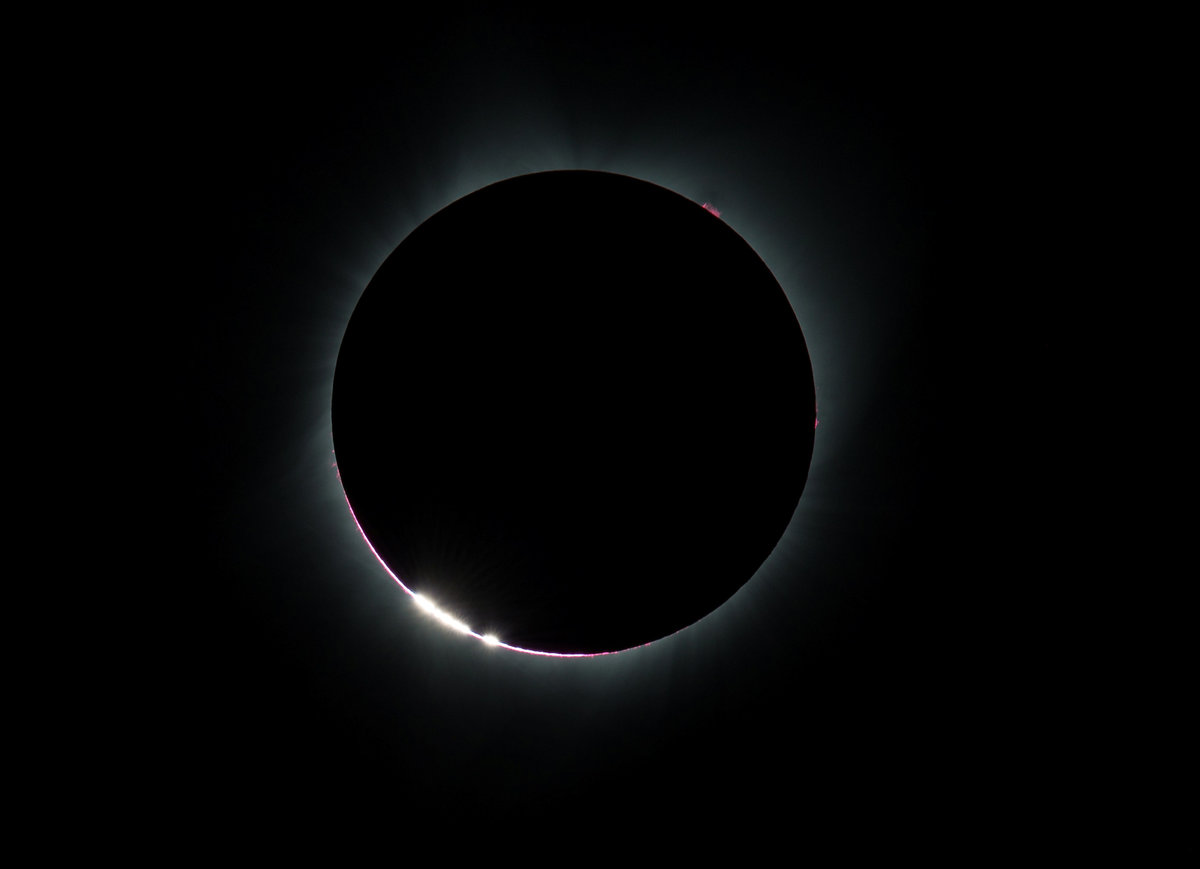
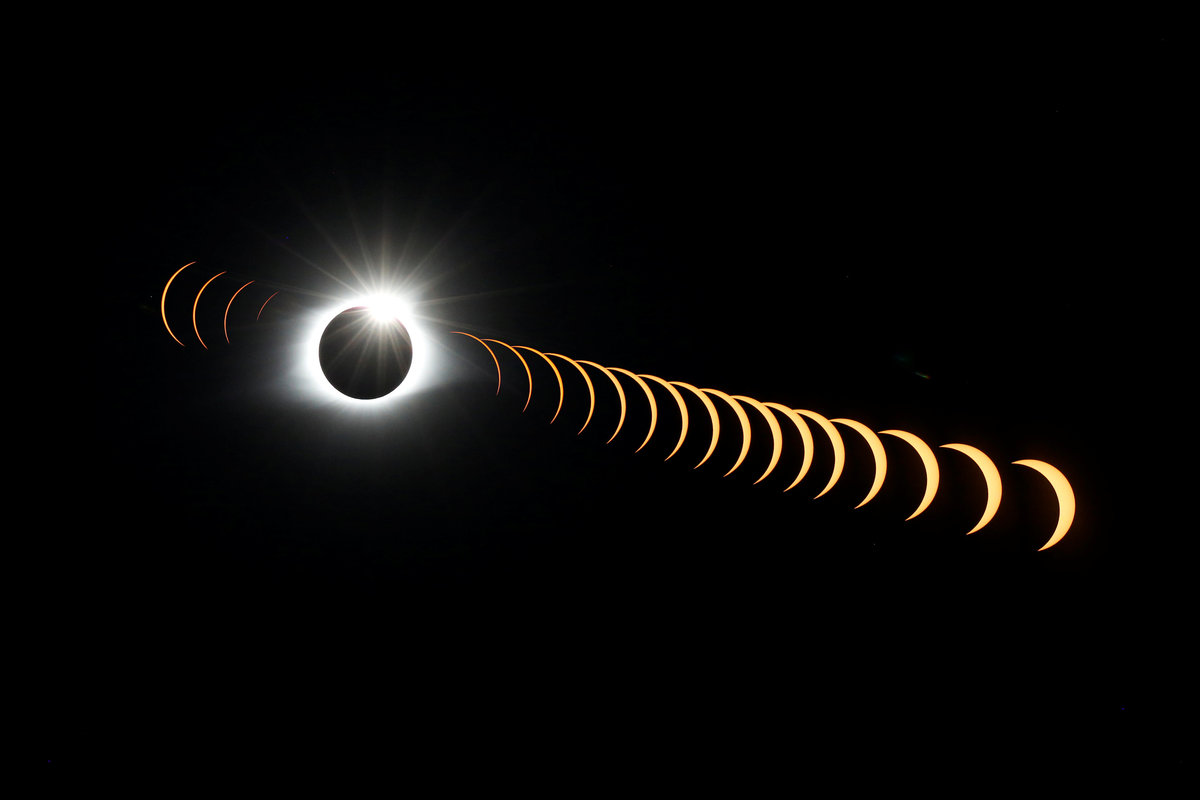
A composite image of 21 separate photographs taken with a single fixed camera shows the solar eclipse as it creates the effect of a diamond ring at totality as seen from Clingmans Dome, which at 6,643 feet (2,025m) is the highest point in the Great Smoky Mountains National Park, Tennessee, U.S. August 21, 2017. Location coordinates for this image are 35º33'24" N, 83º29'46" W. REUTERS/Jonathan Ernst

CHARLESTON, S.C./SHERIDAN, Oregon (Reuters) - As millions of awestruck Americans cast their gaze skyward on Monday at the extraordinary sight of a total solar eclipse, one Connecticut man had his eyes set firmly on a different prize.

Joseph Fleming, 43, went down on one knee in the darkness near the harbor in Charleston, South Carolina, and asked Nicole Durham to marry him.
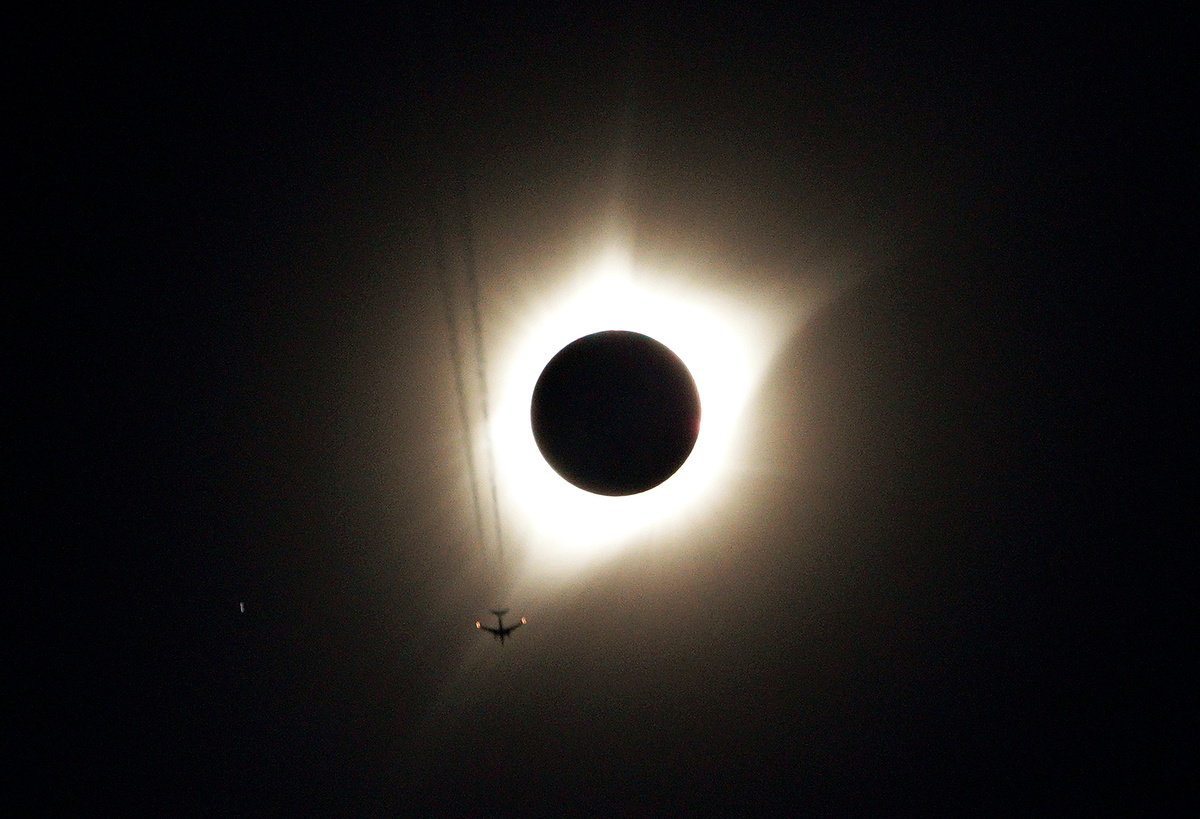
A jet plane flies by the total solar eclipse in Guernsey, Wyoming U.S. August 21, 2017. REUTERS/Rick Wilking

"The sun, the moon and my love, all in a straight line," Fleming said, laughing, after Durham, 40, said yes.

The first total eclipse in a century to sweep across the United States from coast to coast inspired Americans to make marriage proposals, hold family reunions and take time from work to witness with wonder one of the cosmos' rarest phenomena.

After weeks of anticipation, onlookers from Oregon to South Carolina whooped and cheered as the moon blotted out the sun, transforming a narrow band of the United States from day to night for two minutes at a time.

Guests react to the total eclipse in the football stadium at Southern Illinois University in Carbondale, Illinois, U.S., August 21, 2017. Location coordinates for this image are 37º42'25" N 89º13'10" W. REUTERS/Brian Snyder

Even President Donald Trump stepped out of the White House to see the eclipse, though he was spotted briefly looking up without protective glasses, which can cause eye damage, as an aide yelled "Don't look!"

"It's more powerful than I expected," Robert Sarazin Blake, 40, a singer from Bellingham, Washington, said after the eclipse passed over Roshambo ArtFarm in Sheridan, Oregon. "All of a sudden you're completely in another world. It's like you're walking on air or tunneling underground like a badger."

No area in the continental United States had seen a total solar eclipse since 1979, while the last coast-to-coast total eclipse took place in 1918.

Without his protective glasses on, U.S. President Donald Trump looks up towards the solar eclipse while viewing with his wife Melania and son Barron at the White House in Washington, U.S., August 21, 2017. REUTERS/Kevin Lamarque

The event was expected to draw one of the largest audiences in human history, including those watching on television and online.

Some 12 million people live in the 70-mile-wide (113-km-wide), 2,500-mile-long (4,000-km-long) zone where the total eclipse appeared, while hordes of others traveled to spots along the route.

Many people trekked to remote national forests and parks of Oregon, Idaho and Wyoming. Those in cities along the path like Kansas City, Missouri, and Nashville, Tennessee, were able to simply walk outside.
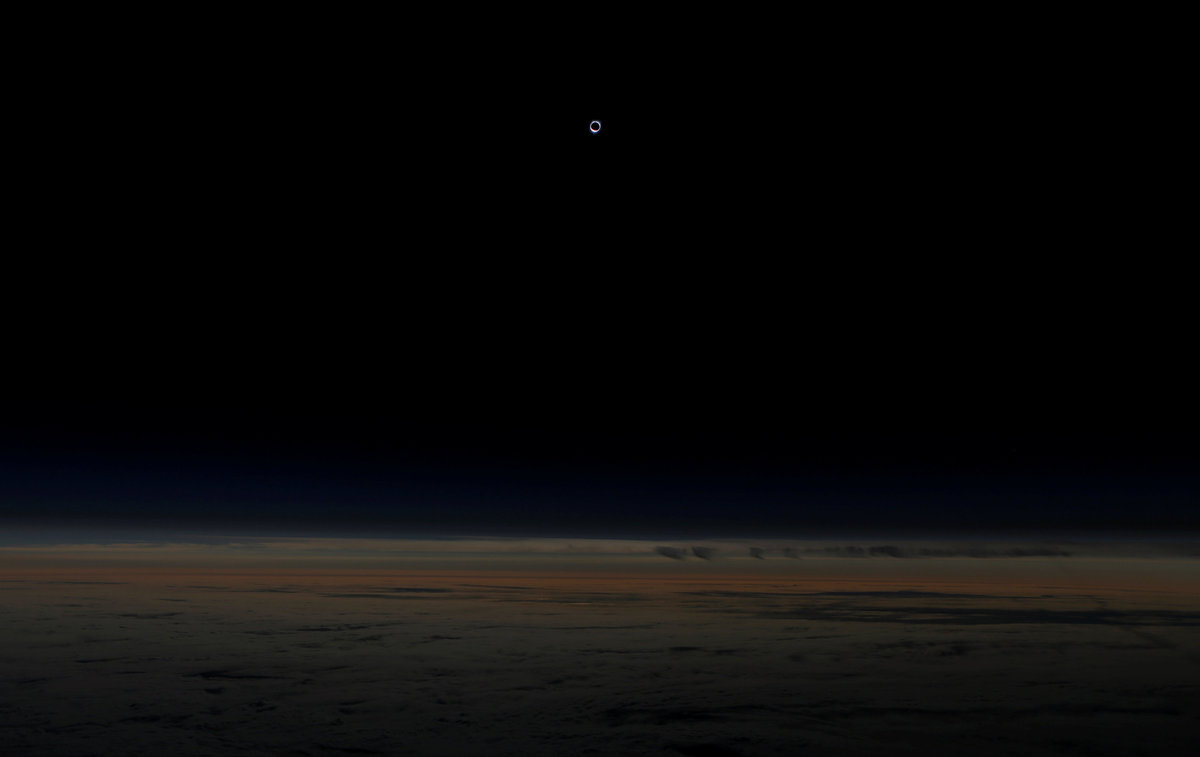
The sun is obscured by the moon during a solar eclipse as seen from an Alaska Airlines commercial jet at 40,000 feet above the Pacific Ocean off the coast of Depoe Bay, Oregon, U.S. August 21, 2017. Location coordinates for this image are 44 degrees 22.417'N 141degrees 10.154'W REUTERS/Jim Urquhart

The eclipse first reached "totality" - the shadow cast when the sun is completely blocked by the moon - in Oregon at 10:15 a.m. PDT (1715 GMT) and began spreading eastward.

"It just kind of tickled you all over - it was wonderful - and I wish I could do it again," said Stormy Shreves, 57, a fish gutter who lives in Depoe Bay, Oregon. "But I won't see something like that ever again, so I'm really glad I took the day off work so I could experience it."

As the sun slipped behind the moon in Sawtooth National Forest in Idaho, stars became visible, coyotes howled and the temperature dropped precipitously.
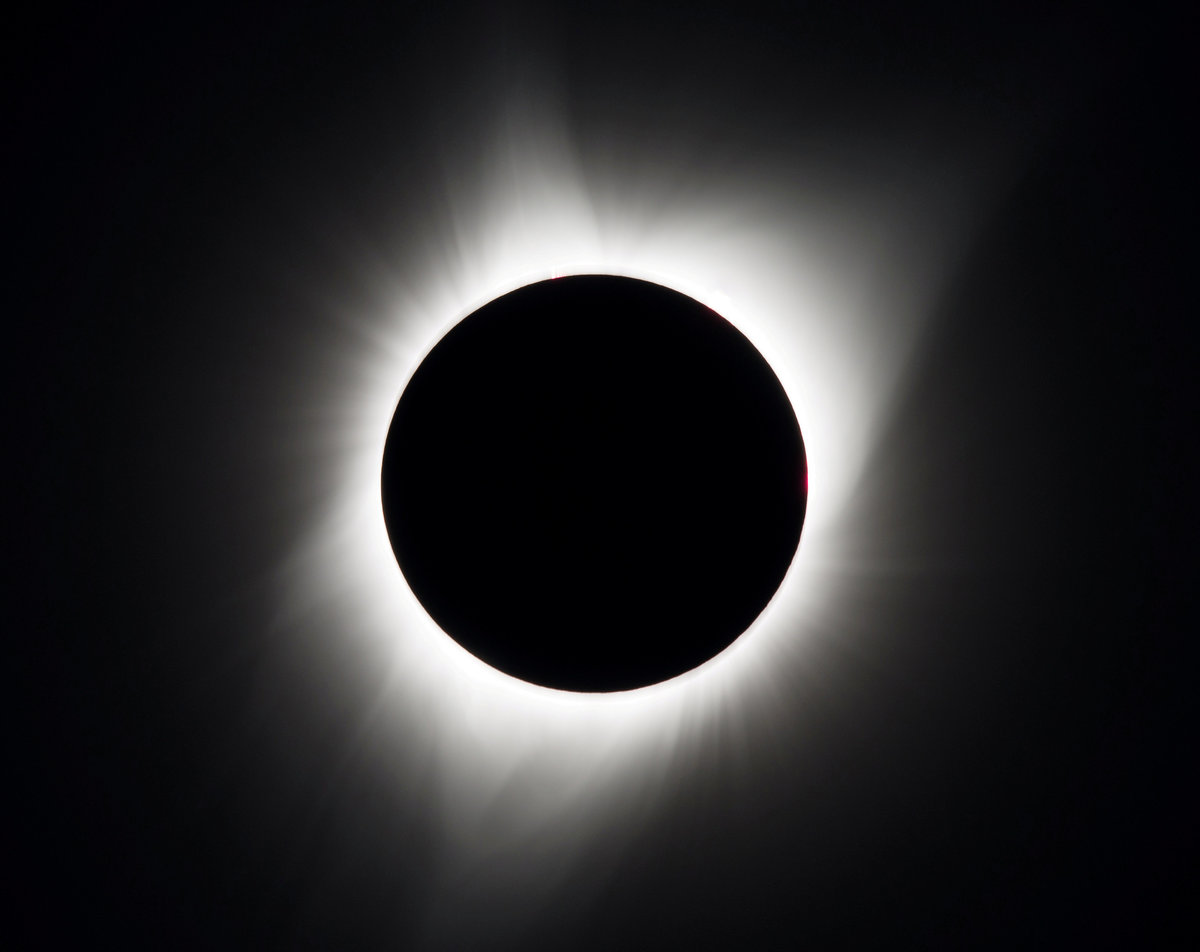
A total solar eclipse is seen above Madras, Oregon, U.S., August 21, 2017. Courtesy Aubrey Gemignani/NASA/Handout via REUTERS

The phenomenon took its final bow at 2:49 p.m. EDT (1849 GMT) near Charleston.

Monday's excitement led music lovers to stream Bonnie Tyler's "Total Eclipse of the Heart," pushing it to the top of Apple's iTunes chart 34 years after its release. Tyler herself performed the song aboard a Royal Caribbean cruise ship on Monday.

VIEWING PARTIES
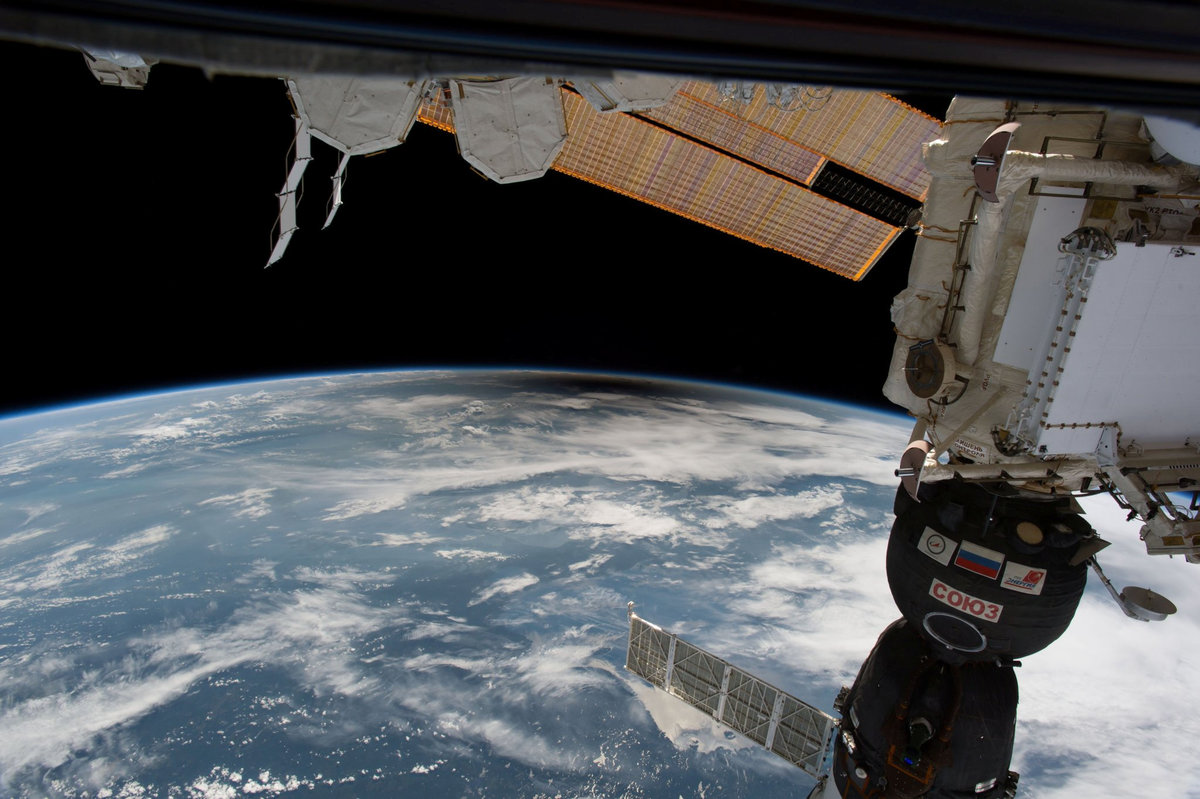
The umbra, the moon's shadow, over the United States from space is seen from the International Space Station from outer space, August 21, 2017 in this social media image. Courtesy @Space_Station/Intl. Space Station/Handout via REUTERS

A number of towns within the eclipse's path set up public events. At the Southern Illinois University campus in Carbondale, Illinois, the 15,000-seat football stadium was sold out for Monday.

Other people in the eclipse zone hosted their own private viewing parties. At a mountain cabin in the woods in Murphy, North Carolina, the air grew cold as the moon slowly chipped away at the sun before blocking it completely, leaving only a surrounding halo of light.

"That was the most beautiful thing. I could die happy now," said Samantha Gray, 20, an incoming graduate student at University of Chicago. "Anybody want to go on vacation with me in April 2024?"
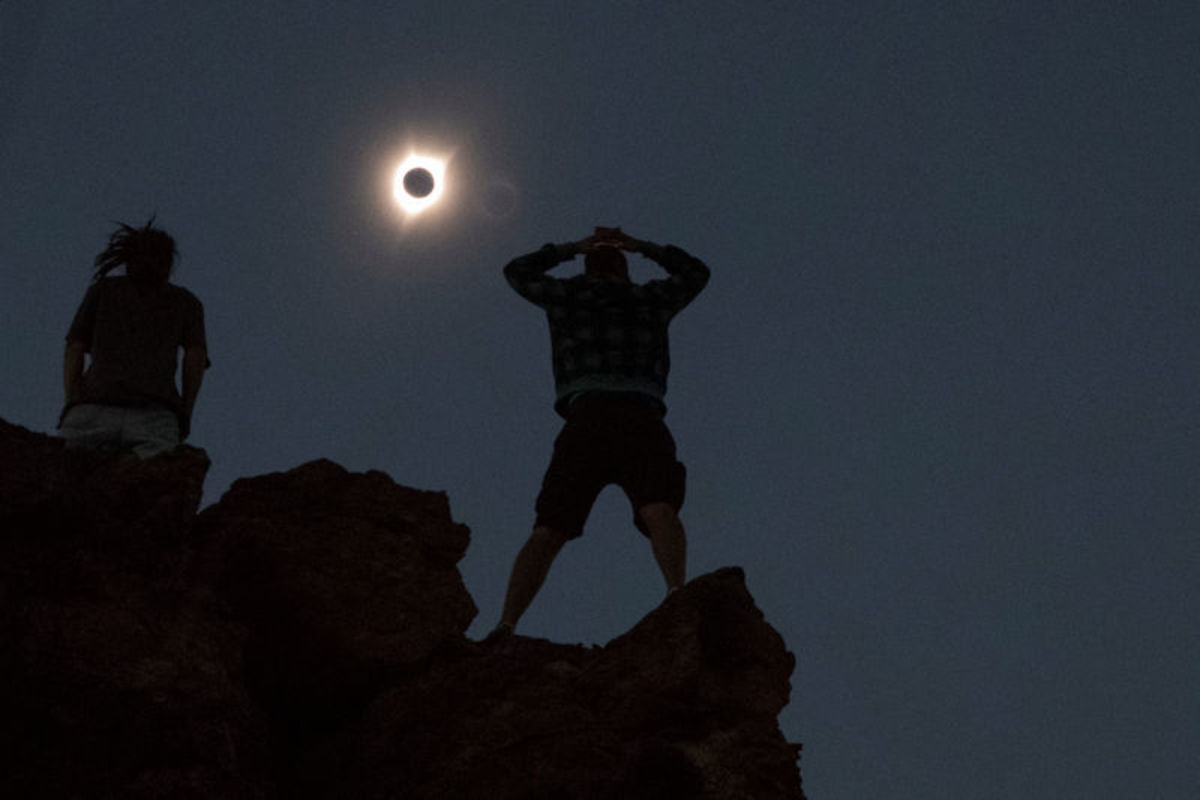
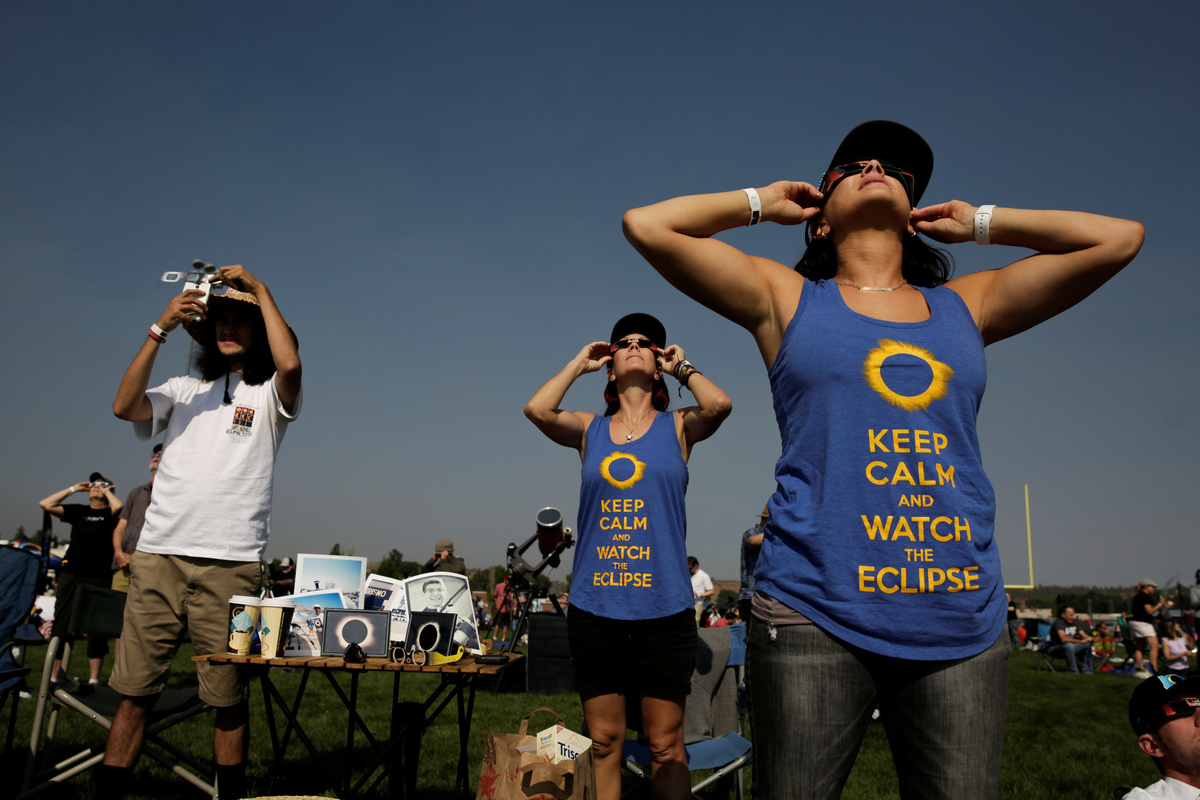
Enthusiasts Tanner Person (R) and Josh Bliek, both from Vacaville, California, watch a total solar eclipse while standing atop Carroll Rim Trail at Painted Hills, a unit of the John Day Fossil Beds National Monument, near Mitchell, Oregon, U.S. August 21, 2017. Location coordinates for this image is near 44°39'117'' N 120°6'042'' W. REUTERS/Adrees Latif

Another total solar eclipse will cut across the southeastern and northeastern United States on April 8, 2024.

For millions of others outside the zone of totality, a partial eclipse appeared throughout North America, attracting its own crowds.

In Washington, D.C., thousands of people lined the National Mall at 2:45 p.m., when four-fifths of the sun was blacked out.
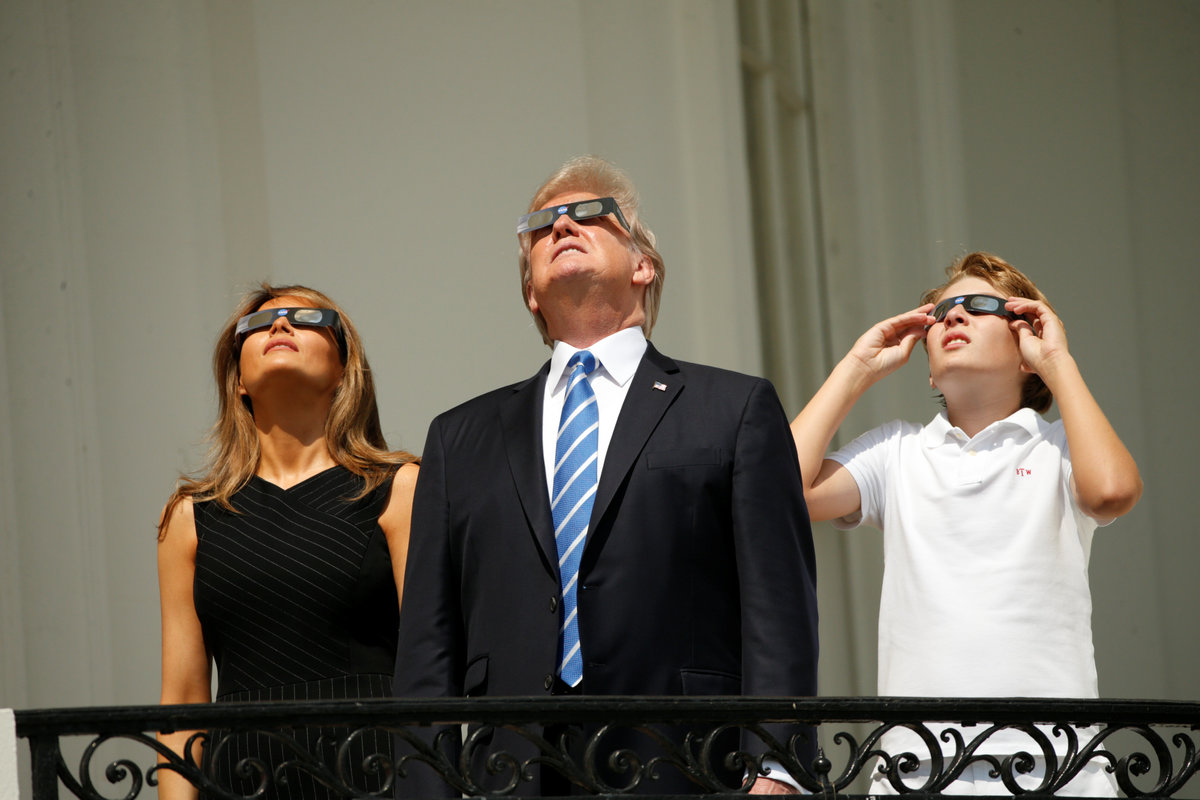
U.S. President Donald Trump watches the solar eclipse with first Lady Melania Trump and son Barron from the Truman Balcony at the White House in Washington, U.S., August 21, 2017 REUTERS/Kevin Lamarque

"It's amazing, super cool," said Brittany Labrador, 30, a nurse practitioner from Memphis. "It's kind of just cool to watch in the capital."

In New York, people crowded sidewalks near Times Square, with the vast majority staring up without any protective lenses.

"I'm actually kind of scared to look up and go blind without using the glasses," said Sarah Fowler, one of the few who wore the proper eyewear.

People watch the solar eclipse from the flight deck of the Naval museum ship U.S.S. Yorktown in Mount Pleasant, South Carolina, U.S. August 21, 2017. Location coordinates for this image are 32°47'26" N 79°54'31" W. REUTERS/Randall Hill

(For a graphic on solar eclipse in 2017, click: http://fingfx.thomsonreuters.com/gfx/rngs/SOLAR-ECLIPSE/010050FD109/solar-eclipse.jpg)
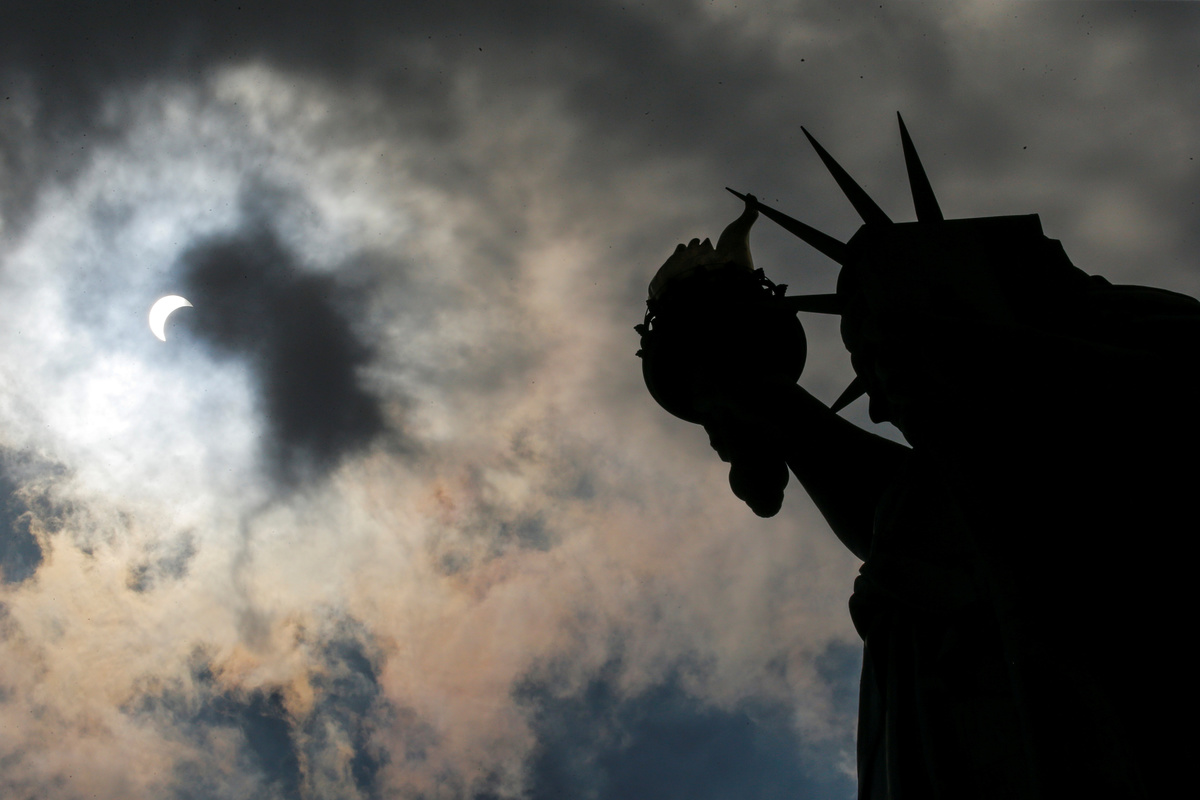
The Monument of Liberty State is photographed while the solar eclipse is seen over Liberty State Island in New York, U.S., August 21, 2017. Location coordinates for this image are 40.4124°N, 74.237°W. REUTERS/Eduardo Munoz

(Additional reporting by Jane Ross in Depoe Bay, Oregon; Brian Snyder and Elly Park in Carbondale, Illinois; Ian Simpson and Steve Holland in Washington, D.C.; Steve Gorman in Salmon, Idaho; Irene Klotz in Murphy, North Carolina; and Taylor Harris in New York; Writing by Joseph Ax and Frank McGurty; Editing by Bill Trott and Lisa Shumaker)


Tavon Boaman, 21, of Ft. Collins, Colo., does yoga as he watches the solar eclipse at Carhenge in Alliance, Neb., U.S. August 21, 2017. Location coordinates for this image are 42°8'33"N 102°51'29"W. REUTERS/Scott Morgan
People watch the solar eclipse from Madison Square in midtown Manhattan in New York City, U.S., August 21, 2017. Location coordinates for this image are 40.7484° N, 73.9857° W. REUTERS/Brendan McDermid
People watch the solar eclipse during the Lowell Observatory Solar Eclipse Experience at Madras High School in Madras, Oregon, U.S. August 21, 2017. Location coordinates for this image are 44°37’50” N 121°7’15” W. REUTERS/Jason Redmond
People watch the solar eclipse from the observation deck of The Empire State Building in New York City, U.S., August 21, 2017. Location coordinates for this image are 40°44'54" N 73°59'8" W. REUTERS/Brendan McDermid
A woman views the solar eclipse at Times Square in Manhattan, New York, U.S., August 21, 2017. Location coordinates for this image are 40.7589° N, 73.9851°. W REUTERS/Shannon Stapleton
The Bailey's Beads effect is seen as the moon makes its final move over the sun during the total solar eclipse on above Madras, Oregon, U.S., August 21, 2017. Courtesy Aubrey Gemignani/NASA/Handout via REUTERS
Samantha Loy (L) and Jessica Loy watch the total solar eclipse in Guernsey, Wyoming U.S. August 21, 2017. REUTERS/Rick Wilking
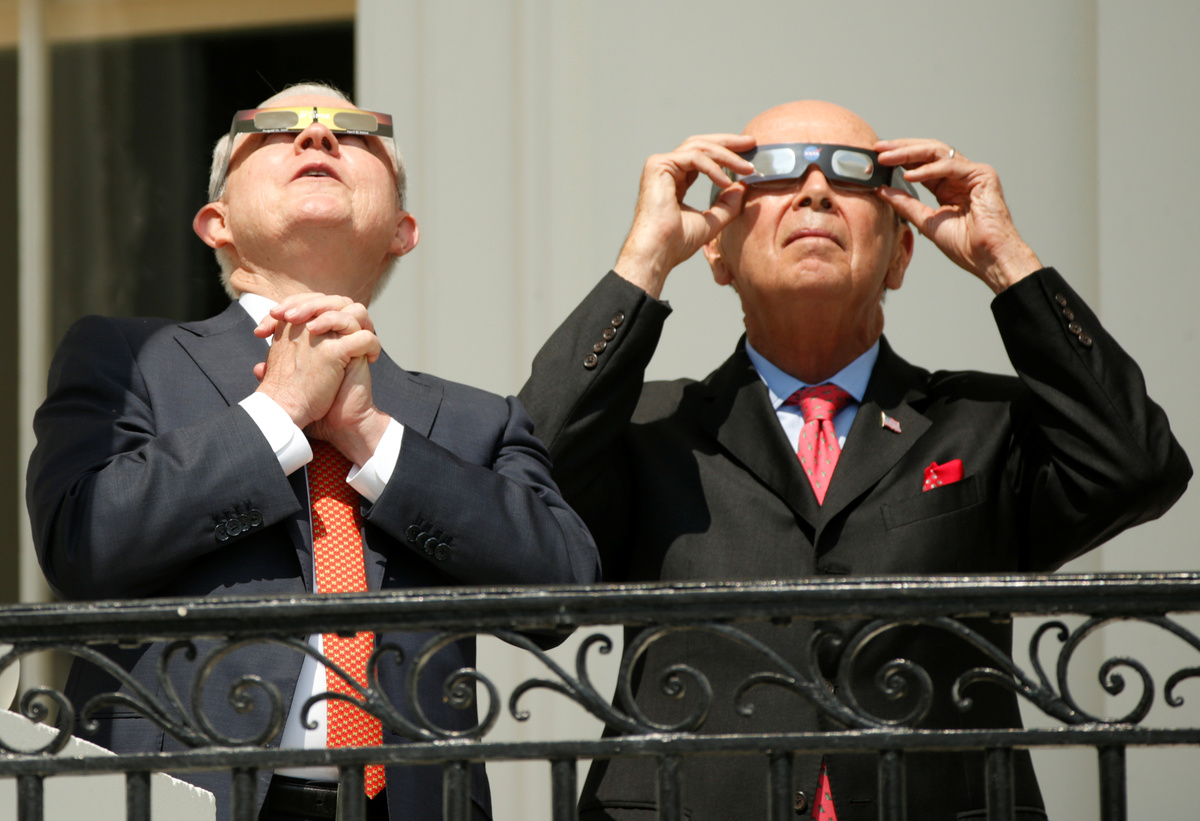
U.S. Attorney General Jeff Sessions (L) and Commerce Secretary Wilbur Ross watch the solar eclipse from the Truman Balcony at the White House in Washington, U.S., August 21, 2017 REUTERS/Kevin Lamarque
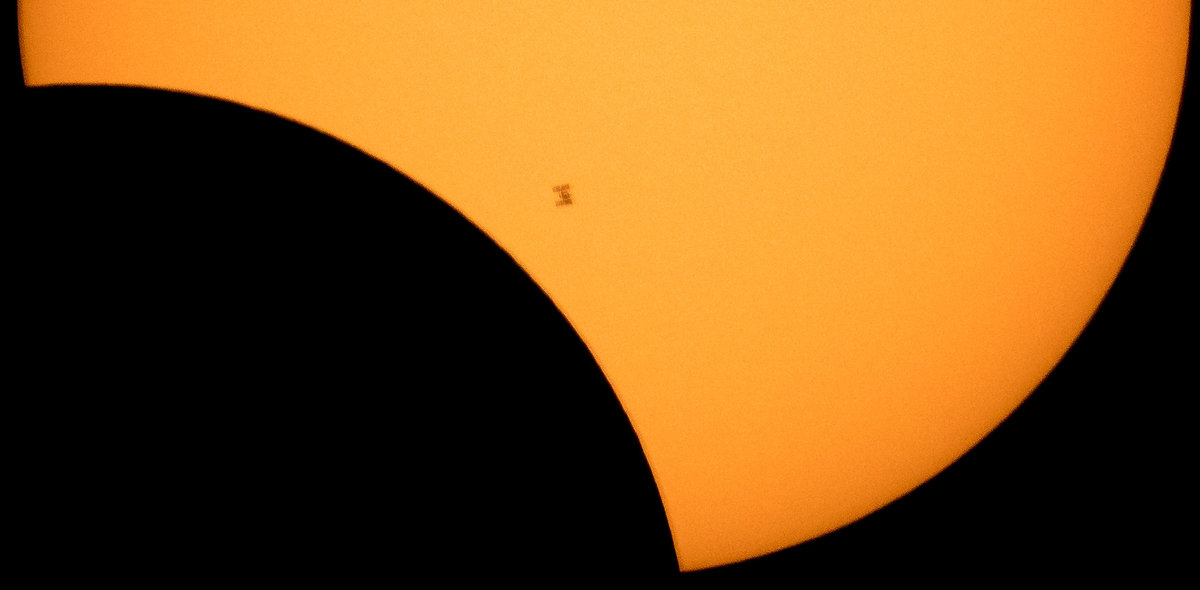
The International Space Station, in silhouette, as it transits the sun during a partial solar eclipse seen from Ross Lake, Northern Cascades National Park, Washington, U.S., August 21, 2017. Courtesy Bill Ingalls/NASA/Handout via REUTERS
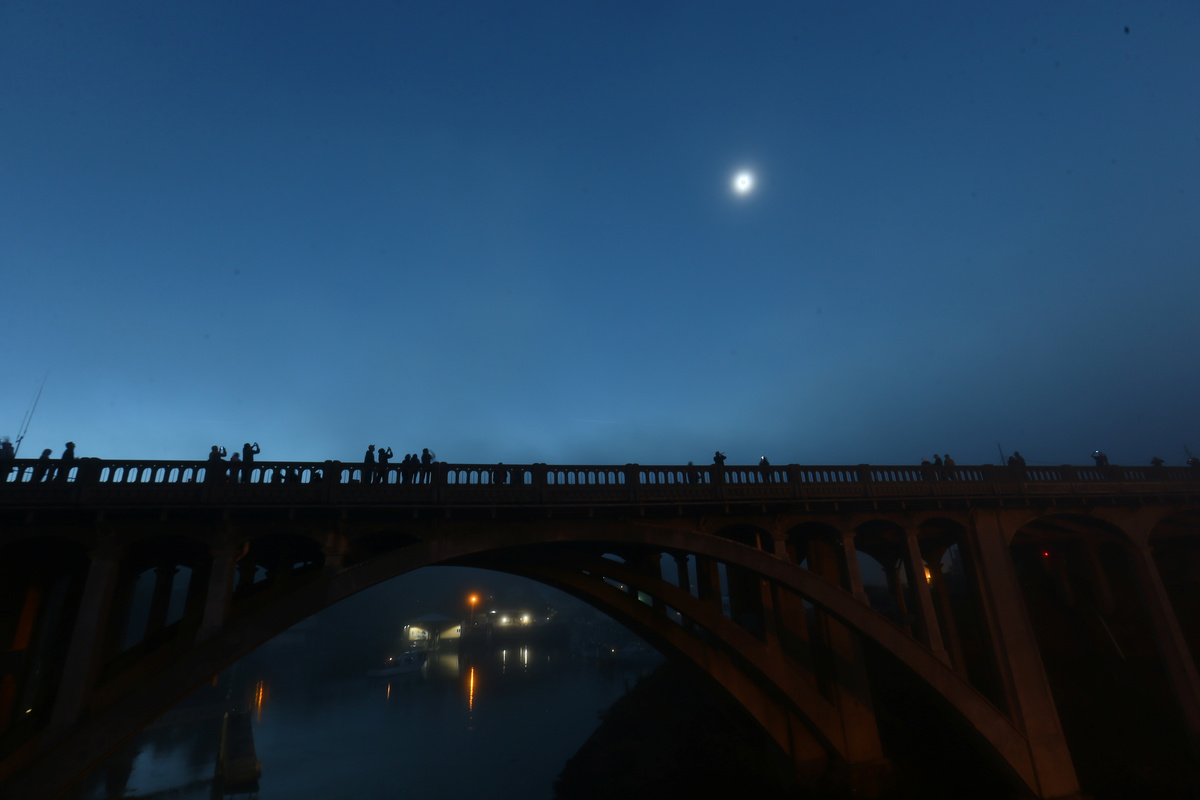
Solar Eclipse in Depoe Bay, Oregon, U.S. August 21, 2017. Location coordinates for this image are 44º48'35" N 124º3'43" W. REUTERS/Mike Blake
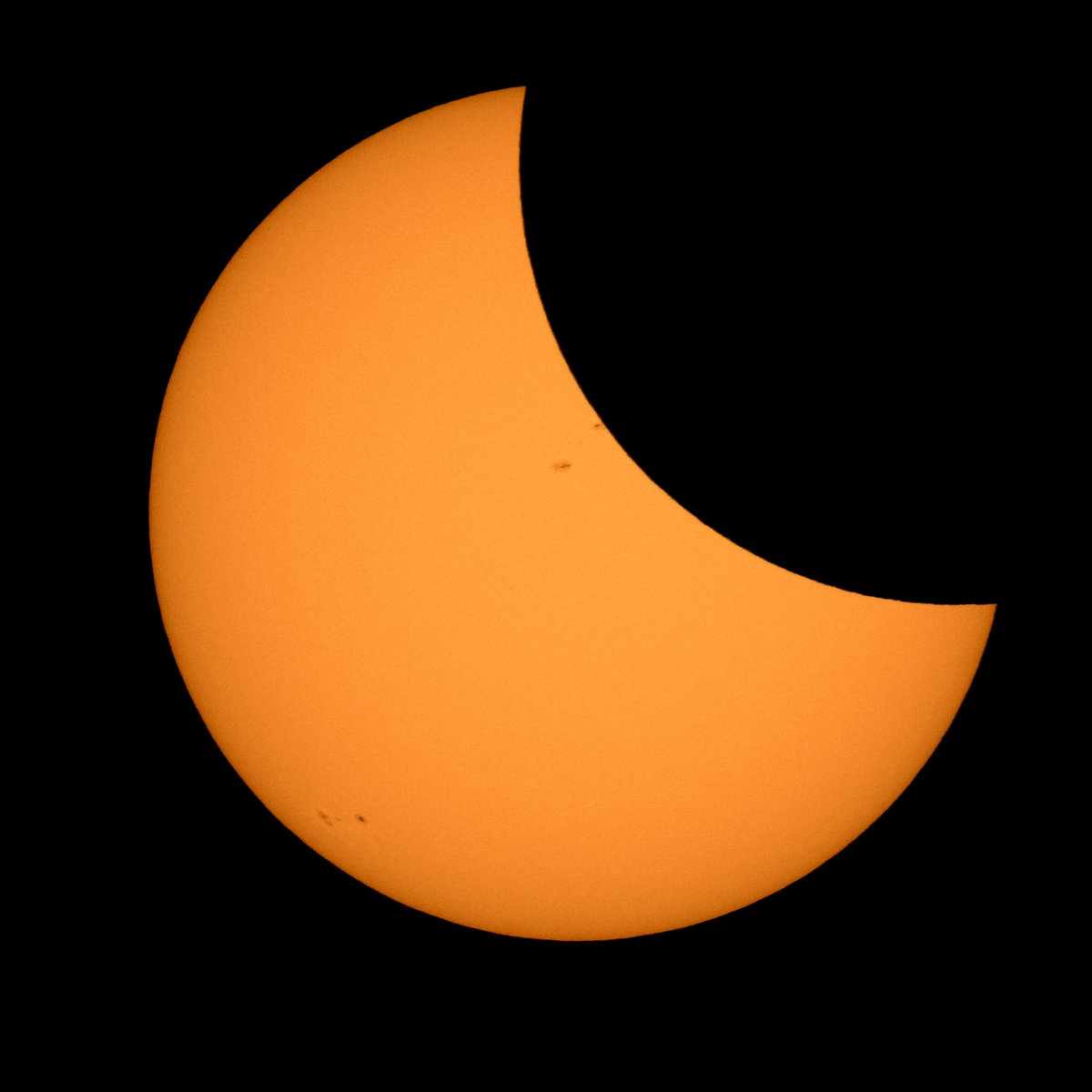
The moon starts passing in front of the sun during a solar eclipse seen from Ross Lake, Northern Cascades National Park, Washington, U.S., August 21, 2017. Courtesy Bill Ingalls/NASA/Handout via REUTERS
Madison the dog watches the solar eclipse in Nashville, Tennessee, U.S., August 21, 2017. Location coordinates for this image are 39°9'55" N 86°46'24" W. REUTERS/Harrison McClary
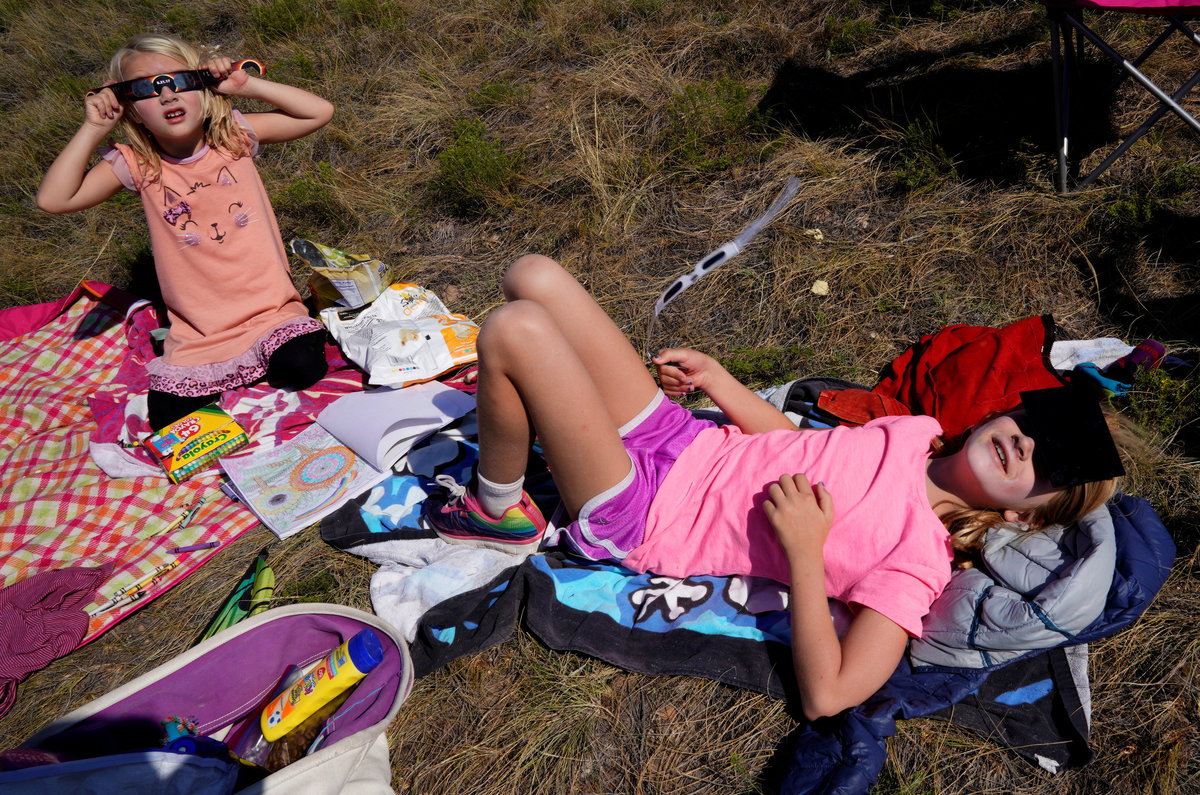
A boy uses solar viewing glasses as the sun emerges through fog cover before the solar eclipse in Depoe Bay, Oregon, U.S., August 21, 2017. Location coordinates for this image are 44°48'38" N 124°3'40" W. REUTERS/Mike Blake
Sign up to read this article
Read news from 100’s of titles, curated specifically for you.
Already a member? Sign in here
Related Stories
Top stories on inkl right now
One subscription that gives you access to news from hundreds of sites
Already a member? Sign in here
Our Picks
Fourteen days free
Download the app
One app. One membership.
100+ trusted global sources.