A surreal collision of conflict and social media has gone viral, with clips claiming Iraqi children are selling million-dollar US drones for pocket change, though the reality is considerably more complex.
In early April 2026, a series of short videos began circulating widely across TikTok, X and Instagram, showing young Iraqis holding fragments of downed drones and offering them to viewers during livestreams. In one widely shared clip, a teenager pitches debris for as little as $100 (approximately £79), sparking both amusement and controversy online. Posts accompanying the clips claimed 'Iraqi kids are selling downed US drones worth millions on TikTok', attracting millions of views and a mix of humour, scepticism and geopolitical commentary. Though closer scrutiny reveals a more nuanced story.
BREAKING: Iraqi kids are now SELLING downed US drones worth millions on TikTok live
— Jvnior (@Jvnior) April 3, 2026
This is funny. America should be embarrassed. pic.twitter.com/qZDrjbF9oU
What the Debris Actually Is
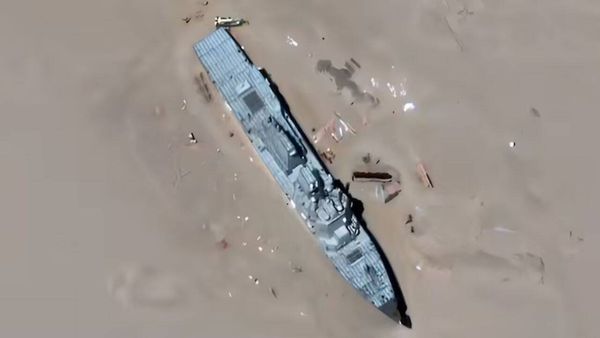
The viral posts, framed as 'breaking news', show fragments of what appear to be drone wreckage — burnt panels, broken wings and skeletal frames. The footage quickly fuelled a narrative that high-value American military drones had been shot down and were now being casually sold off by children.
Despite that framing, open-source analysts examining the footage suggest the wreckage is far more likely to originate from Iranian-made drones, particularly the Shahed-136, rather than any US military asset. The Shahed-136 is a relatively low-cost loitering munition, widely used in regional conflicts and designed to be expendable, produced at a fraction of the cost of advanced US systems.
Visual indicators in the footage, including the delta-wing shape and structural remnants, align closely with known Shahed designs. The debris also lacks the advanced sensors, electronics and intact systems that would be expected from high-end US drones. No major outlet has independently verified claims that intact or functional American military assets have entered civilian hands or informal markets.
The Million-Dollar Drone Narrative
The misconception largely stems from comparisons made online to sophisticated US systems such as the MQ-9 Reaper, which can cost between $16 million (approximately £12.5 million) and $30 million (approximately £23.5 million) when fully equipped. The narrative of a million-dollar US drone on sale for $100 (approximately £79) has proven highly shareable, tapping into broader geopolitical tensions and online sentiment, but it conflates two very different categories of military technology.

The viral moment unfolds against a backdrop of escalating tensions in the Middle East. Increased military activity, including US and Israeli strikes on Iranian-linked targets, has led to retaliatory drone and missile attacks across the region. Iraq has become a spillover zone hosting both US military assets and Iran-aligned militia activity, contributing to a steady stream of drone interceptions, crashes and debris scattered across rural areas.
Conflict Backdrop and Misinformation
Such conditions create fertile ground for misinformation. As fragments of real events surface online, they are frequently reinterpreted or exaggerated to fit broader narratives. The sight of civilians collecting and repurposing war zone debris is not new — in many conflict zones, locals have historically scavenged crash sites for scrap metal or resale value.

What is different here is the role of social media. Platforms such as TikTok have transformed these interactions into public performances, where everyday survival practices become viral content reaching global audiences within hours.
The Human Side of Modern Warfare
The Iraqi youths in the clips appear to be engaging in a form of digital entrepreneurship, turning scraps into spectacle and spectacle into potential income. For them, the drone debris is less about global politics and more about opportunity, however modest.
The episode ultimately reflects the gap between online narratives and on-the-ground reality. As open-source analysts have noted, any genuine recovery of sensitive US military technology would likely involve state actors rather than casual livestream sales. The videos are a reminder that in today's conflict landscape, the boundaries between battlefield, marketplace and social media are increasingly difficult to separate.