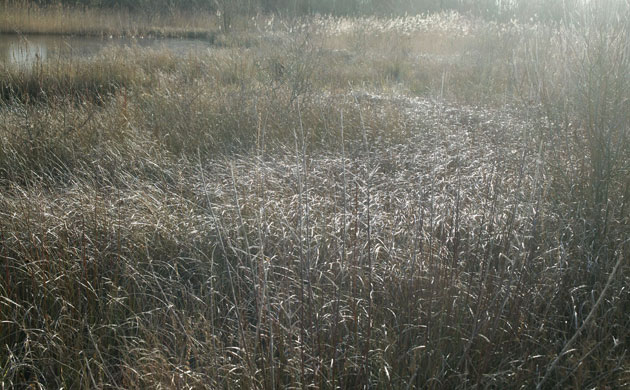
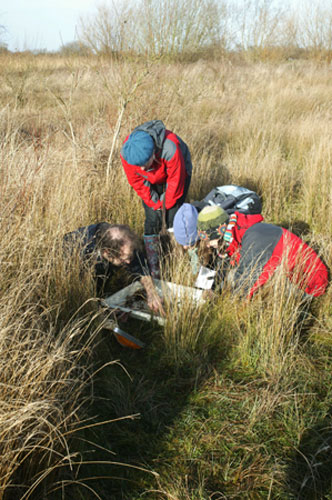
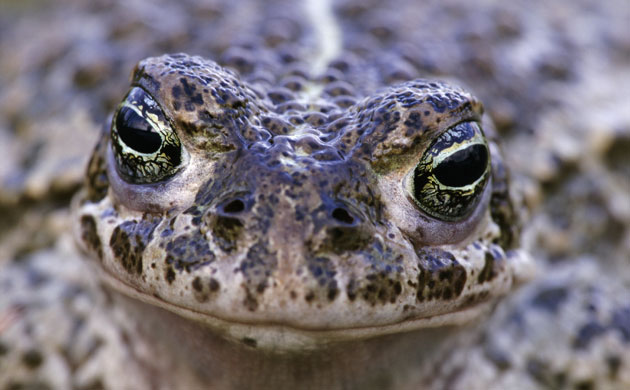
The Farmoor Reservoir is part of the Million Ponds project coordinated by Pond Conservation. The project aims to make half a million new, clean-water ponds that are great for wildlife in the UK over the next 50 yearsPhotograph: Frank Baron/Frank BaronDr Jeremy Biggs at work in Farmoor Reservoir. As well as creating new ponds, the project will improve the quality of existing pondsPhotograph: Frank BaronNatterjack toad (Bufo calamita). Natterjacks can live for up to 15 years, but rarely survive to that age because they have so many predators. The call of the male can be heard over several milesPhotograph: John Cancalosi/NPL/Rex Features
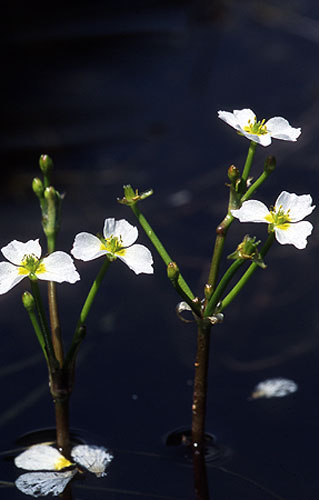
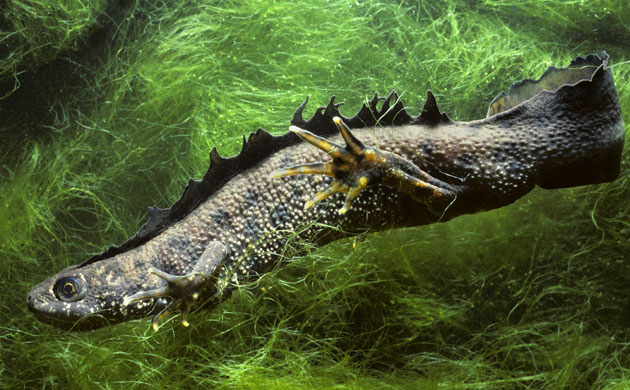
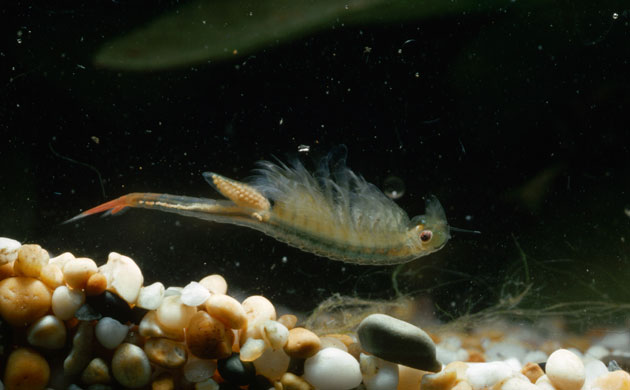
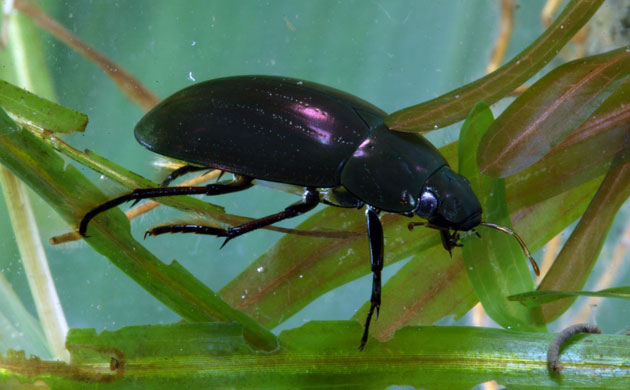
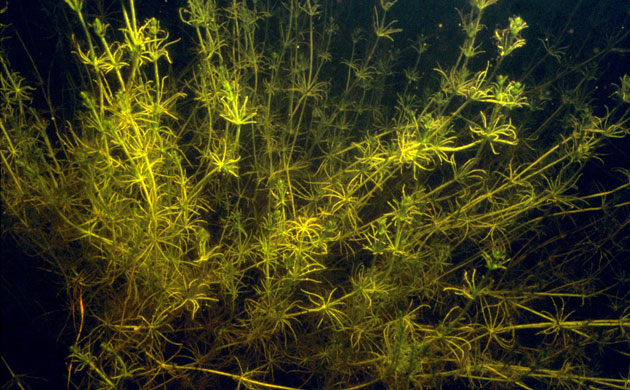
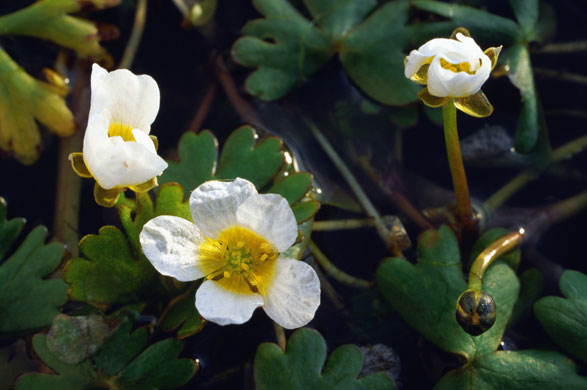
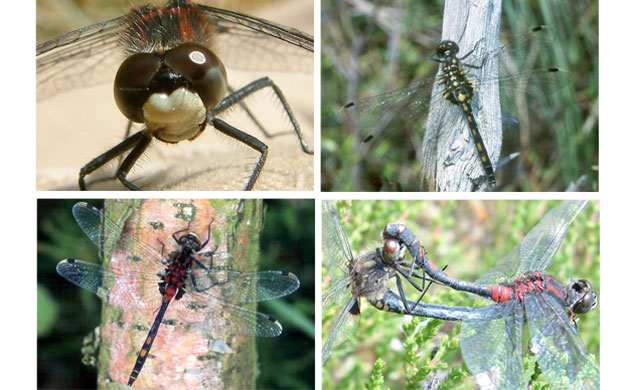
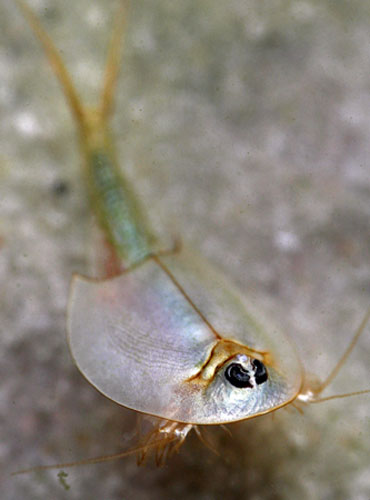
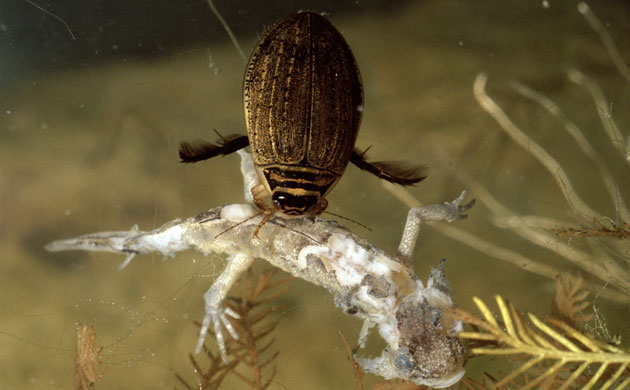
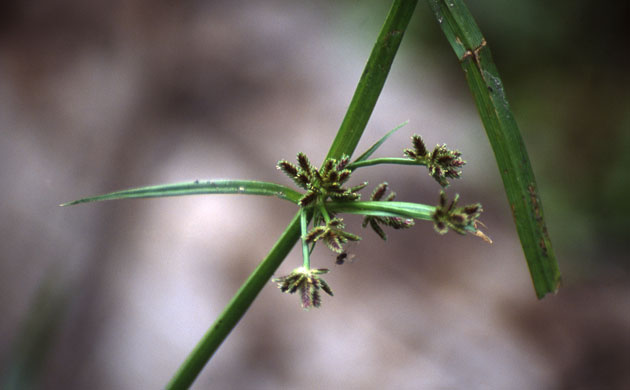
Starfruit, Damasonium alisma, grows in muddy ponds, with stems sticking up just above the water surface. Formerly found sporadically in southern-central counties of England, it was restricted to three native sites by 1990, two in Buckinghamshire and one in Surrey Photograph: Bob Gibbons/plantlife.org.ukThe great crested newt (Triturus cristatus) is one of the largest newts of Europe; some females reach 19cm in length. Its name refers to the male's saw-toothed crest during mating season. This species can be observed in ponds and marshes throughout the yearPhotograph: Gilles Martin /Sunset/Rex featuresA small female fairy shrimp at Brent Knoll, Somerset levels. They can most easily be spotted when ponds dry up in warm weather. They are more closely related to crayfish than most other water animalsPhotograph: Robin Williams/Ecoscene/CorbisThe lesser silver water beetle, Hydrochara caraboides, is a species of water scavenger beetle only found in the Somerset levels, Cheshire and north-east Wales. It is classified as an endangered speciesPhotograph: Andy HarmerBristly stonewort, Chara hispidaPhotograph: Joanna Thurman/www.plantlife.org.ukCommon water crowfoot, Ranunculus aqatalis, covers ponds in early summer. There are seven native species of water-crowfoot in BritainPhotograph: Steve Austin/CorbisWhite-faced darter dragonfly, Leucorrhinia dubia. Fossil records, according to the British Dragonfly Society, show that dragonflies predate birds by 100m yearsPhotograph: Tim Caroen, W J Furse/British Dragonfly SocietyA tadpole shrimp, triops, a prehistoric dinosaur shrimp, pictured in a breeding basin in Frankfurt, GermanyPhotograph: Frank Rumpenhorst/PAA spangled water beetle hunting a newtPhotograph: NPL/Rex FeaturesBrown galingale, Cyperus fuscusPhotograph: Simon Williams/plantlife.org.uk
Sign up to read this article
Read news from 100’s of titles, curated specifically for you.